
7 Essential Landscape Photography Composition Tips for Stunning Photos
Master landscape photography with proven composition techniques. Learn rule of thirds, leading lines, and depth of field tips to create breathtaking photos.
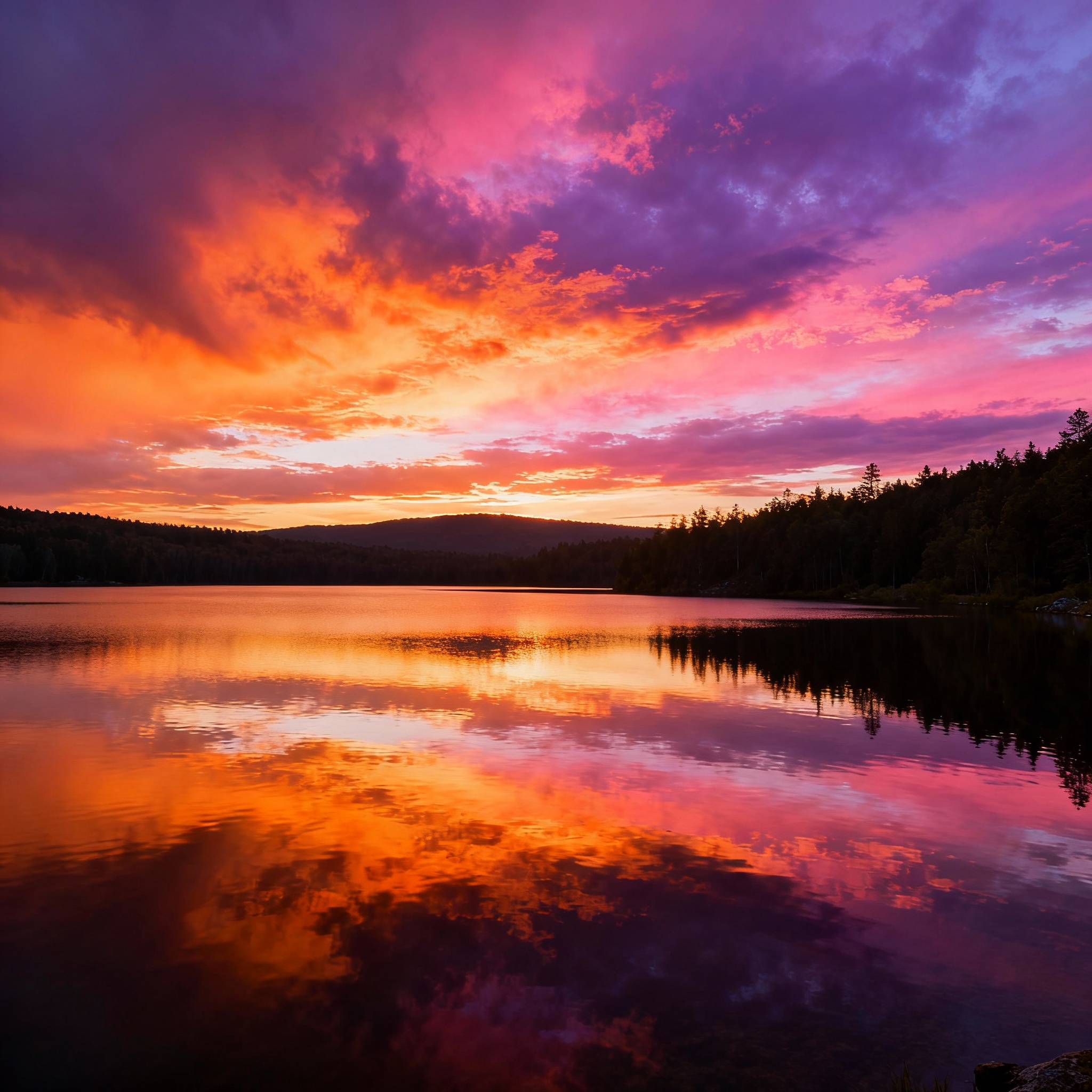
Landscape photography is one of the most rewarding genres of photography, allowing you to capture the natural world’s breathtaking beauty while developing your artistic vision. However, creating compelling landscape images requires more than just pointing your camera at a scenic vista. The key to transforming ordinary scenes into extraordinary photographs lies in mastering composition techniques that guide the viewer’s eye and create emotional impact.
Whether you’re a beginner picking up your first camera or an experienced photographer looking to refine your skills, understanding and applying fundamental composition principles will dramatically improve your landscape photography. This comprehensive guide will walk you through essential techniques, practical tips, and real-world applications to help you create stunning landscape images that stand out from the crowd.
Understanding the Foundation: Rule of Thirds
The rule of thirds is perhaps the most fundamental composition principle in photography, and it’s particularly powerful in landscape photography. Instead of centering your subject, imagine dividing your frame into nine equal sections with two horizontal and two vertical lines.
How to Apply the Rule of Thirds
Step 1: Enable Grid Lines Most cameras and smartphones have a grid overlay option. Turn this on to visualize the rule of thirds while composing your shots. This visual aid helps you place key elements along the grid lines or at their intersections.
Step 2: Position Your Horizon Place your horizon line along either the upper or lower third line, not in the center of the frame. Use the upper third when you want to emphasize the foreground, such as interesting rock formations or wildflowers. Choose the lower third when the sky is dramatic with clouds, storms, or stunning colors.
Step 3: Place Key Elements at Intersections Position prominent features like lone trees, rock formations, or mountain peaks at the intersection points where the grid lines meet. These “power points” naturally draw the viewer’s attention and create a more dynamic composition.
When to Break the Rule
While the rule of thirds is incredibly useful, don’t treat it as an unbreakable law. Perfectly symmetrical scenes, like reflections in still water, often work better with centered compositions. Trust your artistic instincts and use the rule as a starting point rather than a rigid constraint.
Leading Lines: Guiding the Viewer’s Eye
Leading lines are powerful compositional tools that draw viewers into your image and guide their gaze toward your main subject. In landscape photography, natural and man-made elements can serve as effective leading lines.
Types of Leading Lines in Landscapes
Rivers and Streams Winding waterways create natural S-curves that lead the eye through the frame. Position yourself so the water enters from a corner of the frame and flows toward your main subject or focal point.
Shorelines and Beaches The edge where water meets sand creates a strong diagonal line. Use wide-angle lenses to emphasize this line and create depth in your composition.
Rock Formations and Ridgelines Mountain ridges, cliff edges, and rock formations provide bold leading lines. Look for angles that create diagonal movement rather than horizontal lines that can make images feel static.
Man-made Elements Don’t overlook fences, paths, roads, and stone walls. These elements can add human context to natural scenes while providing strong compositional structure.
Practical Leading Line Techniques
Step 1: Scout Your Location Before shooting, walk around your location to identify potential leading lines. What might not be obvious from one angle could be perfect from another position.
Step 2: Choose Your Focal Length Wide-angle lenses (14-35mm) emphasize leading lines and create more dramatic perspective. However, don’t overlook telephoto lenses (70-200mm) which can compress distant elements and create subtle leading lines.
Step 3: Consider Your Viewpoint Getting low to the ground can make foreground elements more prominent and strengthen leading lines. Conversely, elevated positions can reveal leading lines that aren’t visible from ground level.
Creating Depth and Dimension
Two-dimensional photographs must create the illusion of three-dimensional depth to feel immersive and engaging. Several techniques can help you achieve this effect in your landscape images.
Foreground, Middle Ground, and Background
Layered Composition Strategy Divide your scene into three distinct zones: foreground (0-10 feet), middle ground (10 feet to several hundred yards), and background (distant elements). Each layer should contribute something meaningful to the overall composition.
Foreground Selection Your foreground is crucial for creating depth. Look for interesting rocks, driftwood, flowers, or textures that complement your main subject. The foreground should add visual interest without overwhelming the rest of the scene.
Step-by-Step Depth Creation:
- Survey the scene and identify elements at different distances
- Choose your aperture carefully (typically f/8 to f/11 for optimal sharpness across all layers)
- Focus at the hyperfocal distance to maximize depth of field
- Use a polarizing filter to reduce haze and increase contrast between layers
Atmospheric Perspective
Distant objects naturally appear lighter and less detailed due to atmospheric haze. You can enhance this effect using several techniques:
Embrace Morning and Evening Light Golden hour and blue hour naturally create atmospheric conditions that separate layers in your composition. Side lighting reveals texture and form while backlighting creates silhouettes and separation.
Use Weather to Your Advantage Light fog, mist, or low-hanging clouds create natural separation between landscape elements. These conditions often produce the most dramatic and ethereal landscape photographs.
Framing and Natural Elements
Using natural elements to frame your subject adds structure to your composition while creating a sense of depth and context.
Types of Natural Frames
Tree Branches and Foliage Overhanging branches can create elegant natural frames, especially during golden hour when they’re backlit. Be careful not to make the frame so dark that it becomes distracting.
Rock Arches and Caves These dramatic natural formations create powerful frames for distant landscapes. The contrast between the dark frame and bright background creates compelling visual tension.
Practical Framing Techniques:
Step 1: Identify Frame Elements Look for arches, branches, rock formations, or cave openings that can surround or partially surround your main subject.
Step 2: Balance Exposure Natural frames are often significantly darker than your main subject. Consider using graduated neutral density filters or exposure blending techniques to balance the exposure.
Step 3: Check Your Edges Ensure your natural frame doesn’t create awkward tangent lines or cut off important elements in confusing ways. Move your position slightly to adjust the relationship between frame and subject.
Camera Settings for Optimal Composition
While composition is primarily about vision and creativity, understanding technical settings helps you execute your creative vision effectively.
Essential Camera Settings
Aperture Selection
- f/8 to f/11: Sweet spot for most lenses, providing maximum sharpness across the frame
- f/5.6: Use when you need faster shutter speeds or want selective focus
- f/16: Only when you need maximum depth of field and accept some diffraction
Focus Techniques
- Single-point autofocus: Gives you precise control over focus placement
- Back-button focus: Separates focus from the shutter release for more control
- Manual focus: Essential for low-light conditions and precise focus placement
Metering Modes
- Matrix/Evaluative: Good general-purpose metering for evenly lit scenes
- Center-weighted: Useful when your main subject is centrally located
- Spot metering: Essential for high-contrast scenes or when you want to meter specific areas
Recommended Equipment
For serious landscape photography, investing in quality equipment can significantly improve your results. The Sony A7 IV offers excellent image quality and weather sealing perfect for outdoor photography.
Essential Filters
- Circular Polarizing Filter: Reduces reflections and enhances sky contrast
- Graduated Neutral Density: Balances exposure between bright sky and darker foreground
- Solid Neutral Density: Allows longer exposures for smooth water and cloud movement
Advanced Composition Techniques
Once you’ve mastered the fundamentals, these advanced techniques can elevate your landscape photography to the next level.
Color Theory and Harmony
Complementary Colors Look for scenes that feature colors opposite each other on the color wheel, such as blue skies with golden landscapes or purple lupines against green meadows.
Monochromatic Schemes Sometimes the most powerful images use subtle variations of a single color family. Misty mornings often provide beautiful monochromatic opportunities.
Scale and Perspective
Including Human Elements A small figure in a vast landscape can dramatically emphasize scale and create emotional connection. Position people at key points in your composition, not randomly in the frame.
Foreground Interest Strong foreground elements create a sense of being there and draw viewers into the scene. Look for interesting textures, patterns, or objects that complement your background.
Timing and Light
Golden Hour Magic The hour after sunrise and before sunset provides warm, directional light that enhances texture and creates long shadows. Plan your compositions to take advantage of light direction.
Blue Hour Opportunities The period just after sunset offers even illumination and rich blue skies that complement artificial lighting. This timing is perfect for cityscapes and coastal scenes.
Common Composition Mistakes to Avoid
Learning what not to do is often as important as learning proper techniques.
Technical Mistakes
Tilted Horizons Always ensure your horizon line is level unless you’re intentionally creating a dynamic diagonal composition. Use your camera’s built-in level or electronic horizon.
Cluttered Compositions Too many competing elements can weaken your image. Practice simplifying your compositions by removing or de-emphasizing distracting elements.
Poor Foreground Choices Empty, boring foregrounds waste valuable compositional space. If you can’t find interesting foreground elements, consider a different viewpoint or focal length.
Artistic Mistakes
Centering Everything While centered compositions can work, they often create static, unengaging images. Experiment with off-center placements and asymmetrical balance.
Ignoring the Background Pay attention to what’s behind your main subject. Busy or distracting backgrounds can ruin otherwise strong compositions.
Post-Processing and Composition
While this guide focuses on in-camera composition, understanding how post-processing can enhance your compositions is valuable.
Cropping Strategies
Golden Ratio Crop Similar to the rule of thirds but based on the 1.618:1 golden ratio. This creates slightly more dynamic proportions.
Square Crops Don’t overlook square formats for certain compositions, especially those with strong central subjects or symmetrical elements.
Enhancing Leading Lines
Dodging and Burning Selectively lightening and darkening areas can strengthen leading lines and improve the flow through your image.
Color Grading Subtle color adjustments can enhance the mood and strengthen compositional elements without looking artificial.
Conclusion and Final Recommendations
Mastering landscape photography composition is a journey that combines technical knowledge with artistic vision. The techniques covered in this guide provide a solid foundation, but remember that rules are meant to be understood and then creatively broken when the situation calls for it.
Start by practicing the fundamental principles like the rule of thirds and leading lines until they become second nature. Then gradually incorporate more advanced techniques like natural framing and color harmony. Most importantly, spend time in nature observing how light, weather, and natural elements interact to create compelling scenes.
For those ready to upgrade their equipment, the Sony A7 IV offers the image quality and weather resistance needed for serious landscape work. However, remember that great compositions are created by the photographer, not the camera.
The key to improving your landscape photography composition lies in consistent practice and developing your ability to see photographically. Each location offers multiple compositional opportunities – train yourself to see beyond the obvious and explore different angles, focal lengths, and timing. With patience and practice, you’ll develop an intuitive sense for composition that will transform your landscape photography from simple documentation to compelling art.
Related Tags
Looking for the Best Camera Deals?
Check out our latest buying guides and comparison articles to find the perfect camera for your needs.
Browse Buying Guides