
7 Macro Photography Techniques for Stunning Close-Up Shots
Master macro photography with expert techniques for sharp, stunning close-ups. Learn lighting, focus stacking, and composition tips to elevate your work.
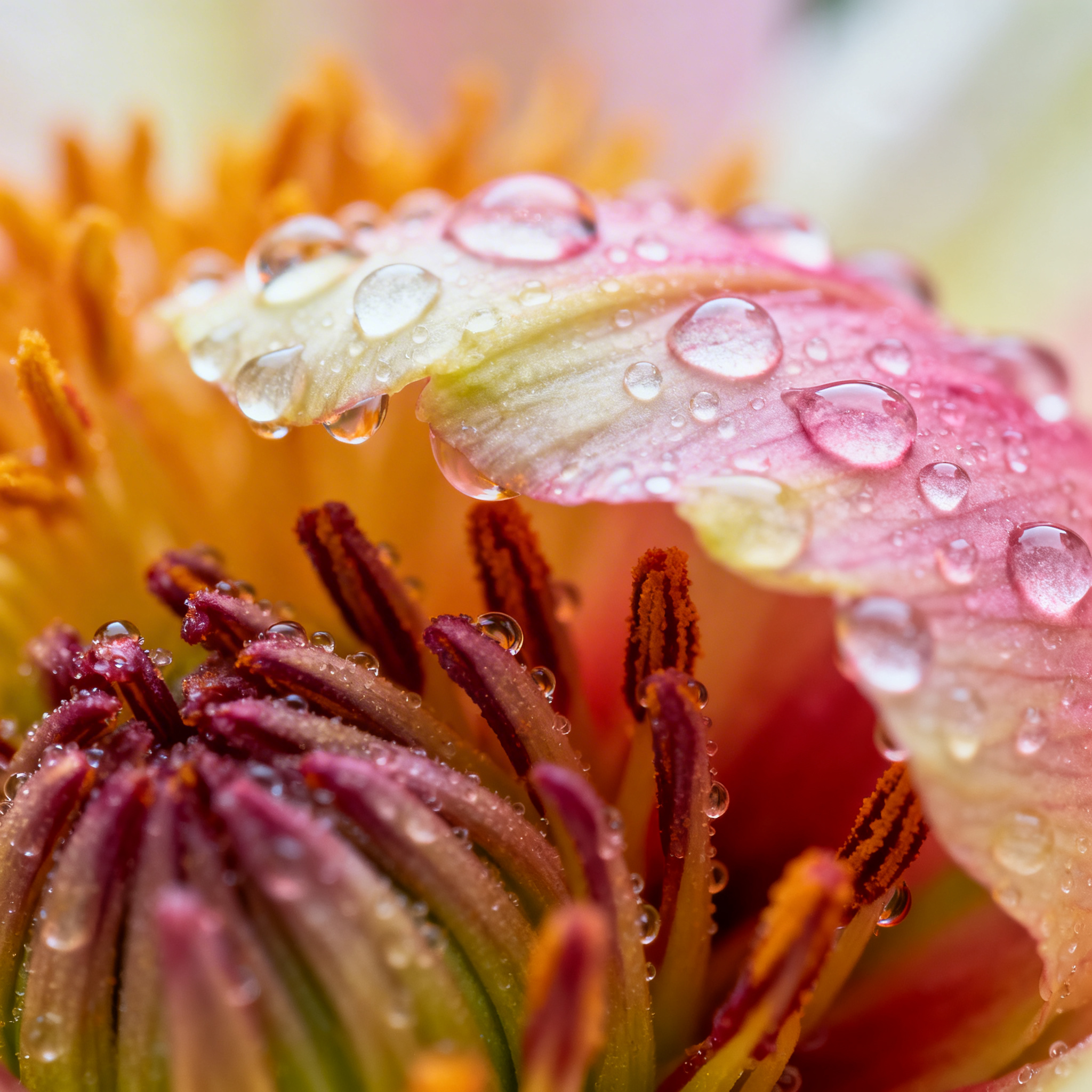
Macro photography opens up an entirely new world of visual possibilities, allowing you to capture intricate details that are invisible to the naked eye. From the delicate patterns on a butterfly’s wing to the crystalline structure of dewdrops, macro photography transforms the ordinary into the extraordinary. This comprehensive guide will walk you through everything you need to know to master macro photography and create stunning close-up images that captivate viewers.
Understanding Macro Photography
Macro photography is defined as capturing subjects at a 1:1 magnification ratio or greater, meaning the subject appears life-size or larger on your camera’s sensor. True macro lenses can reproduce subjects at this magnification, revealing details that would otherwise go unnoticed in our daily lives.
The key to successful macro photography lies in understanding that you’re working in a completely different realm than traditional photography. At macro magnifications, even the slightest camera movement becomes amplified, depth of field becomes razor-thin, and lighting takes on critical importance.
What Makes Macro Photography Unique
When shooting macro, you’re dealing with several unique challenges:
- Extremely shallow depth of field: At 1:1 magnification, your depth of field might be measured in millimeters
- Magnified camera shake: Any movement is amplified at close focusing distances
- Lighting difficulties: Getting light onto your subject becomes challenging when you’re inches away
- Subject movement: Even slight breezes can make static subjects like flowers sway dramatically in your frame
Essential Equipment for Macro Photography
Camera Bodies
While you can achieve macro results with any camera, certain features make the process significantly easier. Full-frame cameras like the Sony A7 IV offer excellent image quality and advanced focusing systems that excel in macro work.
| Camera Feature | Importance | Benefit |
|---|---|---|
| In-body stabilization | High | Reduces camera shake at slow shutter speeds |
| Focus peaking | High | Helps visualize sharp areas in manual focus |
| Articulating LCD | Medium | Easier composition at awkward angles |
| Weather sealing | Medium | Protection during outdoor macro sessions |
Macro Lenses
True macro lenses are specifically designed for close-up work and offer several advantages:
- 1:1 magnification capability: Achieve true macro reproduction ratios
- Optimized optical design: Sharp performance at close focusing distances
- Internal focusing: Lens length doesn’t change during focusing, maintaining working distance
Popular focal lengths include:
- 60mm macro: Compact and affordable, but requires getting very close to subjects
- 100-105mm macro: Excellent all-around choice with comfortable working distance
- 150-200mm macro: Ideal for skittish subjects like insects, allows greater working distance
Alternative Equipment Options
If a dedicated macro lens isn’t in your budget, consider these alternatives:
Extension Tubes: Hollow tubes that mount between your camera and lens, increasing magnification by moving the lens farther from the sensor. They’re affordable and work with any lens, though you’ll lose some light and potentially autofocus capability.
Close-up Filters: Screw-on filters that act like magnifying glasses for your lens. While convenient, they can reduce image quality, especially at the edges.
Reversing Rings: Allow you to mount a regular lens backward on your camera, often achieving high magnification ratios. This technique requires manual operation but can produce excellent results.
Camera Settings for Macro Photography
Aperture Settings
Aperture selection in macro photography requires balancing depth of field with sharpness:
f/8 to f/11: Generally the sweet spot for macro lenses, providing optimal sharpness while maintaining some workable depth of field.
f/16 and smaller: While these apertures increase depth of field, diffraction begins to reduce overall image sharpness. Use sparingly and only when you need maximum depth of field.
f/2.8 to f/5.6: These wider apertures create extremely shallow depth of field but can be effective for isolating specific details or creating artistic effects.
Focus Settings
Manual Focus: Often the most reliable approach in macro photography. Use your camera’s focus peaking and magnification features to achieve precise focus placement.
Single-Point Autofocus: If using autofocus, select single-point AF and position it precisely on your intended focus point. Continuous AF modes often struggle with macro subjects.
Focus Stacking: For subjects requiring extensive depth of field, take multiple images at different focus points and blend them in post-processing.
Shutter Speed Considerations
Macro photography typically requires faster shutter speeds due to magnified camera shake:
- Handheld: Use at least 1/focal length in mm, but often much faster
- With stabilization: You can often shoot 2-3 stops slower than without stabilization
- On tripod: Allows for longer exposures and more creative lighting options
ISO Settings
Modern cameras handle higher ISOs well, so don’t hesitate to increase ISO to achieve proper exposure:
- Base ISO (100-200): Use when possible for maximum image quality
- ISO 400-1600: Often necessary for handheld macro work
- ISO 3200+: Acceptable for many modern cameras when needed
Lighting Techniques for Macro Photography
Natural Light Approaches
Golden Hour: The soft, warm light during golden hour provides beautiful illumination for outdoor macro subjects. The low angle can create interesting rim lighting effects.
Overcast Conditions: Cloudy skies act as a giant softbox, providing even, diffused lighting that’s ideal for macro work. Colors appear saturated, and harsh shadows are eliminated.
Open Shade: Position subjects in areas that receive indirect light, such as under trees or building overhangs. This provides soft, even illumination without harsh directional shadows.
Artificial Lighting Solutions
Ring Flash: Mounts around your lens and provides even, shadowless lighting. While sometimes criticized for creating flat lighting, ring flashes are excellent for scientific documentation and can be modified with diffusers for more natural results.
Twin Flash Setup: Uses two small flashes positioned on either side of the lens, allowing for more directional lighting and better modeling of your subject’s form.
LED Panels: Continuous lighting allows you to see exactly how light falls on your subject. Modern LED panels are compact, battery-powered, and often adjustable in color temperature.
DIY Lighting Modifiers
Create professional-looking lighting setups with common materials:
- Diffusion: Use white fabric, parchment paper, or dedicated diffusion materials to soften harsh light
- Reflectors: White foam core, mirrors, or metallic emergency blankets can fill in shadows
- Background control: Use colored paper or fabric to create clean, controlled backgrounds
Composition Techniques for Macro Images
Rule of Thirds in Macro
Even at extreme magnifications, compositional rules remain important. Position key elements along rule-of-thirds lines to create more dynamic compositions.
Leading Lines and Patterns
Look for natural lines and patterns within your macro subjects:
- Leaf veins that draw the eye through the frame
- Spiral patterns in shells or flowers
- Geometric patterns in insect wings or spider webs
Background Management
In macro photography, backgrounds can make or break an image:
Shallow Depth of Field: Use wide apertures to blur distracting backgrounds into smooth, creamy bokeh.
Background Distance: Increase the distance between your subject and background elements to enhance blur.
Clean Backgrounds: Position yourself to use simple, uncluttered backgrounds that don’t compete with your subject.
Subject-Specific Techniques
Flower Photography
Timing: Photograph flowers in early morning when they’re fresh and often adorned with dew drops.
Angles: Don’t just shoot from above. Try getting down to flower level or shooting up from below for dramatic perspectives.
Wind Management: Use a flash to freeze motion, or create wind blocks using reflectors or your body.
Insect Photography
Behavior: Learn your subject’s behavior patterns. Many insects are less active in cooler morning temperatures, making them easier to approach.
Focus Placement: For insects, always ensure the eyes are in sharp focus, even if other parts of the body fall out of the depth of field.
Approach Technique: Move slowly and avoid sudden movements. Many insects will tolerate a close approach if you’re patient and deliberate.
Water Droplet Photography
Creation: Use a spray bottle to create water droplets on leaves and flowers. For more control, use an eyedropper to place droplets precisely.
Background: Position colorful flowers or objects behind water droplets to create interesting reflections and refractions.
Timing: Work quickly, as water droplets evaporate rapidly, especially in warm conditions.
Advanced Techniques
Focus Stacking
When single-image depth of field isn’t sufficient, focus stacking allows you to combine multiple images taken at different focus points:
- Setup: Mount your camera on a sturdy tripod and compose your shot
- Camera Settings: Use manual exposure mode and manual focus
- Capture Sequence: Take multiple images, adjusting focus incrementally between shots
- Post-Processing: Use software like Photoshop, Helicon Focus, or Zerene Stacker to blend the images
High-Key and Low-Key Lighting
High-Key: Overexpose your background to pure white while maintaining proper exposure on your subject. This technique works excellently for delicate subjects like flowers.
Low-Key: Use dark backgrounds and dramatic lighting to create moody, artistic macro images.
Motion in Macro
While macro photography often focuses on static subjects, incorporating motion can create dynamic images:
- Panning: Follow moving insects with your camera for sharp subjects against blurred backgrounds
- Flash freeze: Use flash to capture insects in flight or water droplets in motion
- Intentional blur: Use longer exposures to create artistic motion blur effects
Post-Processing Tips for Macro Images
Sharpening Techniques
Macro images often benefit from careful sharpening:
Unsharp Mask: Traditional sharpening method that’s effective for macro work High Pass Sharpening: Provides more control over sharpening intensity and can help avoid artifacts Output Sharpening: Always apply final sharpening based on your intended output size and medium
Color and Contrast Enhancement
Vibrance vs. Saturation: Use vibrance adjustments to enhance colors without oversaturating skin tones in insect photography Local Adjustments: Use masking tools to selectively adjust different areas of your macro images Background Cleanup: Remove distracting elements from backgrounds using healing and cloning tools
Troubleshooting Common Problems
Blurry Images
Cause: Camera shake, subject movement, or missed focus Solution: Use faster shutter speeds, flash, or better camera support
Harsh Shadows
Cause: Direct, undiffused lighting Solution: Use diffusers, reflectors, or move to open shade
Distracting Backgrounds
Cause: Cluttered backgrounds or insufficient background separation Solution: Change shooting angle, use wider apertures, or increase subject-to-background distance
Lack of Sharp Detail
Cause: Diffraction from small apertures or camera shake Solution: Use optimal aperture settings (f/8-f/11) and ensure stable camera support
Building Your Macro Photography Skills
Practice Exercises
- Indoor Still Life: Start with controllable indoor subjects like flowers in vases
- Garden Exploration: Spend time in gardens looking for interesting macro subjects
- Seasonal Projects: Document how the same subjects change throughout seasons
- Technical Challenges: Practice focus stacking, lighting techniques, and different magnification ratios
Developing Your Eye
Study the work of renowned macro photographers and analyze what makes their images compelling. Look for:
- Unique perspectives and angles
- Creative use of lighting
- Strong compositional elements
- Technical excellence
Conclusion and Recommendations
Macro photography offers endless opportunities for creative expression and technical growth. The key to success lies in understanding the unique challenges of close-up photography and developing the technical skills to overcome them.
Start with basic equipment and master the fundamental techniques before investing in specialized gear. A standard camera with an affordable macro lens or extension tubes can produce excellent results when used skillfully. As you develop your skills and identify your specific interests within macro photography, you can then invest in more specialized equipment.
For those ready to make a serious commitment to macro photography, the Sony A7 IV provides an excellent foundation with its advanced autofocus system, in-body stabilization, and exceptional image quality. Combined with a dedicated macro lens, this setup will handle virtually any macro photography challenge you encounter.
Remember that macro photography is as much about patience and observation as it is about technical skill. Take time to really observe your subjects, understand their behavior if they’re living creatures, and experiment with different approaches to lighting and composition. The microscopic world around us is full of incredible beauty waiting to be discovered through your lens.
The most important advice is to get out there and start shooting. Every macro photographer’s journey is different, and you’ll discover your own preferred subjects and techniques through hands-on experience. Whether you’re drawn to the intricate patterns of insects, the delicate beauty of flowers, or the abstract possibilities of extreme close-ups, macro photography will change how you see and appreciate the world around you.
Related Tags
Looking for the Best Camera Deals?
Check out our latest buying guides and comparison articles to find the perfect camera for your needs.
Browse Buying Guides