
AI in Photography: How It's Revolutionizing the Industry
Discover how artificial intelligence is transforming photography with smart editing, automated features, and game-changing tools that are reshaping the industry.
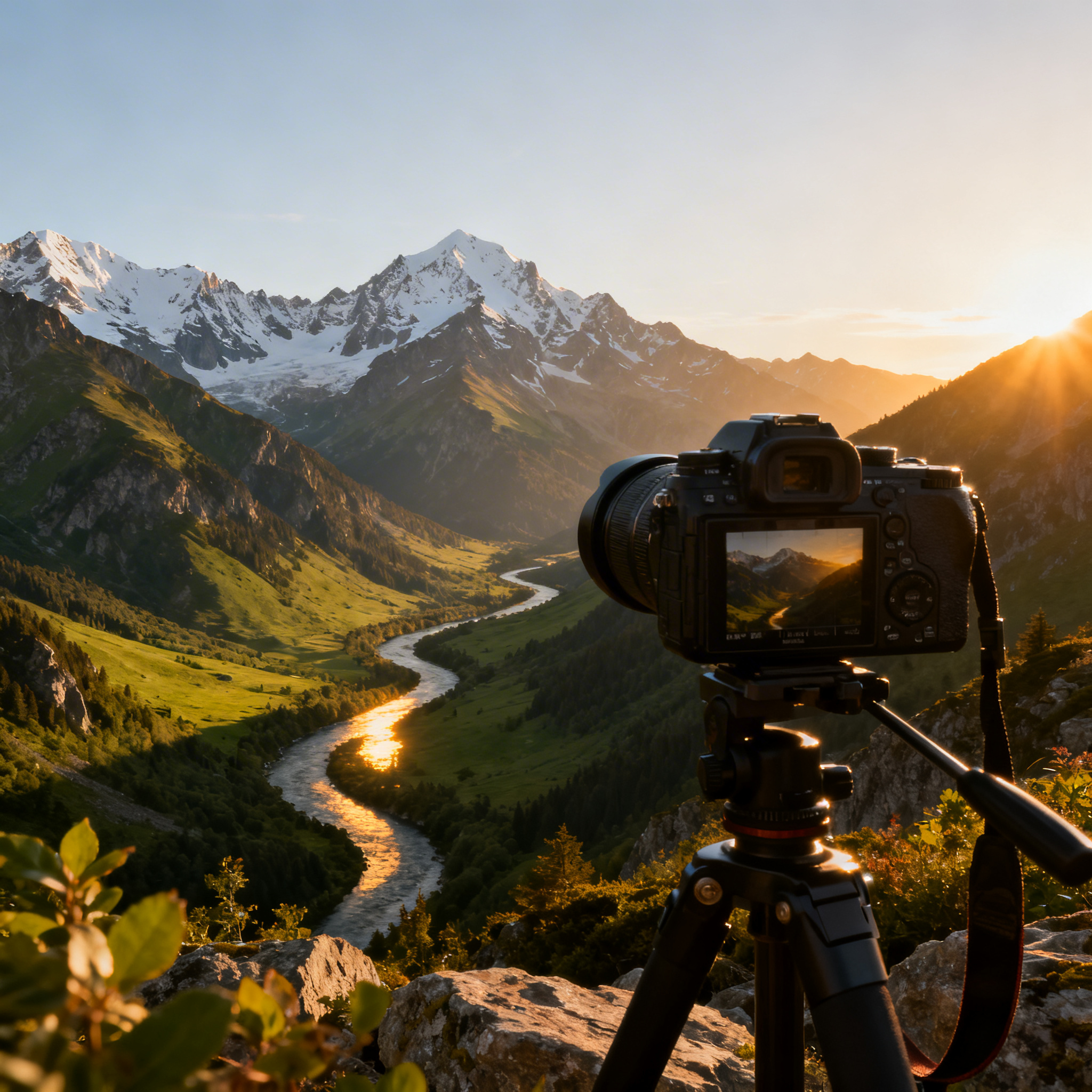
The photography industry is experiencing its most significant transformation since the transition from film to digital. Artificial intelligence has emerged as a game-changing force, revolutionizing how we capture, edit, and share images. From smartphone cameras that can identify subjects in real-time to professional editing software that can enhance photos with unprecedented precision, AI is reshaping every aspect of photography.
Recent announcements from major camera manufacturers and software companies have accelerated this transformation, making AI-powered photography tools more accessible than ever before. As we examine the current landscape and future implications, it’s clear that photographers at every level must adapt to this new reality or risk being left behind.
The Current State of AI in Photography
Hardware Integration
Modern cameras and smartphones now incorporate AI processors dedicated to image processing. These chips work in real-time to optimize settings, recognize subjects, and enhance image quality before the photo is even captured. The Sony A7 IV exemplifies this trend with its advanced AI-driven autofocus system that can identify and track human eyes, animals, and even vehicles with remarkable accuracy.
Camera manufacturers are embedding machine learning algorithms directly into their hardware, enabling features like:
- Intelligent scene recognition that automatically adjusts settings based on the shooting environment
- Real-time subject tracking that maintains focus on moving subjects with precision
- Automatic exposure optimization that balances highlights and shadows instantaneously
- Noise reduction processing that occurs during image capture rather than in post-production
Software Revolution
The software side of photography has seen even more dramatic changes. Adobe’s recent integration of AI-powered features in Photoshop and Lightroom has transformed photo editing from a time-intensive process to one where complex edits can be completed in seconds. Features like Content-Aware Fill, Sky Replacement, and Neural Filters represent just the beginning of what’s possible.
Newer companies like Luminar AI and Topaz Labs have built their entire product ecosystems around artificial intelligence, offering tools that can:
- Enhance portraits by smoothing skin and brightening eyes automatically
- Replace skies with photorealistic alternatives
- Remove unwanted objects seamlessly
- Upscale images while maintaining quality
- Restore old or damaged photographs
Revolutionary AI Features Transforming Photography
Computational Photography
Computational photography represents the merger of traditional optics with advanced algorithms. This technology allows cameras to capture multiple images simultaneously and combine them using AI to create a single, optimized photo. Google’s Pixel phones pioneered this approach with features like Night Sight, which can capture detailed images in near-darkness without a flash.
The implications extend beyond smartphone photography. Professional cameras are now incorporating similar technologies, enabling photographers to achieve results that were previously impossible or required extensive post-processing.
Real-Time Enhancement
AI now enables real-time photo enhancement that occurs as images are being captured. This means photographers can see the final result immediately, rather than discovering issues later during editing. Advanced algorithms can:
- Automatically correct white balance based on scene analysis
- Apply optimal sharpening based on subject matter
- Reduce noise while preserving detail
- Enhance dynamic range through intelligent HDR processing
Intelligent Composition Assistance
Some of the newest AI tools provide composition guidance, analyzing scenes and suggesting optimal framing, timing, and settings. These systems learn from millions of highly-rated photographs to understand what makes an image compelling.
Impact on Professional Photography
Efficiency and Productivity Gains
Professional photographers are experiencing significant productivity improvements through AI integration. Tasks that once required hours of meticulous editing can now be completed in minutes. This efficiency gain allows photographers to focus more on creative vision and client interaction rather than technical processing.
Wedding photographers, for instance, can now process hundreds of images from a single event using AI-powered batch editing tools that intelligently adjust each photo while maintaining consistency across the entire collection.
Evolving Skill Requirements
The rise of AI in photography is changing the skills that photographers need to succeed. While technical camera operation remains important, understanding how to work with AI tools effectively is becoming equally crucial. Photographers must learn:
- How to train AI systems for their specific style preferences
- Which tasks to delegate to AI and which require human judgment
- How to maintain creative control while leveraging AI efficiency
- The limitations and potential pitfalls of AI-generated content
Market Differentiation
As AI tools become more accessible, the market is becoming increasingly competitive. Photographers who can effectively combine AI efficiency with unique creative vision are positioning themselves for success, while those who resist these changes may find themselves at a disadvantage.
Consumer Photography Revolution
Smartphone Photography Enhancement
The most visible impact of AI in photography has been in smartphone cameras. Every major smartphone manufacturer now incorporates AI features that automatically optimize photos for social media sharing. These improvements have democratized photography, allowing anyone to capture professional-looking images with minimal technical knowledge.
Features like portrait mode, which uses AI to create background blur effects that mimic expensive camera lenses, have become standard across all price ranges of smartphones. This accessibility has led to an explosion in visual content creation and sharing.
Automated Organization and Tagging
AI-powered photo management systems can automatically organize vast photo libraries by recognizing faces, locations, objects, and events. Services like Google Photos and Apple Photos use machine learning to create searchable databases of personal images, making it easy to find specific photos among thousands.
This capability extends to professional workflows, where AI can automatically tag and categorize commercial photo shoots, saving photographers and their teams significant time in asset management.
Creative Applications and Artistic Possibilities
Style Transfer and Artistic Effects
AI has opened new creative possibilities through style transfer technology, which can apply the characteristics of famous artworks or photographic styles to new images. This technology allows photographers to experiment with different artistic approaches without mastering complex manual techniques.
Neural style transfer algorithms can transform photographs to mimic the brushwork of Van Gogh, the lighting of Rembrandt, or the composition style of renowned photographers. While purists may debate the artistic merit of AI-generated effects, these tools are undeniably expanding creative possibilities.
Generative AI and Image Creation
The emergence of text-to-image AI systems like DALL-E, Midjourney, and Stable Diffusion has introduced entirely new categories of image creation. While these tools generate rather than capture images, they’re increasingly being integrated into photography workflows for concept visualization, background generation, and creative inspiration.
Professional photographers are beginning to use generative AI for:
- Creating custom backgrounds for portrait work
- Generating concept images for client presentations
- Developing mood boards and creative direction
- Producing stock imagery for commercial use
Technical Challenges and Limitations
Processing Power Requirements
AI-powered photography features require significant computational resources. Professional photographers working with AI tools need powerful computers with dedicated graphics processing units (GPUs) to handle complex algorithms efficiently. This hardware requirement represents a significant investment for many professionals.
Cloud-based processing offers an alternative, but it introduces dependencies on internet connectivity and raises concerns about data privacy and security.
Quality Control and Consistency
While AI can produce impressive results, maintaining consistent quality across different types of images and shooting conditions remains challenging. AI systems can sometimes make incorrect assumptions about creative intent or fail to recognize unusual scenarios, requiring human oversight and intervention.
Photographers must develop skills in recognizing when AI-generated results need manual correction and understanding the limitations of automated systems.
Ethical Considerations
The power of AI to manipulate images raises important ethical questions about authenticity and truth in photography. Features that can seamlessly remove objects, change facial expressions, or alter reality create challenges for photojournalism and documentary photography.
Professional photography organizations are developing new guidelines and standards for AI use, particularly in contexts where image authenticity is crucial.
Future Predictions and Emerging Trends
Integration with Augmented Reality
The next frontier for AI in photography involves integration with augmented reality (AR) systems. Future cameras may provide real-time overlays showing optimal composition, lighting suggestions, or even historical information about photographed subjects.
This technology could transform photography education, allowing beginners to learn advanced techniques through interactive guidance systems that respond to their specific shooting conditions.
Personalized AI Assistants
Advanced AI systems are being developed that can learn individual photographer’s styles and preferences, serving as personalized creative assistants. These systems could suggest shooting locations, optimal timing, equipment recommendations, and creative approaches based on past work and stated goals.
Advanced Restoration and Enhancement
AI-powered restoration tools are becoming increasingly sophisticated, with the potential to repair severely damaged historical photographs and enhance image quality beyond what was possible during original capture. This capability has significant implications for historical preservation and archival work.
Practical Implementation Tips
Getting Started with AI Photography Tools
For photographers looking to integrate AI into their workflows, starting with accessible tools and gradually expanding capabilities is recommended:
- Begin with editing software that includes AI features like Adobe Lightroom or Luminar AI
- Experiment with smartphone apps that offer AI enhancement features
- Invest in modern camera equipment like the Sony A7 IV that includes built-in AI capabilities
- Take online courses focused on AI photography techniques
- Join communities of photographers sharing AI tips and techniques
Balancing AI Assistance with Creative Vision
Successful integration of AI requires maintaining creative control while leveraging technological capabilities:
- Use AI for time-consuming technical tasks while preserving creative decision-making
- Develop personal presets and training data that reflect your artistic style
- Regularly review and refine AI-generated results to ensure they align with your vision
- Stay informed about new AI capabilities and their appropriate applications
Building Client Trust and Transparency
Professional photographers must navigate client expectations and concerns about AI use:
- Be transparent about which AI tools are used in your workflow
- Clearly communicate the value AI brings to your services
- Maintain high standards for final image quality regardless of the tools used
- Educate clients about how AI enhances rather than replaces professional expertise
Industry Response and Adaptation
Camera Manufacturer Strategies
Major camera manufacturers are investing heavily in AI research and development. Canon, Nikon, Sony, and others are racing to incorporate more advanced AI features into their cameras, recognizing that computational photography is becoming as important as traditional optical quality.
These companies are also developing ecosystems of AI-powered software and services to complement their hardware offerings, creating integrated workflows that span from capture to final output.
Professional Photography Organizations
Industry organizations are adapting their standards and educational programs to address AI integration. New certification programs are being developed to help photographers demonstrate competency with AI tools, while ethical guidelines are being established for appropriate AI use in different photography contexts.
Educational Institution Response
Photography schools and universities are rapidly updating their curricula to include AI-related topics. Students are now learning not just traditional photography techniques but also how to work effectively with AI tools and understand their implications for the industry.
Global Market Impact
Economic Implications
The AI photography revolution is creating new market opportunities while disrupting existing business models. Stock photography, photo editing services, and even some traditional photography specialties are being transformed by AI capabilities.
New service categories are emerging, including AI model training for photographers, computational photography consulting, and specialized AI workflow development.
Accessibility and Democratization
AI is making advanced photography techniques accessible to broader audiences. Features that once required expensive equipment and years of training can now be achieved through software, democratizing creative expression and lowering barriers to entry in professional photography.
This democratization is creating both opportunities and challenges, as the increased accessibility leads to more competition while also expanding the overall market for photography services.
Conclusion and Recommendations
The integration of artificial intelligence into photography represents a fundamental shift that extends far beyond simple technological advancement. We are witnessing the emergence of a new paradigm where computational power enhances human creativity in unprecedented ways.
For photographers at every level, the message is clear: AI is not replacing human creativity but amplifying it. The most successful photographers will be those who embrace these tools while maintaining their unique artistic vision and continuing to develop their creative skills.
Key recommendations for navigating this transformation:
- Invest in learning about AI photography tools and their capabilities
- Upgrade equipment strategically to cameras like the Sony A7 IV that offer advanced AI features
- Develop hybrid workflows that combine AI efficiency with human creativity
- Stay informed about ethical considerations and industry standards
- Experiment continuously with new AI tools and techniques
The future of photography is being written now, and those who actively participate in shaping it will be best positioned for success. While the technology will continue to evolve rapidly, the fundamental importance of creative vision, storytelling, and human connection in photography remains unchanged. AI is simply providing us with more powerful tools to express these timeless elements of great photography.
As we move forward, the photographers who thrive will be those who view AI as a creative partner rather than a threat, using these powerful new capabilities to push the boundaries of what’s possible while staying true to their artistic vision. The revolution is here, and it’s transforming everything about how we create, edit, and share photographic images.
Related Tags
Looking for the Best Camera Deals?
Check out our latest buying guides and comparison articles to find the perfect camera for your needs.
Browse Buying Guides