
Best Cameras Under $2000 in 2026: Top Picks & Reviews
Discover the best cameras under $2000 in 2026. Our expert buying guide reviews top DSLR and mirrorless cameras for photography enthusiasts and pros.
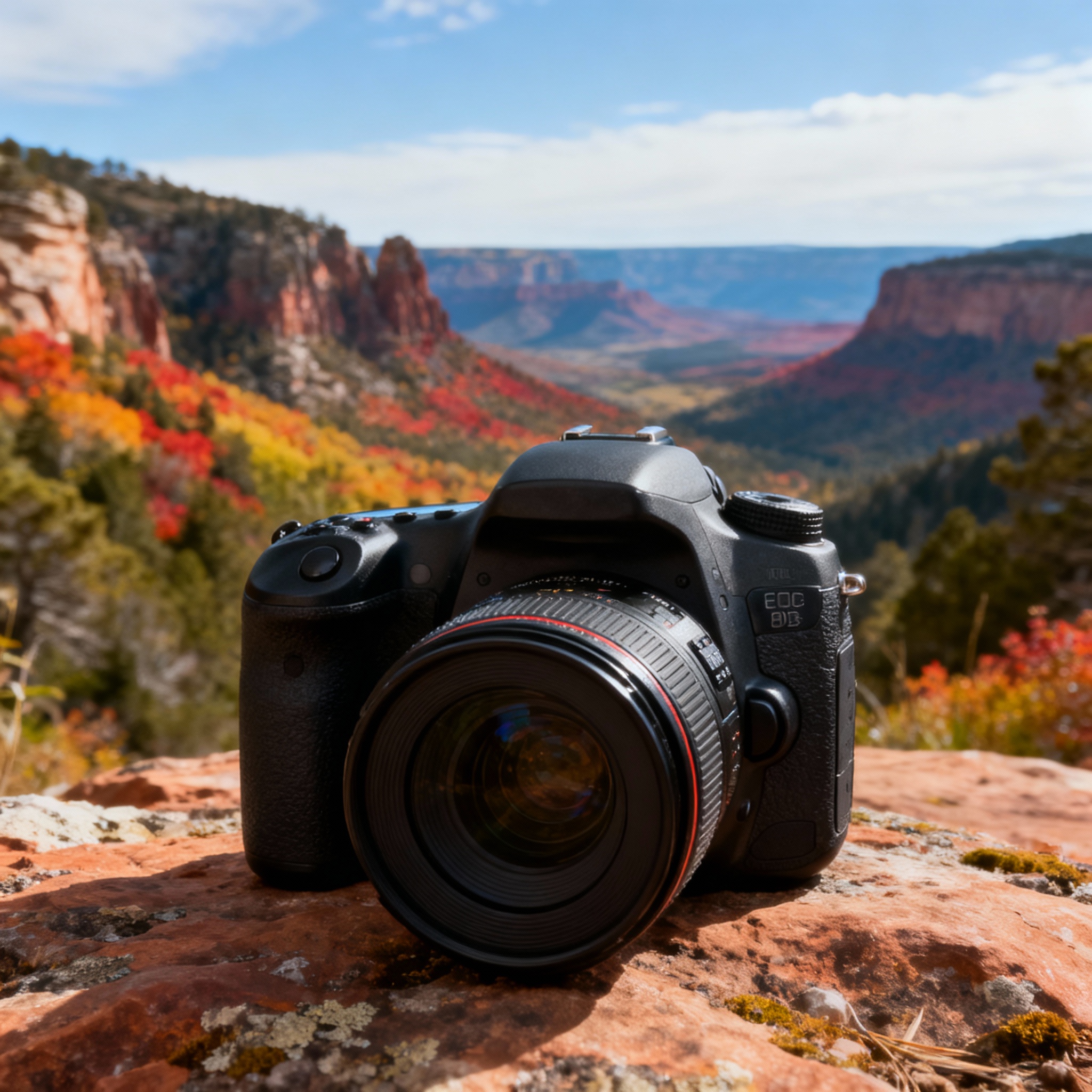
Whether you’re stepping up from smartphone photography or looking to upgrade your current camera setup, finding the perfect camera under $2000 can feel overwhelming with so many excellent options available in 2026. This comprehensive guide will help you navigate the current market and find the ideal camera that matches your photography style, skill level, and budget.
The sub-$2000 camera market has become incredibly competitive, with manufacturers packing professional-grade features into more affordable bodies. From mirrorless marvels to DSLR powerhouses, today’s cameras offer exceptional image quality, advanced autofocus systems, and video capabilities that would have cost twice as much just a few years ago.
What to Look for When Buying a Camera Under $2000
Sensor Size and Type
The sensor is the heart of any camera, and understanding the different types will help you make an informed decision. Most cameras in this price range feature either APS-C or full-frame sensors, with a few Micro Four Thirds options.
Full-frame sensors offer the largest surface area, providing better low-light performance, shallower depth of field, and generally superior image quality. However, they typically come with larger, heavier lenses and camera bodies.
APS-C sensors strike an excellent balance between image quality and portability. They’re smaller than full-frame but still deliver professional results, especially in good lighting conditions. The crop factor (usually 1.5x or 1.6x) effectively increases your lens’s focal length, which can be advantageous for wildlife and sports photography.
Micro Four Thirds sensors are the smallest in this category but compensate with excellent stabilization systems and compact lens options, making them ideal for travel photography.
Autofocus Performance
Modern autofocus systems have evolved dramatically, with many cameras now featuring hundreds of focus points covering nearly the entire frame. Look for cameras with:
- Eye detection autofocus for portraits
- Animal eye detection for wildlife photography
- Fast continuous autofocus for video recording
- Subject tracking that can follow moving subjects across the frame
Video Capabilities
Even if you’re primarily a still photographer, having solid video features adds versatility to your camera. Most cameras in this price range now offer 4K recording, but pay attention to:
- Frame rates: Higher frame rates (60fps or 120fps) enable smooth slow-motion footage
- Internal recording: Cameras that can record 4K internally without external recorders
- Image stabilization: Essential for handheld video work
- Audio inputs: External microphone capabilities for better sound quality
Build Quality and Weather Sealing
Consider how and where you’ll be using your camera. If you plan to shoot outdoors frequently, weather sealing becomes crucial. Look for cameras with dust and moisture resistance, especially around button seams and the lens mount.
Top Camera Picks Under $2000 in 2026
Best Overall: Sony α7 IV
The Sony α7 IV continues to dominate the full-frame mirrorless market with its exceptional balance of features, performance, and value. This camera excels in virtually every category without any major weaknesses.
Key Features:
- 33MP full-frame sensor
- 759 phase-detection autofocus points
- 4K 60p video recording
- 5-axis in-body stabilization
- Dual card slots (CFexpress Type A/SD)
The α7 IV’s real-time tracking autofocus is phenomenal, accurately following subjects even in challenging conditions. The image quality is outstanding across all ISO ranges, with usable results up to ISO 12,800 and acceptable performance even higher.
For video creators, the α7 IV offers professional features like S-Log3 recording, full-width 4K, and excellent rolling shutter performance. The flip-out LCD screen makes it perfect for content creators who need to monitor themselves while recording.
Best Value Full-Frame: Canon EOS R6 Mark II
Canon’s R6 Mark II offers incredible value in the full-frame space, delivering professional performance at a more accessible price point. While it has fewer megapixels than some competitors, the 24MP sensor produces excellent image quality with outstanding low-light performance.
Key Features:
- 24.2MP full-frame sensor
- Dual Pixel CMOS AF II with 1,053 autofocus points
- 4K 60p video (with crop) and 4K 30p (full-width)
- 5-axis in-body stabilization
- 12fps continuous shooting
The R6 Mark II shines in challenging lighting conditions, producing clean images at high ISO settings. The autofocus system is incredibly reliable, with excellent subject detection for people, animals, and vehicles.
Best APS-C Option: Fujifilm X-T5
The Fujifilm X-T5 represents the pinnacle of APS-C camera technology, combining retro aesthetics with cutting-edge performance. Fujifilm’s film simulation modes give images a distinctive look straight out of camera.
Key Features:
- 40.2MP APS-C X-Trans CMOS 5 HR sensor
- 425 phase-detection autofocus points
- 4K 60p video recording
- 5-axis in-body stabilization
- Classic analog controls
The X-T5’s image quality rivals many full-frame cameras, with exceptional detail and Fujifilm’s renowned color science. The physical dials and controls appeal to photographers who prefer tactile operation over menu diving.
Best for Sports and Wildlife: Canon EOS R7
The Canon EOS R7 is purpose-built for action photography, featuring the fastest burst rates and most sophisticated autofocus tracking in the APS-C category.
Key Features:
- 32.5MP APS-C sensor
- 651 autofocus points with subject detection
- Up to 15fps continuous shooting (mechanical shutter)
- 4K 60p video recording
- Dual card slots
The 1.6x crop factor works to your advantage with telephoto lenses, effectively giving you more reach for wildlife and sports photography. The deep buffer allows for extended burst shooting, crucial for capturing the perfect moment.
Budget-Friendly Pick: Sony α6700
The Sony α6700 brings many flagship features to a more affordable APS-C body, making it an excellent entry point into Sony’s ecosystem.
Key Features:
- 26MP APS-C sensor
- 759 phase-detection autofocus points
- 4K 60p video recording
- 5-axis in-body stabilization
- AI-based subject recognition
Despite its lower price point, the α6700 doesn’t compromise on autofocus performance or video capabilities, making it ideal for content creators and enthusiast photographers.
Lens Ecosystem Considerations
When choosing a camera system, consider the available lens selection and future upgrade path. Each manufacturer offers different strengths:
Sony E-mount has the largest selection of native lenses, from budget-friendly options to high-end G Master glass. Third-party support from Sigma, Tamron, and others is excellent.
Canon RF mount is rapidly expanding, with Canon prioritizing high-quality lenses. The selection covers most focal lengths, though some budget options are still limited.
Fujifilm X-mount offers exceptional lens quality across the entire range, with many compact, high-performance options that maintain the system’s portability advantage.
Real-World Usage Tips
Battery Life Management
Modern mirrorless cameras are power-hungry, especially when using features like continuous autofocus and high-resolution electronic viewfinders. Always carry spare batteries, and consider investing in a battery grip for extended shooting sessions.
Memory Card Selection
Don’t overlook memory card performance. For 4K video recording and high-speed burst photography, invest in fast cards (UHS-II or CFexpress) to avoid bottlenecks. Always use reputable brands to avoid data corruption.
Lens Selection Strategy
Start with a versatile kit lens or standard zoom, then add specialty lenses based on your actual shooting patterns. A 50mm equivalent prime lens (35mm on APS-C, 50mm on full-frame) is often the most useful second lens.
Learning Your Camera
Modern cameras have extensive customization options. Spend time setting up custom function buttons and menu shortcuts for your most-used settings. This investment in setup time will pay dividends in shooting efficiency.
Comparison Table: Top Picks Specifications
| Camera | Sensor | Resolution | AF Points | Video | IBIS | Price Range |
|---|---|---|---|---|---|---|
| Sony α7 IV | Full-frame | 33MP | 759 | 4K 60p | 5-axis | $1,800-2,000 |
| Canon R6 II | Full-frame | 24MP | 1,053 | 4K 60p | 5-axis | $1,600-1,800 |
| Fujifilm X-T5 | APS-C | 40MP | 425 | 4K 60p | 5-axis | $1,400-1,600 |
| Canon R7 | APS-C | 32MP | 651 | 4K 60p | No | $1,200-1,400 |
| Sony α6700 | APS-C | 26MP | 759 | 4K 60p | 5-axis | $1,000-1,200 |
Future-Proofing Your Purchase
Technology evolves rapidly, but these cameras offer features that will remain relevant for years to come. Focus on cameras with:
- Firmware update support: Manufacturers regularly add new features through updates
- Strong lens ecosystem: Ensures continued lens development and support
- Standard connectivity: USB-C charging, Wi-Fi, and Bluetooth for seamless integration
- Adequate resolution: 20MP+ sensors provide enough detail for most current and future needs
Common Purchasing Mistakes to Avoid
Megapixel Obsession
More megapixels don’t automatically mean better images. Consider your actual output needs – unless you’re printing very large or doing significant cropping, 24MP is often sufficient.
Ignoring Ergonomics
Spend time holding different cameras if possible. A camera that feels uncomfortable in your hands will discourage use, regardless of its technical specifications.
Underestimating Total System Cost
Factor in essential accessories like extra batteries, memory cards, a good camera bag, and at least one additional lens when budgeting for your camera system.
Conclusion and Recommendations
The camera market under $2000 in 2026 offers exceptional options for every type of photographer. For most users, the Sony α7 IV represents the best overall choice, combining full-frame image quality with comprehensive features and excellent performance across all shooting scenarios.
Budget-conscious photographers should consider the Canon EOS R6 Mark II, which delivers 90% of the performance at a lower price point. The slight reduction in resolution is offset by excellent low-light performance and Canon’s reliable ecosystem.
For those prioritizing portability without sacrificing image quality, the Fujifilm X-T5 offers the best APS-C experience, with film simulations that can reduce post-processing time and a compact system that’s perfect for travel.
Action photographers will find the Canon EOS R7 unmatched in its category, with fast burst rates and sophisticated tracking that rivals much more expensive cameras.
Finally, content creators and those new to serious photography should consider the Sony α6700, which provides professional features in an approachable package that won’t break the budget.
Regardless of which camera you choose, remember that the best camera is the one you’ll actually use. Each of these options can produce stunning images in the right hands, so focus on finding the system that matches your shooting style and motivates you to get out and create.
Related Tags
Looking for the Best Camera Deals?
Check out our latest buying guides and comparison articles to find the perfect camera for your needs.
Browse Buying Guides