
Best Compact Mirrorless Cameras 2026: Top Picks & Reviews
Discover the best compact mirrorless cameras of 2026. Expert reviews, comparisons, and buying guides to help you choose the perfect portable camera.
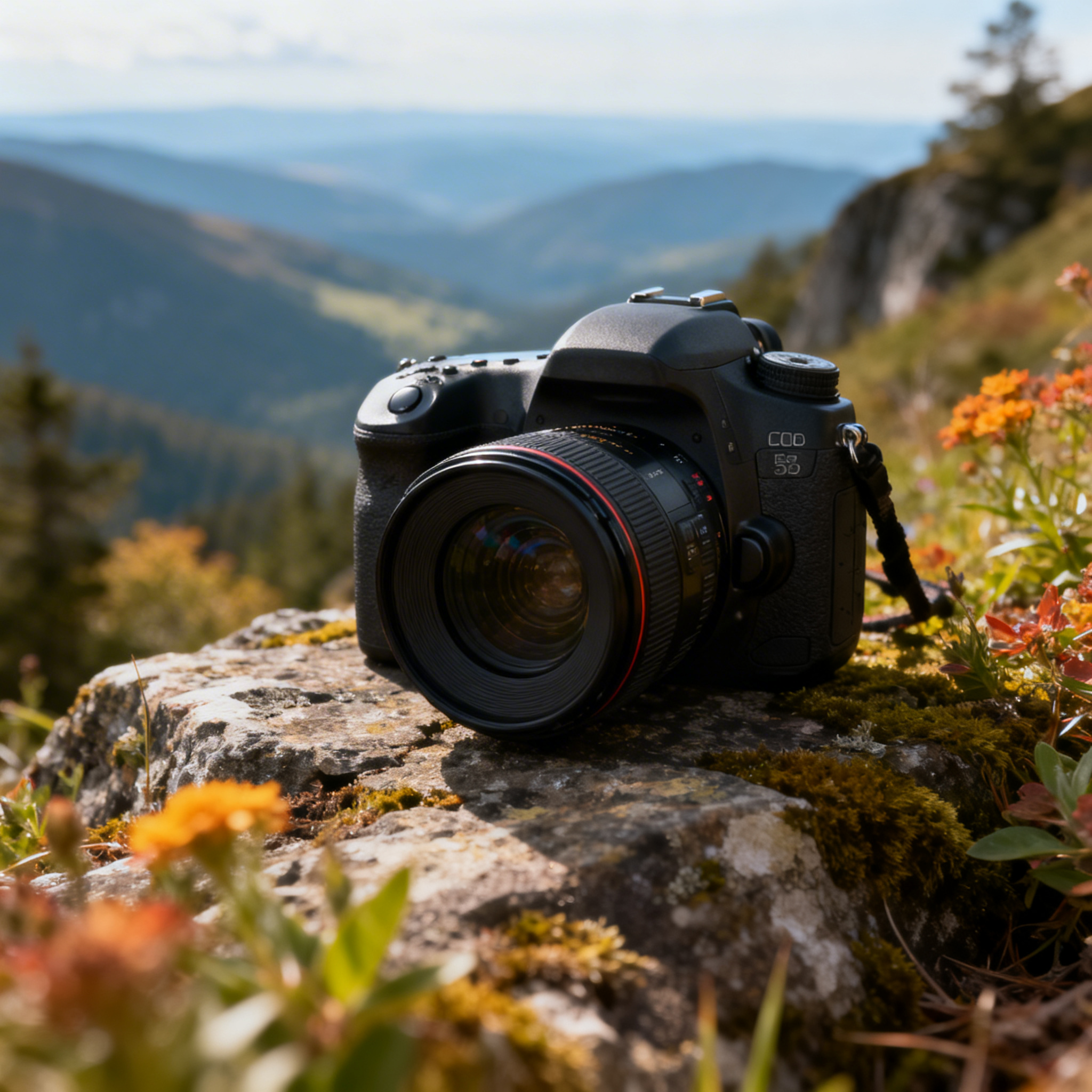
The Evolution of Compact Mirrorless Cameras in 2026
The mirrorless camera revolution has reached new heights in 2026, with manufacturers delivering unprecedented image quality in increasingly compact packages. Today’s compact mirrorless cameras offer professional-grade performance that would have been unimaginable just a few years ago, making them the perfect choice for photographers who refuse to compromise between portability and capability.
Whether you’re a travel photographer seeking the ultimate balance of size and performance, a street photographer who values discretion, or a content creator who needs versatility on the go, compact mirrorless cameras have evolved to meet every imaging need. The latest models feature advanced AI-powered autofocus systems, impressive low-light capabilities, and video specifications that rival dedicated cinema cameras.
What Makes a Mirrorless Camera “Compact” in 2026?
The definition of “compact” has evolved significantly as mirrorless technology has matured. In 2026, we consider a mirrorless camera compact if it meets several key criteria:
Size and Weight: The camera body should weigh under 650 grams and maintain dimensions that allow comfortable single-handed operation. This doesn’t mean sacrificing build quality – modern materials like carbon fiber composites and advanced magnesium alloys provide exceptional durability while keeping weight down.
System Efficiency: Beyond just the camera body, a truly compact system includes a selection of lightweight, high-performance lenses. Manufacturers have made remarkable progress in optical design, creating lenses that deliver professional results while maintaining portability.
Battery Efficiency: Compact cameras need efficient power management. The best models now offer 600+ shots per charge through improved processors and intelligent power management systems.
Feature Density: Modern compact mirrorless cameras pack an incredible array of features into small bodies, including in-body image stabilization, high-resolution electronic viewfinders, and advanced connectivity options.
Top Compact Mirrorless Cameras for 2026
Sony A7 IV: The Full-Frame Compact Champion
The Sony A7 IV continues to set the standard for compact full-frame mirrorless cameras, representing the perfect marriage of size, performance, and versatility.
| Specification | Sony A7 IV |
|---|---|
| Sensor | 33MP Full-Frame BSI CMOS |
| Processor | BIONZ XR |
| ISO Range | 100-51,200 (exp. 50-204,800) |
| Autofocus Points | 759 Phase-Detection |
| Video | 4K60p, 1080p120p |
| Viewfinder | 3.69M-dot OLED |
| LCD | 3.0” Vari-angle Touch |
| Weight | 658g (body only) |
| Battery Life | 580 shots |
| Image Stabilization | 5-axis IBIS (5.5 stops) |
Performance Analysis: The A7 IV excels in virtually every category that matters to photographers and videographers. Its 33-megapixel sensor strikes an ideal balance between resolution and low-light performance, delivering exceptional image quality from ISO 100 through 6400, with usable results even at ISO 12,800.
The camera’s autofocus system is genuinely remarkable, featuring real-time tracking that locks onto subjects with tenacious accuracy. Whether photographing wildlife, sports, or portraits, the A7 IV rarely misses focus. The Eye AF works flawlessly for both humans and animals, while the new Bird AF mode has become incredibly sophisticated.
For video creators, the A7 IV offers professional-grade 4K recording with full pixel readout and no crop, plus advanced features like S-Log3 recording and 10-bit 4:2:2 internal recording. The camera’s heat management has improved significantly, allowing for extended recording sessions without overheating.
Pros:
- Exceptional image quality across all ISO ranges
- Industry-leading autofocus performance
- Comprehensive video features with professional codecs
- Excellent in-body image stabilization
- Weather sealing for challenging conditions
- Dual card slots (CFexpress Type A and SD UHS-II)
Cons:
- Premium pricing may be prohibitive for some users
- CFexpress Type A cards are expensive
- Menu system can be overwhelming for beginners
- Limited native telephoto lens options
Who Should Buy It: The A7 IV is perfect for serious photographers and videographers who demand professional results in a compact package. It’s ideal for travel photographers, wedding photographers, and content creators who need versatility without compromise.
Fujifilm X-T5: The APS-C Precision Instrument
Fujifilm’s X-T5 represents the pinnacle of APS-C engineering, combining retro aesthetics with cutting-edge technology in a remarkably compact body.
The X-T5’s 40.2-megapixel X-Trans CMOS 5 HR sensor delivers exceptional detail and dynamic range, rivaling many full-frame cameras while maintaining the size and weight advantages of the APS-C format. The camera’s film simulation modes have been refined to perfection, offering stunning JPEG output straight from the camera.
Performance Highlights: The X-T5’s autofocus system, while not quite matching Sony’s latest offerings, provides reliable performance for most shooting scenarios. The camera excels in single-point AF and benefits from Fujifilm’s excellent face and eye detection algorithms.
Image quality is outstanding, with the camera producing files that offer excellent detail and pleasing color rendition. The X-Trans sensor effectively eliminates moiré and false colors without the need for an optical low-pass filter.
Who Should Buy It: Perfect for photographers who prioritize image quality and enjoy the tactile experience of traditional camera controls. The X-T5 is excellent for landscape, portrait, and street photography.
Canon EOS R8: The Accessible Full-Frame Option
Canon’s EOS R8 democratizes full-frame photography, offering many of the features found in higher-end models at a more accessible price point.
Built around the same 24.2-megapixel sensor as the flagship R6 Mark II, the R8 delivers exceptional image quality and impressive low-light performance. Canon’s Dual Pixel CMOS AF II system provides fast, accurate autofocus with excellent subject tracking capabilities.
Performance Analysis: The R8 punches well above its weight class, offering professional-level image quality and performance. The camera’s ISO performance is exceptional, producing clean images up to ISO 6400 and usable results even at extreme ISO settings.
Who Should Buy It: Ideal for photographers stepping up from crop sensor cameras or those seeking an affordable entry into Canon’s full-frame RF system.
Nikon Z5: The Value Full-Frame Proposition
Nikon’s Z5 offers full-frame photography at an attractive price point, making it an excellent choice for photographers prioritizing value without sacrificing image quality.
The Z5’s 24.3-megapixel sensor produces excellent image quality with pleasing color rendition and good dynamic range. While the autofocus system isn’t as advanced as newer competitors, it performs reliably for most photography applications.
Who Should Buy It: Perfect for photographers seeking full-frame image quality on a budget, particularly those already invested in the Nikon ecosystem.
Panasonic Lumix S5 II: The Video-Centric Hybrid
Panasonic’s S5 II excels as a hybrid camera, offering exceptional video capabilities alongside strong still photography performance.
The camera’s video features are comprehensive, including unlimited recording time, excellent heat management, and professional codecs. For content creators who prioritize video, the S5 II offers exceptional value.
Who Should Buy It: Ideal for videographers and content creators who need professional video features in a compact, affordable package.
Key Features to Consider When Choosing
Sensor Size and Image Quality
The sensor remains the heart of any camera system. Full-frame sensors offer advantages in low-light performance and depth of field control, while APS-C sensors provide better reach with telephoto lenses and smaller overall system size.
Full-frame benefits:
- Superior low-light performance
- Shallower depth of field capabilities
- Better dynamic range
- Professional credibility
APS-C advantages:
- Smaller, lighter camera bodies and lenses
- Extended reach with telephoto lenses
- More affordable system costs
- Excellent image quality for most applications
Autofocus Performance
Modern autofocus systems utilize AI and machine learning to track subjects with unprecedented accuracy. Look for cameras offering:
- High-density phase-detection points
- Real-time subject tracking
- Eye detection for humans and animals
- Customizable AF areas and modes
Video Capabilities
Even primarily still photographers benefit from capable video features. Key considerations include:
- 4K recording quality and frame rates
- Internal recording codecs and bit depths
- Heat management for extended recording
- Audio input options
- Image stabilization effectiveness for video
Battery Life and Efficiency
Compact cameras must balance performance with battery efficiency. Look for cameras offering 400+ shots per charge and consider investing in additional batteries for extended shooting sessions.
Lens Ecosystem Considerations
The camera body is only part of the equation – lens selection often determines long-term satisfaction with a system.
Sony FE Mount
Sony’s E-mount system offers the most comprehensive selection of native lenses, from compact primes to professional zooms. Third-party support from Sigma, Tamron, and others provides additional options at various price points.
Canon RF Mount
Canon’s RF mount system continues expanding rapidly, with excellent professional lenses and some innovative compact options. The system benefits from Canon’s extensive optical expertise.
Fujifilm X Mount
Fujifilm’s X-mount offers exceptional prime lenses with unique focal lengths and outstanding optical quality. The system particularly excels in compact, high-quality prime lenses.
Real-World Usage Tips
Optimizing Battery Life
- Use power-saving modes when appropriate
- Turn off unnecessary connectivity features
- Consider external battery grips for extended shooting
- Carry multiple batteries for critical assignments
Maximizing Image Stabilization
- Learn proper handheld techniques to complement IBIS
- Understand IS modes for different shooting scenarios
- Use lens-based stabilization when available for optimal results
Customizing Controls
- Program custom buttons for frequently used settings
- Set up different shooting modes for various scenarios
- Customize autofocus settings for different subjects
Making the Right Choice for Your Needs
Travel Photography
For travel photography, prioritize weather sealing, battery life, and lens versatility. The Sony A7 IV excels with its combination of image quality, autofocus performance, and comprehensive weather sealing.
Street Photography
Street photographers benefit from compact size, silent shooting modes, and excellent low-light performance. Consider cameras with articulating screens for discrete shooting angles.
Content Creation
Content creators should prioritize video capabilities, connectivity features, and battery life. Look for cameras offering unlimited recording, good heat management, and comprehensive codec options.
Portrait Photography
Portrait photographers benefit from excellent Eye AF, good low-light performance, and access to fast portrait lenses. Full-frame sensors provide advantages in shallow depth of field control.
Future-Proofing Your Investment
Firmware Updates
Modern mirrorless cameras receive significant feature updates through firmware. Choose manufacturers with strong track records of supporting older cameras with new features.
System Longevity
Consider the manufacturer’s commitment to the lens mount and system. Established systems with comprehensive lens roadmaps offer better long-term value.
Technology Integration
Look for cameras offering modern connectivity options, including wireless transfer, remote control capabilities, and integration with mobile apps.
Conclusion and Recommendations
The compact mirrorless camera market in 2026 offers exceptional choices for every type of photographer. The Sony A7 IV stands out as our top overall recommendation, delivering professional-grade performance in a surprisingly compact package. Its combination of image quality, autofocus performance, and video capabilities makes it suitable for virtually any photographic application.
For photographers prioritizing value, the Canon EOS R8 offers remarkable full-frame performance at an accessible price point. APS-C enthusiasts will find the Fujifilm X-T5 provides exceptional image quality with the tactile shooting experience that many photographers prefer.
Ultimately, the best compact mirrorless camera is the one that matches your specific needs, shooting style, and budget. Consider not just the camera body, but the entire system ecosystem, including lens selection, accessories, and long-term support. With any of these top recommendations, you’ll have a powerful tool capable of capturing stunning images while maintaining the portability that makes photography a joy rather than a burden.
The future of photography is undoubtedly mirrorless, and these compact cameras prove that you no longer need to choose between size and performance. Whether you’re documenting travels, creating content, or pursuing artistic expression, these cameras provide the tools necessary to bring your vision to life.
Related Tags
Looking for the Best Camera Deals?
Check out our latest buying guides and comparison articles to find the perfect camera for your needs.
Browse Buying Guides