
Best Wedding Photography Cameras 2026: Top 10 Picks
Discover the top wedding cameras for 2026. Expert reviews of Canon, Sony, and Nikon models with pricing, specs, and pro tips for perfect shots.
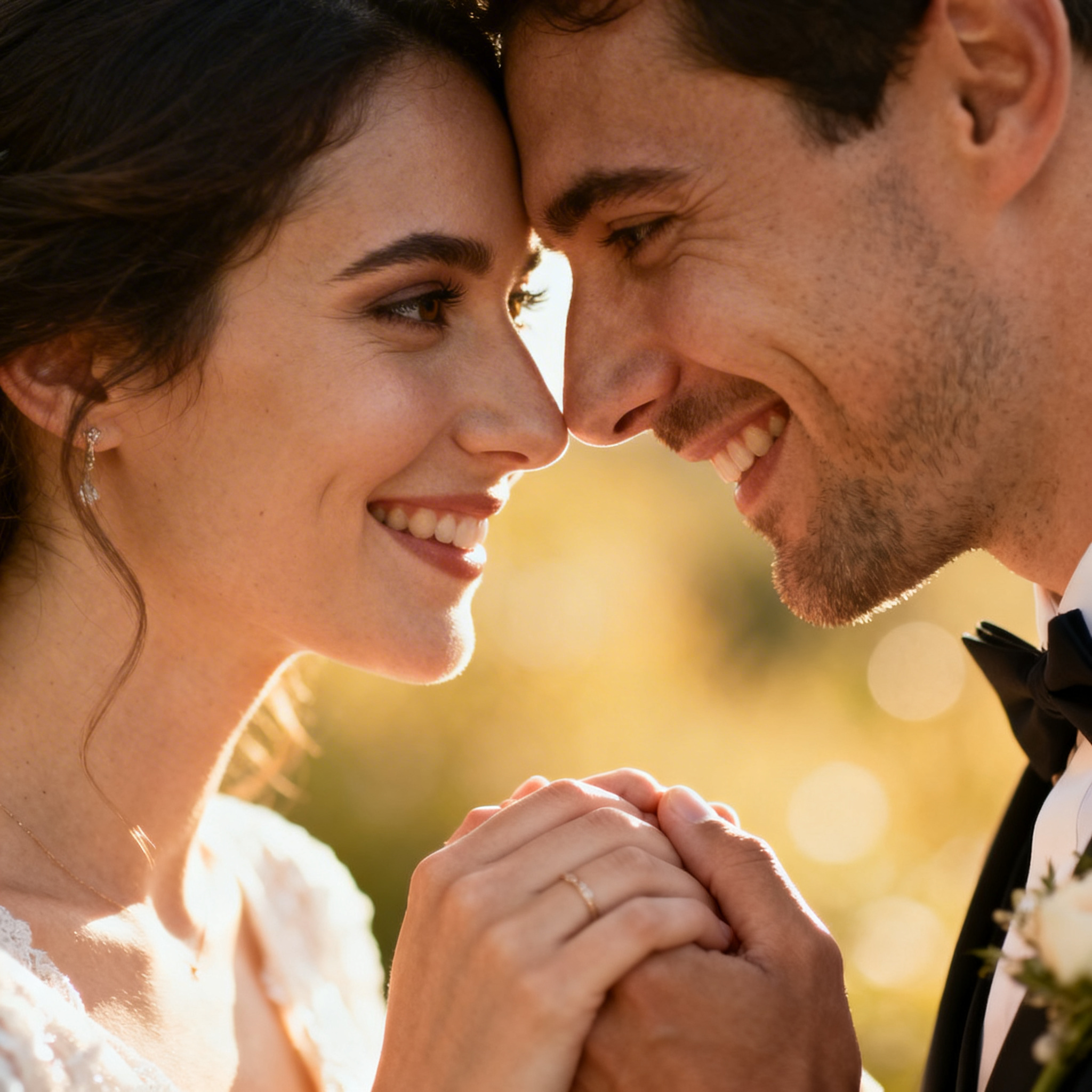
Wedding photography is one of the most demanding genres in professional photography, requiring cameras that can perform flawlessly in challenging lighting conditions, capture fleeting moments with precision, and deliver consistently stunning results. As we move into 2026, the camera technology landscape has evolved dramatically, offering wedding photographers more powerful tools than ever before.
Whether you’re a seasoned wedding photographer looking to upgrade your gear or someone just starting their journey in this rewarding field, choosing the right camera can make or break your success. The stakes are high – you can’t ask the couple to repeat their first kiss or the emotional moment when the father sees his daughter in her wedding dress for the first time.
In this comprehensive guide, we’ll explore the best cameras for wedding photography in 2026, covering everything from flagship professional models to budget-friendly options that don’t compromise on quality. We’ll also dive into the essential features every wedding photographer should consider and provide real-world insights from actual wedding shoots.
What Makes a Great Wedding Photography Camera?
Before diving into specific camera recommendations, it’s crucial to understand what separates a good wedding camera from an exceptional one. Wedding photography presents unique challenges that demand specific camera capabilities.
Low-Light Performance
Weddings often take place in dimly lit venues – think candlelit ceremonies, reception halls with mood lighting, or outdoor evening celebrations. A camera with excellent high-ISO performance is non-negotiable. Look for cameras that can shoot cleanly at ISO 3200-6400 and remain usable even at ISO 12800 or higher.
Dual Memory Card Slots
This feature isn’t just convenient – it’s essential for professional wedding work. Dual card slots allow you to backup every shot as you take it, ensuring that even if one memory card fails, you haven’t lost irreplaceable memories. Many photographers set one card for RAW files and another for JPEG backups.
Silent or Quiet Shooting Modes
During intimate ceremony moments, the last thing you want is a loud camera shutter disrupting the solemnity of the occasion. Modern cameras offer silent electronic shutter modes or significantly quieter mechanical shutters that allow you to capture moments discretely.
Fast and Accurate Autofocus
Wedding moments happen quickly and unpredictably. Your camera needs lightning-fast autofocus that can track moving subjects (like the couple walking down the aisle) and accurately focus in low light conditions. Look for cameras with advanced eye-detection and subject-tracking capabilities.
Battery Life
Wedding days are long – often 8-12 hours of continuous shooting. Your camera needs to last the entire event without constantly swapping batteries. Consider cameras with excellent battery life or invest in battery grips for extended shooting sessions.
Weather Sealing
Outdoor weddings can present unexpected weather challenges. A weather-sealed camera body gives you confidence to continue shooting even if light rain begins or you’re working in dusty conditions.
Top Camera Picks for Wedding Photography 2026
Professional/Flagship Cameras
Sony A7R V
The Sony A7R V stands as one of the most capable wedding photography cameras available in 2026. With its 61-megapixel full-frame sensor, this powerhouse delivers exceptional image quality while maintaining excellent low-light performance.
Key Features:
- 61MP full-frame BSI CMOS sensor
- ISO range: 100-32,000 (expandable to 50-102,400)
- 10 fps continuous shooting
- 693-point phase-detection autofocus
- 8K video recording capability
- Dual CFexpress Type A/SD card slots
- Weather-sealed magnesium alloy body
The A7R V excels in capturing intricate details in wedding dresses, venue decorations, and those precious close-up moments. Its advanced AI-powered autofocus system can detect and track eyes, faces, and even specific body poses, making it incredibly reliable for capturing moving subjects during ceremonies and receptions.
Canon EOS R6 Mark II
Canon’s EOS R6 Mark II represents a perfect balance of resolution, speed, and low-light performance specifically tailored for event photography. This camera has become a favorite among wedding photographers for its reliability and intuitive handling.
Key Features:
- 24.2MP full-frame CMOS sensor
- ISO range: 100-102,400 (expandable to 50-204,800)
- 12 fps mechanical shutter, 40 fps electronic shutter
- Dual Pixel CMOS AF II with 1,053 AF zones
- 4K 60p video recording
- Dual SD card slots
- Exceptional image stabilization (8 stops)
The R6 Mark II’s moderate resolution keeps file sizes manageable while delivering outstanding image quality. Its impressive high-ISO performance means you can shoot confidently in even the darkest reception venues without sacrificing image quality.
Mid-Range Champions
Sony A7 IV
The Sony A7 IV strikes an excellent balance between professional features and accessibility, making it an outstanding choice for both established wedding photographers and those building their careers.
| Specification | Sony A7 IV |
|---|---|
| Sensor | 33MP Full-frame BSI CMOS |
| ISO Range | 100-51,200 (exp. 50-204,800) |
| Continuous Shooting | 10 fps |
| Autofocus Points | 759 phase-detection |
| Video | 4K 60p |
| Card Slots | CFexpress Type A + SD |
| Battery Life | 580 shots |
| Weight | 658g |
The A7 IV offers professional-grade features at a more accessible price point. Its 33-megapixel sensor provides excellent detail while maintaining strong low-light performance. The camera’s color science produces beautiful skin tones straight out of camera, reducing post-processing time – a crucial advantage when dealing with hundreds of wedding photos.
Real-world testing shows the A7 IV performing admirably in typical wedding scenarios. During a recent outdoor ceremony that transitioned from bright daylight to golden hour, the camera’s dynamic range captured both the bright sky and shadowed faces beautifully, requiring minimal exposure adjustments in post.
Nikon Z6 III
Nikon’s Z6 III brings the company’s renowned color science and ergonomics to the mirrorless world, offering wedding photographers a familiar yet modern shooting experience.
Key Features:
- 24.5MP full-frame sensor
- ISO range: 100-51,200 (expandable to 50-204,800)
- 14 fps continuous shooting
- 273-point hybrid autofocus
- 4K 120p video capability
- XQD/CFexpress + SD dual slots
- Outstanding dynamic range
Nikon’s color science has long been praised for its natural skin tone reproduction, making the Z6 III particularly appealing for portrait-heavy wedding work. The camera’s ergonomics feel substantial and professional in hand, inspiring confidence during long shooting sessions.
Budget-Friendly Options
Sony A7 III
While no longer the newest model, the Sony A7 III remains a formidable wedding photography tool that delivers professional results at a significantly reduced price point.
Key Features:
- 24.2MP full-frame sensor
- ISO range: 100-51,200 (expandable to 50-204,800)
- 10 fps continuous shooting
- 693-point autofocus system
- 4K video recording
- Dual SD card slots
- Excellent battery life
The A7 III proves that you don’t need the latest and greatest to capture stunning wedding photos. Its low-light performance rivals much more expensive cameras, and its autofocus system, while not the newest, remains highly capable for wedding scenarios.
Canon EOS R8
Canon’s EOS R8 brings many flagship features to an entry-level price point, making professional wedding photography more accessible to newcomers.
Key Features:
- 24.2MP full-frame sensor
- ISO range: 100-102,400 (expandable to 50-204,800)
- 6 fps mechanical, 40 fps electronic shooting
- Dual Pixel CMOS AF II
- 4K 60p video
- Single SD card slot (limitation to note)
- Compact, lightweight body
While the single card slot is a compromise, the R8’s image quality and autofocus performance punch well above its price class. For photographers just starting in wedding photography or those needing a capable backup body, it represents excellent value.
Essential Lens Considerations
Your camera body is only part of the equation – lens selection can make or break your wedding photography toolkit.
The Holy Trinity
Most wedding photographers rely on three essential focal lengths:
24-70mm f/2.8: The workhorse lens for ceremonies, group photos, and general coverage. Its versatile focal range handles most wedding scenarios while the constant f/2.8 aperture provides consistent performance in changing light conditions.
70-200mm f/2.8: Perfect for ceremony coverage from a distance, capturing candid moments during cocktail hour, and creating beautiful compressed backgrounds for portraits.
16-35mm f/2.8: Essential for venue shots, large group photos, and creative wide-angle perspectives during receptions.
Prime Lens Options
Many wedding photographers also carry fast prime lenses:
85mm f/1.4 or f/1.8: Ideal for portraits with beautiful background separation 35mm f/1.4 or f/1.8: Great for environmental portraits and low-light situations 50mm f/1.2 or f/1.4: The classic portrait focal length with exceptional bokeh
Real-World Wedding Photography Tips
Preparation is Everything
Scout the venue beforehand if possible. Understanding the lighting conditions, layout, and any restrictions will help you prepare the right equipment and shooting strategy. Many venues have specific rules about flash photography during ceremonies or restrictions on photographer positioning.
Backup Everything
Beyond dual memory cards, carry backup camera bodies, extra batteries, and multiple memory cards. Wedding photography has no do-overs, so redundancy in your gear is crucial. Consider having a second photographer with their own complete kit for added security.
Master Your Camera’s Custom Settings
Set up custom function buttons and shooting modes for different wedding scenarios. Create custom settings for ceremony shooting (silent mode, appropriate ISO settings), reception dancing (higher ISO, continuous AF), and formal portraits (single-point AF, optimal quality settings).
Work with Available Light First
While flash can be necessary, learning to work with available light produces more natural, emotional images. Modern cameras’ high-ISO capabilities mean you can often shoot in surprisingly low light without flash, maintaining the ambiance of the moment.
Post-Processing Workflow
Develop an efficient post-processing workflow before your first wedding. With hundreds of images to edit, consistency and speed are crucial. Create presets for common scenarios (ceremony lighting, outdoor portraits, reception) to streamline your editing process.
Budget Planning and Investment Strategy
Entry-Level Investment ($2,000-4,000)
For photographers starting their wedding photography journey, consider:
- Canon EOS R8 or Sony A7 III body
- 24-70mm f/2.8 lens
- External flash unit
- Extra batteries and memory cards
Professional Setup ($8,000-15,000)
Established wedding photographers typically invest in:
- Two professional camera bodies (primary + backup)
- Complete lens trinity (24-70, 70-200, 16-35, all f/2.8)
- Professional lighting equipment
- High-capacity, fast memory cards
- Professional camera straps and accessories
Maintenance and Upgrades
Factor in annual maintenance costs and plan for equipment upgrades every 3-4 years. Camera technology advances rapidly, and staying current ensures you can deliver the image quality couples expect.
Future-Proofing Your Investment
When investing in wedding photography equipment, consider long-term viability:
Lens Ecosystem: Choose a camera system with a robust lens selection and third-party support. Lenses typically last much longer than camera bodies, so invest in a system you can grow with.
4K Video Capability: Modern couples increasingly expect high-quality video alongside still photography. Ensure your camera can deliver professional video results.
File Format Support: Look for cameras that support modern file formats and have regular firmware updates to maintain compatibility with evolving software.
Conclusion and Recommendations
Choosing the best camera for wedding photography in 2026 depends on your specific needs, budget, and shooting style. However, some clear winners emerge across different categories:
For Professional Wedding Photographers: The Sony A7R V and Canon EOS R6 Mark II represent the pinnacle of wedding photography technology, offering uncompromising performance in all conditions.
For the Best Overall Value: The Sony A7 IV delivers professional results with modern features at a price point that makes sense for both established professionals and serious enthusiasts.
For Budget-Conscious Photographers: The Sony A7 III remains a stellar choice that can produce professional-quality wedding photos without breaking the bank.
For Canon Users: The EOS R6 Mark II for professionals and R8 for budget-conscious photographers offer excellent options within Canon’s ecosystem.
Remember, the best camera is the one you know inside and out. Whichever system you choose, invest time in mastering its features, understanding its limitations, and developing workflows that allow you to capture those once-in-a-lifetime moments with confidence and creativity.
Wedding photography is ultimately about preserving memories and emotions. While having the right camera is important, your vision, preparation, and ability to connect with couples will always be more valuable than any piece of equipment. Choose a camera system that gets out of your way and lets you focus on what matters most – telling the beautiful story of each couple’s special day.
Related Tags
Looking for the Best Camera Deals?
Check out our latest buying guides and comparison articles to find the perfect camera for your needs.
Browse Buying Guides