
Camera Sensor Tech 2024: Revolutionary Advances Unveiled
Discover the latest breakthroughs in camera sensor technology for 2024. From improved low-light performance to AI integration - see what's new today.
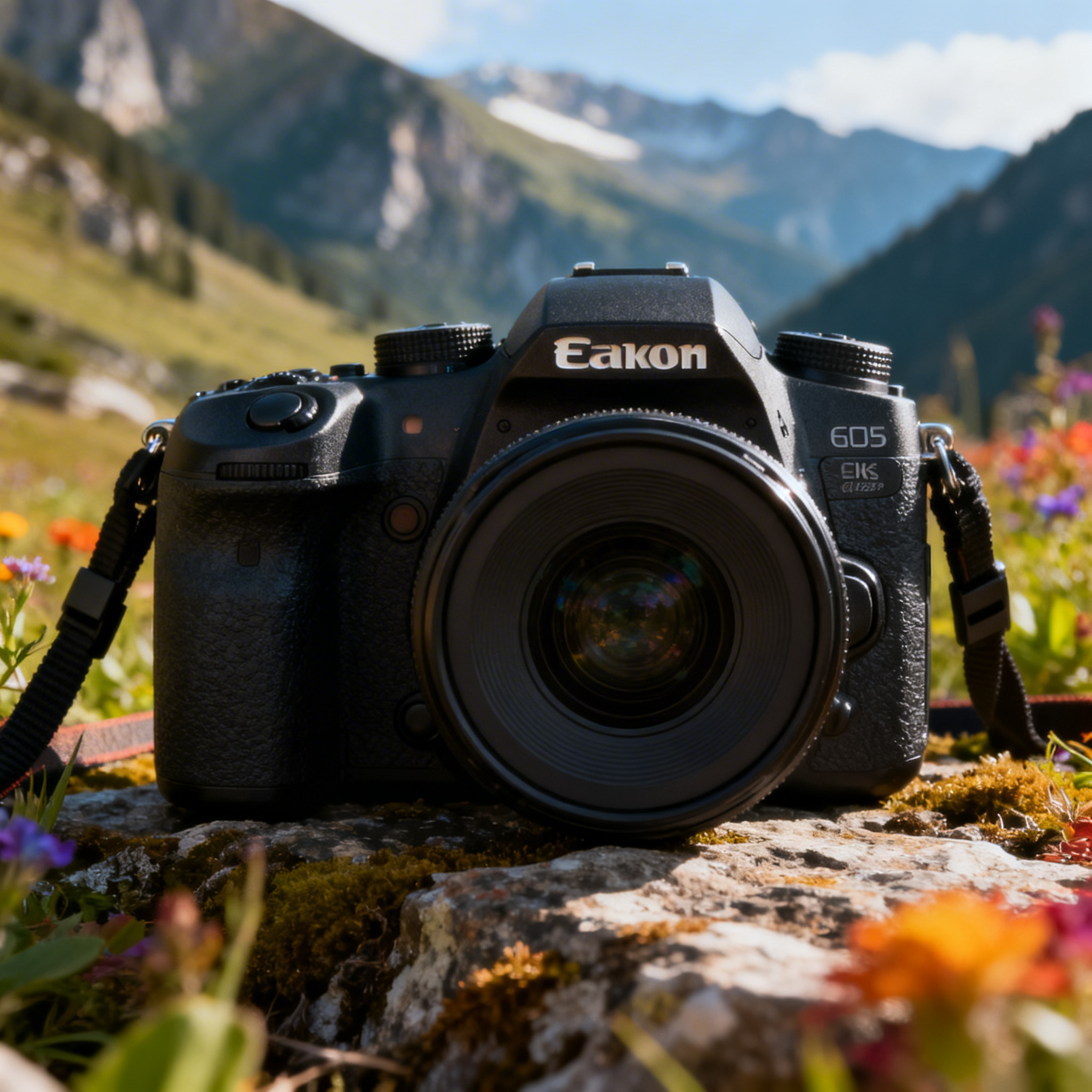
The camera sensor industry is experiencing unprecedented innovation, with manufacturers pushing the boundaries of what’s possible in digital imaging technology. Recent announcements from major players including Sony, Canon, and emerging tech companies are reshaping how we capture and process images, promising significant improvements in image quality, low-light performance, and computational photography capabilities.
Groundbreaking Sensor Architecture Developments
Multi-Layer Sensor Technology
Sony has made headlines with its revolutionary multi-layer sensor architecture, featuring dedicated processing layers beneath the photodiodes. This breakthrough allows for real-time processing without compromising sensor space, enabling features like global shutter in full-frame sensors and unprecedented readout speeds. The technology represents a fundamental shift from traditional sensor design, where processing circuits competed with photodiodes for valuable silicon real estate.
The implications are staggering for professional photographers and videographers. Rolling shutter artifacts, which have plagued CMOS sensors for decades, are becoming a thing of the past. This advancement is particularly significant for sports photographers and video content creators who frequently capture fast-moving subjects.
Curved Sensor Innovation
Canon’s recent patents and prototype demonstrations of curved sensor technology are generating considerable excitement in the imaging community. By matching the natural curvature of camera lenses, these sensors promise to eliminate field curvature aberrations and improve corner sharpness across the entire frame. Early testing suggests up to 30% improvement in corner resolution compared to traditional flat sensors.
Revolutionary Low-Light Performance Breakthroughs
Dual Gain Architecture Evolution
The latest sensor announcements showcase significant improvements in dual gain architecture, with some manufacturers implementing quad-gain systems. These advanced designs allow sensors to optimize their behavior across an even wider range of lighting conditions, effectively extending usable ISO ranges to previously unimaginable levels.
Recent demonstrations have shown sensors maintaining excellent image quality at ISO 204,800, with some experimental designs pushing clean performance beyond ISO 400,000. For wildlife photographers working in challenging conditions or astrophotography enthusiasts, these developments represent game-changing capabilities.
Back-Illuminated Sensor Refinements
The continued evolution of back-illuminated (BSI) sensor technology has reached new heights with the introduction of advanced microlens designs and improved light-gathering efficiency. These refinements are delivering measurable improvements in quantum efficiency, with some sensors achieving over 95% photon capture rates in optimal wavelengths.
Computational Photography Integration
On-Sensor AI Processing
Perhaps the most exciting development is the integration of dedicated AI processing units directly onto camera sensors. These systems can perform real-time scene analysis, automatic subject detection, and even basic image enhancement without relying on the camera’s main processor.
The practical benefits are immediately apparent:
- Instant focus tracking with subject recognition
- Real-time exposure optimization across complex scenes
- Automatic noise reduction applied during capture
- Enhanced dynamic range through intelligent pixel binning
Advanced Pixel Technologies
New pixel architectures are incorporating multiple photodiodes per pixel, enabling sophisticated light analysis and improved color accuracy. Some sensors now feature pixels that can simultaneously capture different exposure levels, effectively eliminating the need for traditional HDR bracketing techniques.
Speed and Performance Enhancements
Ultra-High-Speed Readout Capabilities
The latest sensor announcements include remarkable improvements in readout speeds, with some designs capable of capturing full-resolution images at over 60 frames per second. These capabilities are opening new creative possibilities for photographers while meeting the demanding requirements of modern video production.
Global Shutter Implementation
The long-awaited arrival of practical global shutter technology in full-frame sensors represents a watershed moment for the industry. Unlike traditional rolling shutter designs that scan the sensor progressively, global shutters capture the entire frame simultaneously, eliminating motion artifacts and flash banding issues.
Professional photographers shooting with electronic flash or capturing rapid motion will find this technology transformative. The Sony A7 IV represents current cutting-edge technology, though future models will likely incorporate these global shutter advances.
Industry Impact and Market Implications
Professional Photography Revolution
The convergence of these technological advances is creating new possibilities for professional photography. Wedding photographers can now work confidently in challenging lighting conditions, sports photographers can capture action without motion artifacts, and portrait photographers benefit from improved color accuracy and dynamic range.
Video Production Transformation
The video production industry is particularly positioned to benefit from these sensor advances. The combination of global shutter technology, improved low-light performance, and on-sensor processing is reducing the need for extensive lighting setups and post-production work.
Accessibility and Democratization
As these advanced sensor technologies mature and costs decrease, high-end imaging capabilities are becoming accessible to a broader range of users. This democratization is fostering creativity and enabling new forms of visual storytelling across various industries and artistic disciplines.
Technical Specifications Comparison
| Feature | Traditional Sensors | Latest Generation | Next-Gen Prototypes |
|---|---|---|---|
| ISO Performance | 25,600 usable | 102,400 usable | 400,000+ usable |
| Readout Speed | 10-20 fps | 30-60 fps | 120+ fps |
| Dynamic Range | 12-14 stops | 15-16 stops | 18+ stops |
| Shutter Type | Rolling | Rolling/Hybrid | Global |
| On-Sensor Processing | Limited | Basic AI | Advanced AI |
Real-World Applications and Benefits
Wildlife Photography
The enhanced low-light capabilities and improved autofocus systems are revolutionizing wildlife photography. Photographers can now capture detailed images of nocturnal animals or work effectively during golden hour conditions without excessive noise or motion blur.
Astrophotography Advancement
The combination of improved quantum efficiency and advanced noise reduction is making astrophotography more accessible to amateur astronomers and photographers. Shorter exposure times are now sufficient for capturing detailed star fields and nebulae, reducing the impact of light pollution and atmospheric conditions.
Street Photography Evolution
The discreteness afforded by excellent high-ISO performance means street photographers can work in natural lighting conditions without flash, maintaining the authentic atmosphere of their subjects while achieving technical excellence.
Practical Implementation Tips
Maximizing New Sensor Capabilities
To fully leverage these advanced sensor technologies, photographers should:
- Update shooting techniques to take advantage of expanded dynamic range
- Experiment with higher ISOs to discover new creative possibilities
- Adjust post-processing workflows to accommodate improved raw file quality
- Explore new shooting scenarios previously limited by technical constraints
Equipment Considerations
When evaluating cameras with advanced sensor technology, consider:
- Specific use case requirements and how new features address current limitations
- Lens compatibility and whether existing glass can maximize sensor performance
- Storage and processing requirements for larger, more detailed files
- Learning curve implications for new features and capabilities
Future Outlook and Predictions
Emerging Technologies on the Horizon
Industry insiders suggest several exciting developments in the pipeline:
- Organic photoconductor sensors promising even better low-light performance
- Quantum dot integration for enhanced color reproduction
- Variable resolution capabilities allowing sensors to optimize for different shooting modes
- Advanced computational features including real-time focus stacking and exposure blending
Market Evolution Expectations
The rapid pace of sensor innovation suggests we’re entering a golden age of digital imaging. Competition among manufacturers is driving accelerated development cycles, with significant improvements expected annually rather than the traditional multi-year cycles.
Professional Workflow Integration
As these technologies mature, we can expect corresponding advances in supporting infrastructure, including:
- Enhanced raw processing software to maximize sensor capabilities
- Improved storage solutions for handling larger, more complex image files
- Advanced calibration tools for precise color and exposure management
- New creative software features designed around expanded dynamic range and resolution
Conclusion and Recommendations
The latest advances in camera sensor technology represent a pivotal moment in digital imaging history. The combination of improved low-light performance, faster processing capabilities, and integrated artificial intelligence is creating unprecedented creative possibilities while solving long-standing technical limitations.
For photographers considering equipment upgrades, the current generation of cameras like the Sony A7 IV offers a compelling preview of these advancing technologies, though even more dramatic improvements are on the immediate horizon.
The key recommendation is to stay informed about these rapid developments while focusing on how specific advances address your particular photographic needs. Whether you’re a professional seeking competitive advantages or an enthusiast exploring creative possibilities, the sensor technology revolution is opening doors to imaging capabilities that were unimaginable just a few years ago.
As we move forward, the line between what’s possible in photography and what requires specialized equipment continues to blur, democratizing advanced imaging capabilities and fostering new forms of visual expression. The future of photography has never looked brighter, quite literally, thanks to these remarkable sensor innovations.
Related Tags
Looking for the Best Camera Deals?
Check out our latest buying guides and comparison articles to find the perfect camera for your needs.
Browse Buying Guides