
Canon EOS R5 Mark II Review: Best Mirrorless Camera 2024?
Complete Canon EOS R5 Mark II review covering performance, image quality, video specs & pricing. Is this the ultimate mirrorless camera for 2024?
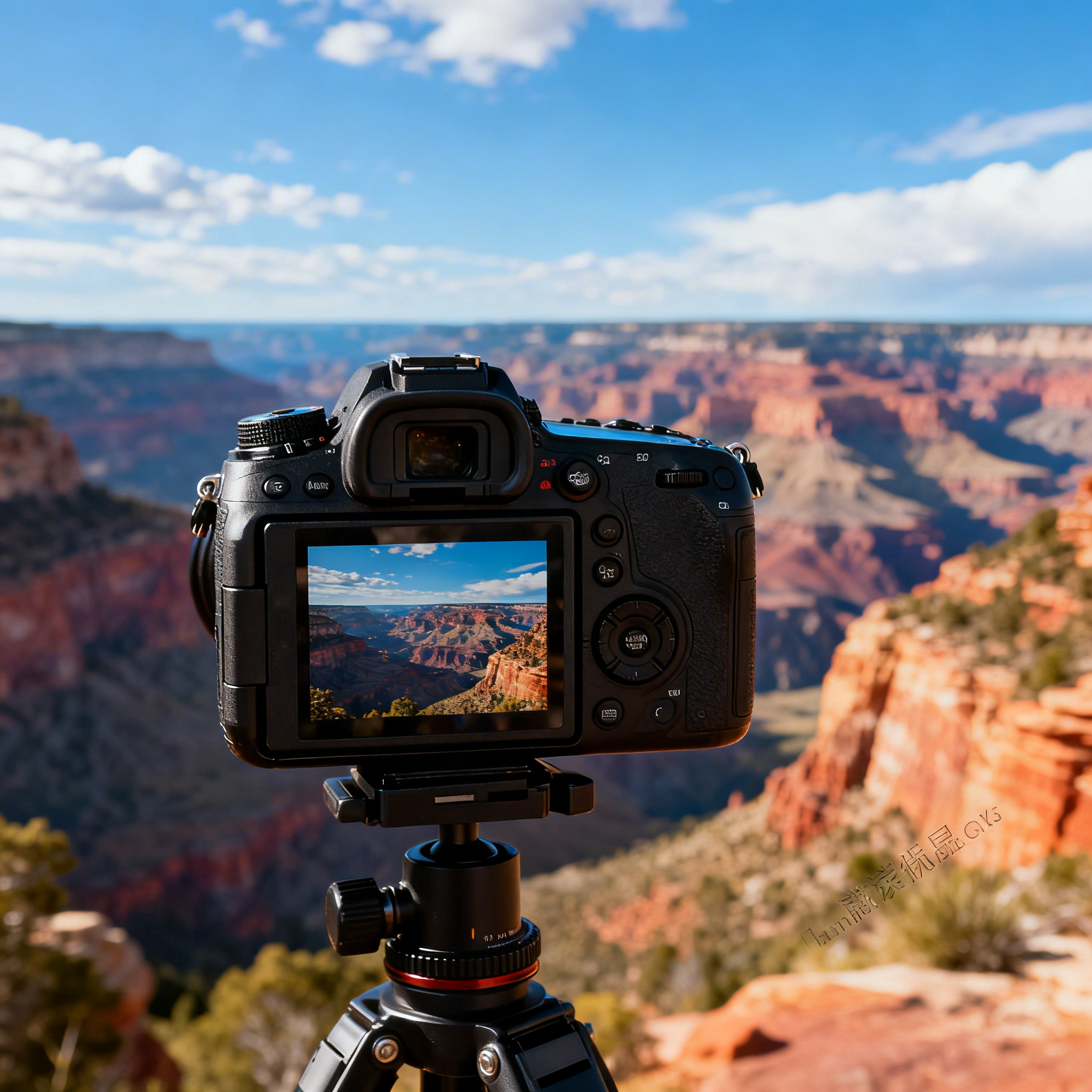
The Canon EOS R5 Mark II represents the pinnacle of Canon’s mirrorless camera technology, building upon the revolutionary foundation laid by its predecessor. As professional photographers and videographers increasingly demand more from their equipment, Canon has answered with significant improvements across the board. In this comprehensive review, we’ll dive deep into what makes the R5 Mark II a compelling upgrade and whether it deserves a place in your camera bag.
Key Specifications and Features
The Canon EOS R5 Mark II pushes the boundaries of what’s possible in a mirrorless body. Here’s a detailed breakdown of its impressive specifications:
| Specification | Canon EOS R5 Mark II |
|---|---|
| Sensor | 45MP Full-Frame CMOS |
| Image Processor | DIGIC X+ |
| ISO Range | 100-51,200 (expandable to 50-204,800) |
| Autofocus Points | 1,053 AF points |
| Max Burst Rate | 20 fps (electronic), 12 fps (mechanical) |
| Video Recording | 8K RAW at 30p, 4K at 120p |
| Image Stabilization | 5-axis In-Body (8 stops) |
| LCD Screen | 3.2” Vari-angle touchscreen |
| Viewfinder | 5.76M-dot OLED EVF |
| Weather Sealing | Yes |
| Battery | LP-E6NH |
| Memory Cards | Dual CFexpress Type B / SD UHS-II |
| Weight | 738g (body only) |
Design and Build Quality
Canon has refined the ergonomics of the R5 Mark II while maintaining the robust construction that professionals demand. The magnesium alloy body feels substantial in hand, striking an excellent balance between durability and weight. The weather sealing has been improved, making it more reliable in challenging conditions – a crucial factor for outdoor photographers and videographers.
The grip has been subtly redesigned for better comfort during extended shooting sessions. The button layout remains intuitive, with new customizable controls that enhance workflow efficiency. The dual card slots now support both CFexpress Type B and SD UHS-II cards, providing flexibility for different shooting scenarios and backup strategies.
Improved Heat Management
One of the most significant design improvements addresses the overheating issues that occasionally plagued the original R5. Canon has implemented a more sophisticated heat dissipation system, allowing for extended 8K recording without the thermal limitations that frustrated many users.
Image Quality Performance
The 45-megapixel full-frame sensor delivers exceptional image quality that rivals and often surpasses dedicated medium format cameras. Dynamic range has been expanded, providing approximately 15 stops of latitude – crucial for high-contrast scenes and extensive post-processing flexibility.
Low Light Capabilities
The improved sensor design and DIGIC X+ processor work together to deliver remarkable low-light performance. While the native ISO range extends to 51,200, the camera produces usable images up to ISO 25,600 with minimal noise reduction required. The expanded ISO 204,800 setting, while not practical for critical work, can be useful in emergency situations.
Color Science and Dynamic Range
Canon’s renowned color science remains a standout feature. Skin tones are rendered naturally, and the camera handles mixed lighting conditions with impressive accuracy. The improved dynamic range allows for significant shadow lifting and highlight recovery, making it forgiving for photographers who prefer to shoot in available light.
Autofocus System and Performance
The Dual Pixel CMOS AF II system has been significantly enhanced in the R5 Mark II. With 1,053 selectable AF points covering approximately 90% of the frame, subject acquisition and tracking are exceptionally reliable.
Subject Detection and Tracking
The AI-powered subject detection now recognizes:
- Humans (eyes, faces, bodies)
- Animals (cats, dogs, birds, horses)
- Vehicles (cars, motorcycles, aircraft)
- Sports equipment (balls, helmets)
The tracking accuracy has improved dramatically, maintaining focus lock even when subjects are partially obscured or moving erratically. For wildlife photographers, the bird detection mode is particularly impressive, successfully tracking small birds in flight with remarkable consistency.
Real-World AF Performance
In practical shooting scenarios, the autofocus system rarely misses its target. The combination of speed and accuracy makes it suitable for demanding applications like sports photography, wildlife shooting, and fast-paced events. The low-light AF performance down to -7.5 EV means you can achieve sharp focus even in near-darkness.
Video Capabilities
The R5 Mark II establishes itself as a serious video production tool, addressing many of the limitations that prevented the original R5 from being the ultimate hybrid camera.
8K and 4K Recording
The camera records 8K RAW internally at up to 30fps without significant time restrictions, thanks to the improved heat management system. For 4K work, the camera offers:
- 4K 120p for stunning slow-motion footage
- 4K 60p with full pixel readout
- Multiple codec options including Canon Log 3 and HDR PQ
Professional Video Features
Canon has included several professional video features:
- Waveform monitoring and focus peaking
- Timecode synchronization
- Proxy recording for efficient editing workflows
- Advanced audio controls with dual XLR adapter compatibility
The internal recording capabilities reduce the need for external recorders in many scenarios, streamlining video production workflows.
Battery Life and Storage
The LP-E6NH battery provides approximately 490 shots per charge when using the EVF, which is respectable for a camera with these capabilities. For video work, carrying spare batteries is essential, as 8K recording and the high-resolution EVF are power-hungry.
The dual memory card system offers excellent flexibility. CFexpress Type B cards are recommended for 8K recording and high-speed burst photography, while SD cards provide a more economical option for less demanding applications.
User Interface and Connectivity
Canon has refined the menu system, making it more intuitive and customizable. The addition of a dedicated video mode dial streamlines the transition between photo and video work – a welcome improvement for hybrid shooters.
Wireless Connectivity
Built-in Wi-Fi and Bluetooth enable seamless file transfer and remote camera control. The Canon Camera Connect app has been updated to take advantage of the R5 Mark II’s capabilities, allowing for advanced remote shooting and quick file sharing.
Pros and Cons
Advantages
- Exceptional image quality: 45MP sensor delivers outstanding detail and dynamic range
- Improved video capabilities: 8K RAW recording without overheating issues
- Superior autofocus system: Fast, accurate, and intelligent subject tracking
- Enhanced weather sealing: Better protection for challenging conditions
- Excellent build quality: Professional-grade construction and ergonomics
- Comprehensive lens ecosystem: Access to Canon’s expanding RF mount lineup
Disadvantages
- Premium pricing: Significant investment for the latest technology
- File sizes: Large files require substantial storage and processing power
- Battery consumption: Power-hungry features demand spare batteries
- Learning curve: Advanced features may overwhelm casual users
- Weight: Heavier than some competitors when paired with professional lenses
Comparison with Competitors
When compared to the Canon EOS R5, the Mark II offers substantial improvements in video recording, autofocus performance, and overall reliability. The enhanced heat management alone makes it a worthwhile upgrade for serious videographers.
Against the Canon EOS R6 Mark II, the R5 Mark II provides higher resolution and more advanced video features, justifying the price difference for users who need maximum image quality and professional video capabilities.
Real-World Usage Tips
Optimal Settings for Different Scenarios
Portrait Photography: Use single-point AF with eye detection enabled. The 45MP resolution allows for significant cropping while maintaining image quality.
Wildlife Photography: Animal detection mode with servo AF works exceptionally well. The improved buffer allows for extended burst sequences without interruption.
Video Production: Utilize Canon Log 3 for maximum flexibility in post-production. Monitor camera temperature during extended recording sessions, although overheating is much less of a concern.
Low Light Work: Don’t hesitate to push ISO settings to 6400-12800. The improved noise performance maintains excellent image quality at these sensitivities.
Who Should Buy the Canon EOS R5 Mark II
The R5 Mark II is ideal for:
Professional photographers who need maximum image quality and reliability for client work. The combination of resolution, dynamic range, and build quality justifies the investment for those earning income from their photography.
Serious videographers looking for a hybrid camera that can handle both photo and video assignments without compromise. The 8K capabilities and professional video features make it competitive with dedicated video cameras.
Wildlife and sports photographers who demand fast, accurate autofocus and high burst rates. The improved subject tracking and buffer capacity make it excellent for action photography.
Advanced enthusiasts who want access to professional-grade features and are willing to invest in top-tier equipment. The camera’s capabilities will grow with your skills over time.
Conclusion and Recommendations
The Canon EOS R5 Mark II successfully addresses the limitations of its predecessor while pushing the boundaries of what’s possible in a mirrorless camera. The improvements in heat management, autofocus performance, and video capabilities make it a compelling upgrade for existing R5 users and an attractive option for those considering a switch from other systems.
While the premium pricing puts it out of reach for casual photographers, professionals and serious enthusiasts will find the investment worthwhile. The combination of exceptional image quality, versatile video capabilities, and robust build quality creates a camera that can handle virtually any photographic or videographic challenge.
For photographers primarily focused on stills work who don’t need the advanced video features, the Canon EOS R6 Mark II might offer better value. However, for those who need maximum resolution, professional video capabilities, and cutting-edge performance, the R5 Mark II represents the current pinnacle of Canon’s mirrorless technology.
The R5 Mark II isn’t just an incremental update – it’s a significant leap forward that establishes new standards for hybrid cameras. If your work demands the absolute best in image quality and versatility, and budget isn’t the primary constraint, the Canon EOS R5 Mark II deserves serious consideration as your next camera investment.
Related Tags
Looking for the Best Camera Deals?
Check out our latest buying guides and comparison articles to find the perfect camera for your needs.
Browse Buying Guides