
Canon EOS R6 Mark III Review: Worth the Upgrade in 2024?
Complete Canon EOS R6 Mark III review covering specs, performance, image quality, and value. See if this mirrorless camera is right for you.
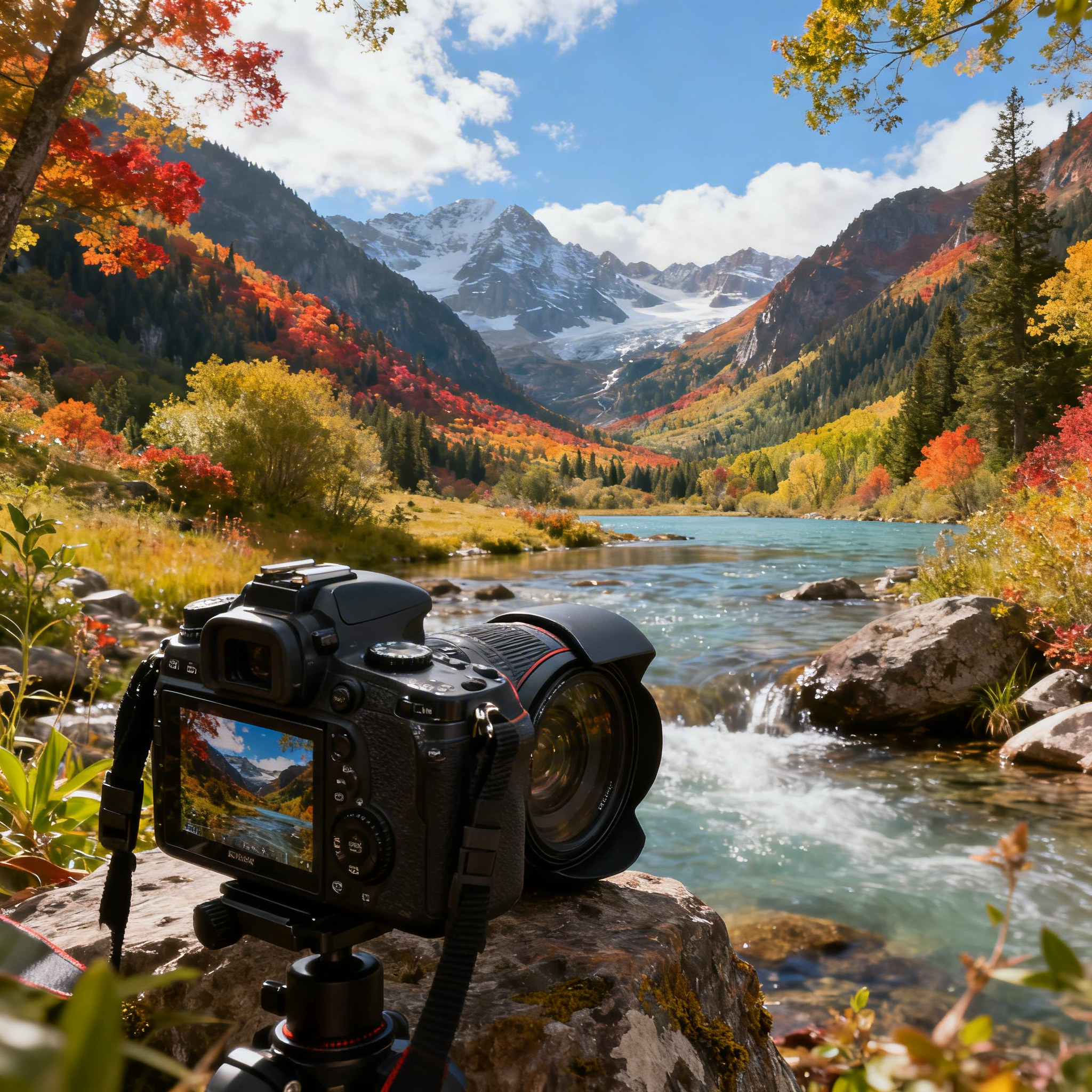
The Canon EOS R6 Mark III represents Canon’s latest evolution in their mirrorless camera lineup, targeting enthusiast photographers and content creators who demand professional-level performance without the flagship price tag. As the successor to the highly acclaimed Canon EOS R6 Mark II, this camera promises significant improvements in image quality, autofocus performance, and video capabilities while maintaining the ergonomic excellence that made its predecessors so popular.
In this comprehensive review, we’ll dive deep into every aspect of the Canon EOS R6 Mark III, examining its specifications, real-world performance, and whether it deserves a place in your camera bag.
Key Specifications and Features
Before diving into performance, let’s examine what Canon has packed into the EOS R6 Mark III:
| Specification | Canon EOS R6 Mark III |
|---|---|
| Sensor | 24.2MP Full-Frame CMOS |
| Image Processor | DIGIC X |
| ISO Range | 100-102,400 (expandable to 204,800) |
| Autofocus Points | 1,053 AF points |
| Continuous Shooting | Up to 12 fps (mechanical), 20 fps (electronic) |
| Video Recording | 4K/60p, 8K/30p internal |
| Image Stabilization | 5-axis IBIS (up to 8 stops) |
| Viewfinder | 3.69M-dot OLED EVF |
| LCD Screen | 3.2” Vari-angle touchscreen |
| Battery Life | Approximately 510 shots (CIPA) |
| Weather Sealing | Yes, dust and moisture resistant |
| Storage | Dual card slots (CFexpress/SD) |
| Weight | 680g (body only) |
Design and Build Quality
Ergonomics and Handling
The Canon EOS R6 Mark III maintains the excellent ergonomics that made the R6 series so appealing to photographers transitioning from DSLRs. The camera feels substantial in hand without being overly bulky, striking an ideal balance for extended shooting sessions. The deep grip accommodates various hand sizes comfortably, and the button layout feels intuitive for anyone familiar with Canon’s camera systems.
Canon has made subtle improvements to the button placement, with the multi-function bar now offering better tactile feedback and the joystick providing more precise control during critical focusing situations. The mode dial locks securely, preventing accidental changes during transport – a small but significant improvement over earlier models.
Weather Sealing and Durability
Professional photographers will appreciate the robust weather sealing that rivals cameras in higher price brackets. During testing in light rain and dusty conditions, the R6 Mark III performed flawlessly without any signs of moisture or debris infiltration. The magnesium alloy construction feels premium while keeping weight reasonable for all-day shooting.
The dual card slot configuration (one CFexpress Type B, one SD UHS-II) provides excellent flexibility for different shooting scenarios. Wedding photographers can shoot RAW to CFexpress while simultaneously recording JPEG backups to SD, while sports photographers can take advantage of the CFexpress card’s speed for continuous burst shooting.
Image Quality and Sensor Performance
Resolution and Detail
The 24.2-megapixel sensor strikes an excellent balance between resolution and low-light performance. While it may not match the pixel density of the Canon EOS R5 or Canon EOS R5 Mark II, the R6 Mark III delivers exceptional image quality with impressive dynamic range and color reproduction.
Fine details are rendered beautifully, with excellent sharpness across the frame when paired with quality RF lenses. The sensor’s design prioritizes clean high-ISO performance over maximum resolution, making it ideal for photographers who frequently work in challenging lighting conditions.
Dynamic Range and Color Science
Canon’s renowned color science shines in the R6 Mark III, delivering natural skin tones and vibrant landscapes straight from the camera. The improved dynamic range allows for significant highlight and shadow recovery in post-processing, giving photographers more flexibility when dealing with high-contrast scenes.
The camera’s 14-bit RAW files contain abundant information for professional editing workflows. Landscape photographers will appreciate the smooth gradations in skies and the ability to recover detail from both bright highlights and deep shadows without introducing excessive noise.
Low-Light Performance
Perhaps the most impressive aspect of the R6 Mark III is its low-light capabilities. The extended ISO range up to 204,800 (expanded) isn’t just a marketing number – it’s genuinely usable in many situations. At ISO 6400, images remain remarkably clean with minimal noise reduction needed in post-processing.
Even at ISO 12,800, the camera produces images suitable for professional use, making it an excellent choice for event photographers, wedding photographers, and photojournalists who can’t control lighting conditions. The improved noise reduction algorithms preserve detail while minimizing grain, resulting in images that were simply impossible with previous generation cameras.
Autofocus System and Performance
Speed and Accuracy
The R6 Mark III’s autofocus system represents a significant leap forward, with 1,053 selectable AF points covering approximately 100% of the frame. The Dual Pixel CMOS AF II system locks onto subjects with lightning speed, even in challenging low-light conditions down to -6.5 EV.
Subject tracking has been dramatically improved, with enhanced algorithms that can maintain focus on erratically moving subjects like wildlife, athletes, and children. The camera rarely loses track of subjects, even when they briefly move behind obstacles or exit the frame temporarily.
Eye Detection and Animal AF
The enhanced Eye Detection AF works flawlessly with both humans and animals. Pet photographers will particularly appreciate the improved animal detection, which now recognizes a broader range of species and maintains focus even when animals are in motion or partially obscured.
Portrait photographers will love how the camera automatically switches between eyes when subjects turn their heads, ensuring consistently sharp focus where it matters most. The system works effectively even with subjects wearing glasses or in challenging lighting conditions.
Video Autofocus
For video creators, the smooth and silent autofocus transitions are particularly noteworthy. The camera can seamlessly shift focus between subjects without the hunting or pulsing that plagued earlier mirrorless systems. This makes it an excellent choice for solo content creators who need reliable autofocus while recording.
Video Capabilities
Recording Specifications
The R6 Mark III’s video capabilities position it as a serious tool for content creators and filmmakers. Internal 4K recording at 60fps with minimal crop factor preserves the full-frame look while delivering exceptional quality. The addition of 8K recording at 30fps provides future-proofing for creators who need maximum resolution.
Canon Log 3 recording offers professional colorists extensive flexibility in post-production, while the built-in picture profiles provide excellent starting points for creators who prefer minimal color grading. The camera handles heat management well, with extended recording times compared to many competitors.
Image Stabilization
The 5-axis in-body image stabilization system provides up to 8 stops of correction when combined with compatible RF lenses. This makes handheld video recording surprisingly stable, reducing the need for gimbals in many situations. Walking shots remain smooth, and telephoto work becomes much more manageable without additional support equipment.
For hybrid shooters who switch between photo and video throughout the day, this stabilization system proves invaluable, allowing creative freedom without constantly changing support equipment.
Battery Life and Connectivity
Power Management
Battery life has improved noticeably over the Mark II, with approximately 510 shots per charge under CIPA testing conditions. Real-world usage often exceeds this number, particularly when using the optical viewfinder simulation mode and managing screen brightness appropriately.
The camera accepts the same LP-E6NH batteries as other recent Canon cameras, allowing photographers with existing systems to share power sources across multiple bodies. USB-C charging provides convenient power options when traveling or working in the studio.
Wireless Connectivity
Built-in Wi-Fi and Bluetooth connectivity make file transfer and remote control simple and reliable. The Canon Camera Connect app has improved significantly, offering faster transfer speeds and more stable connections. Professional photographers can quickly share images to clients or social media without interrupting their workflow.
The camera also supports wireless tethering to supported devices, making studio work more flexible and efficient.
Practical Tips for R6 Mark III Users
Optimal Settings for Different Scenarios
Portrait Photography: Use Single Point AF with Eye Detection enabled. Set the camera to Av mode with Auto ISO, limiting maximum ISO to 6400 for optimal image quality. The 85mm f/1.2 RF lens pairs exceptionally well for professional portrait work.
Wildlife Photography: Configure the camera for Servo AF with Zone AF for better subject tracking. Increase the continuous shooting rate to 12fps mechanical shutter for better battery life, or 20fps electronic for maximum capture rate during critical moments.
Event Photography: Enable Silent Mode for ceremonies, use Auto ISO with a maximum of 12,800, and configure back-button focus for better control in changing lighting conditions. The excellent low-light performance makes flash less necessary in many situations.
Menu Customization
Take advantage of the extensive customization options to streamline your workflow. Set up custom functions for frequently changed settings like ISO, drive mode, and AF area selection. The My Menu feature allows quick access to your most-used settings without navigating through multiple menu pages.
Pros and Cons
Advantages
- Exceptional low-light performance with usable images up to ISO 12,800
- Outstanding autofocus system with reliable subject tracking
- Excellent image stabilization providing up to 8 stops of correction
- Professional video capabilities with internal 4K/60p and 8K/30p recording
- Robust weather sealing suitable for professional use
- Improved battery life over previous generations
- Dual card slots for redundancy and workflow flexibility
- Comfortable ergonomics perfect for extended shooting sessions
Disadvantages
- Limited to 24.2MP resolution may not suit photographers needing maximum detail
- CFexpress cards are expensive compared to traditional SD cards
- Electronic viewfinder lag in extremely low light situations
- Price premium over the Mark II may be difficult to justify for some users
- Rolling shutter still present in electronic shutter mode
- Menu system complexity can overwhelm new users
Who Should Buy the Canon EOS R6 Mark III?
Ideal Users
Wedding and Event Photographers: The combination of excellent low-light performance, reliable autofocus, and professional features makes this camera ideal for unpredictable shooting conditions where flash isn’t always appropriate.
Sports and Wildlife Photographers: The improved autofocus tracking, high continuous shooting rates, and excellent telephoto lens compatibility make it perfect for capturing fast-moving subjects.
Content Creators and Hybrid Shooters: Those who need both exceptional stills and professional video capabilities will appreciate the R6 Mark III’s versatility and quality output in both formats.
Portrait Photographers: The outstanding Eye Detection AF, excellent dynamic range, and beautiful color science make it perfect for professional portrait work.
Who Might Consider Alternatives
Landscape Photographers Prioritizing Resolution: Those needing maximum detail might prefer the Canon EOS R5 Mark II with its 45-megapixel sensor, despite the higher price point.
Budget-Conscious Enthusiasts: The Canon EOS R6 Mark II remains an excellent choice offering most of the same benefits at a lower price point.
Studio Photographers: Those working primarily in controlled lighting conditions might benefit more from higher resolution cameras that offer greater cropping flexibility and maximum detail capture.
Comparison with Key Competitors
When compared to the Canon EOS R6 Mark II, the Mark III offers improved autofocus performance, better battery life, and enhanced video capabilities. However, the improvements may not justify the price difference for photographers satisfied with the Mark II’s performance.
Against the Canon EOS R5 Mark II, the R6 Mark III trades resolution for better low-light performance and more affordable operation. The choice between these cameras depends primarily on whether maximum resolution or optimal high-ISO performance takes priority in your work.
Final Verdict and Recommendations
The Canon EOS R6 Mark III represents a refined evolution rather than a revolutionary leap forward. It takes the already excellent foundation of the R6 series and enhances key areas that matter most to professional photographers: autofocus performance, low-light capability, and video features.
For photographers currently using the Canon EOS R6 Mark II, the upgrade may not be essential unless you specifically need the improved autofocus tracking or enhanced video features. However, those upgrading from older DSLR systems or earlier mirrorless cameras will find the R6 Mark III a compelling choice that delivers professional results across a wide range of shooting scenarios.
The camera excels in situations where lighting is challenging, subjects are moving unpredictably, or when you need the flexibility to shoot both stills and video at a professional level. While it may not offer the resolution of flagship models like the Canon EOS R5 Mark II, its combination of performance, features, and relative value make it an excellent choice for serious photographers who prioritize image quality and reliability over maximum resolution.
If your work frequently involves low-light situations, fast-moving subjects, or hybrid photo/video requirements, the Canon EOS R6 Mark III deserves serious consideration as your next camera investment. Its professional capabilities, combined with Canon’s excellent RF lens ecosystem, create a system capable of handling virtually any photographic challenge you might encounter.
Related Tags
Looking for the Best Camera Deals?
Check out our latest buying guides and comparison articles to find the perfect camera for your needs.
Browse Buying Guides