
Canon G7X vs Sony RX100: Ultimate Compact Camera Battle
Canon G7X vs Sony RX100 comparison review. Find the best compact camera for travel, street photography, and everyday use. Full specs, features analyzed.
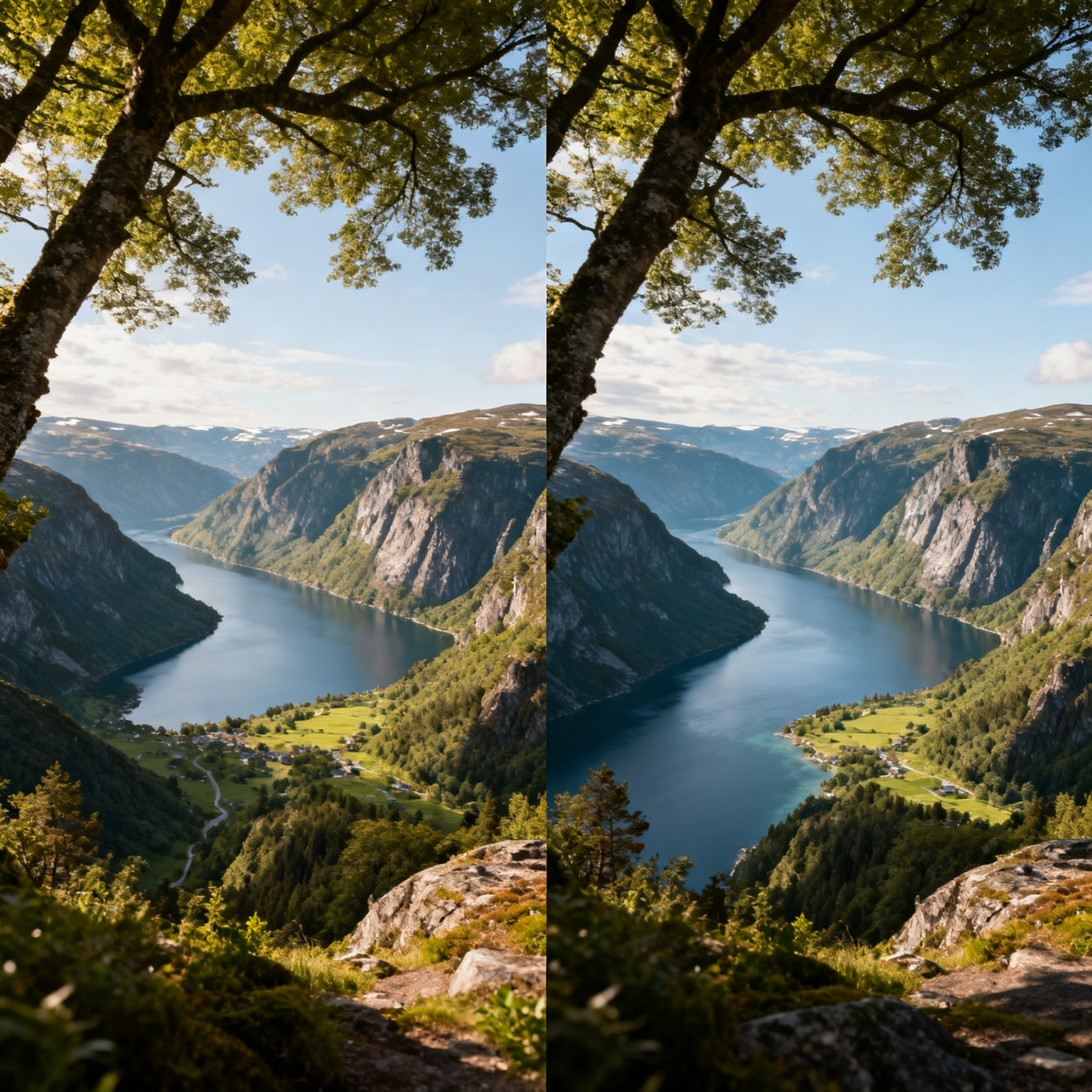
The world of compact cameras has become increasingly competitive, with Canon and Sony leading the charge in delivering professional-quality features in pocket-friendly packages. Two standout models that consistently capture photographers’ attention are the Canon PowerShot G7X series and Sony’s RX100 lineup. Both cameras promise exceptional image quality, portability, and advanced features, but which one truly deserves a spot in your camera bag?
In this comprehensive comparison, we’ll dive deep into the specifications, performance, and real-world capabilities of these compact camera champions. Whether you’re a travel photographer seeking the ultimate portable companion, a content creator needing reliable video capabilities, or an enthusiast wanting a high-quality backup camera, this showdown will help you make an informed decision.
Overview: Two Compact Camera Powerhouses
Canon PowerShot G7X Mark III
Canon’s G7X Mark III represents the latest evolution in their popular compact camera series. Building on the success of its predecessors, this camera combines a large 1-inch sensor with modern connectivity features, making it particularly appealing to content creators and social media enthusiasts. The G7X Mark III stands out with its YouTube Live streaming capability and intuitive touch interface.
Sony RX100 VII
Sony’s RX100 series has been the gold standard for premium compact cameras, and the RX100 VII continues this tradition. Known for exceptional image quality, lightning-fast autofocus, and professional video features, the RX100 VII pushes the boundaries of what’s possible in a pocket-sized camera. Its advanced technology trickles down from Sony’s flagship mirrorless cameras, offering enthusiasts a taste of professional-grade performance.
Detailed Specifications Comparison
| Feature | Canon G7X Mark III | Sony RX100 VII |
|---|---|---|
| Sensor | 20.1MP 1” CMOS | 20.1MP 1” Exmor RS CMOS |
| Lens | 24-100mm f/1.8-2.8 | 24-200mm f/2.8-4.5 |
| Image Stabilization | Optical (lens-based) | Optical (lens-based) |
| Autofocus Points | 31 points | 357 phase-detection points |
| Continuous Shooting | 30 fps (single AF) | 20 fps (continuous AF) |
| Video Recording | 4K/30p, Full HD/120p | 4K/30p, Full HD/960p |
| LCD Screen | 3” flip-up touchscreen | 3” flip-up touchscreen |
| Viewfinder | None | 0.39” OLED EVF |
| Battery Life | 235 shots | 260 shots |
| Weight | 304g | 302g |
| Connectivity | Wi-Fi, Bluetooth | Wi-Fi, Bluetooth |
| Price Range | $700-800 | $1,200-1,400 |
Image Quality Comparison
Sensor Performance
Both cameras feature 20.1-megapixel 1-inch sensors, but their implementations differ significantly. The Canon G7X Mark III uses a traditional CMOS sensor with Canon’s DIGIC 8 processor, delivering excellent color reproduction and dynamic range. Canon’s color science produces warm, pleasing tones that many photographers prefer straight out of camera.
Sony’s RX100 VII employs the more advanced Exmor RS stacked CMOS sensor, which enables faster readout speeds and reduced rolling shutter effects. This translates to better performance in challenging lighting conditions and superior high-speed shooting capabilities. Sony’s color science tends toward more neutral tones, offering greater flexibility in post-processing.
Low Light Performance
In low-light situations, both cameras perform admirably for their size class. The Canon G7X Mark III produces clean images up to ISO 3200, with acceptable quality at ISO 6400. The larger f/1.8 maximum aperture at the wide end provides a slight advantage in extremely dim conditions.
The Sony RX100 VII matches this performance while offering more sophisticated noise reduction algorithms. However, its smaller maximum aperture (f/2.8 at wide) means you’ll need to rely more heavily on higher ISO settings in challenging light.
Dynamic Range
Sony takes the lead in dynamic range, offering approximately 13 stops compared to Canon’s 12 stops. This advantage becomes apparent when shooting high-contrast scenes, allowing for better shadow detail recovery and highlight retention during post-processing.
Lens and Optical Performance
Focal Range
The most significant difference between these cameras lies in their lens coverage. Canon’s 24-100mm equivalent lens offers a practical range for most shooting scenarios, from wide landscapes to moderate telephoto portraits. The constant f/1.8-2.8 aperture provides consistent performance throughout the zoom range.
Sony’s 24-200mm lens delivers exceptional versatility, covering everything from wide-angle architecture to wildlife photography. This extended reach makes it incredibly valuable for travel photography, though the variable f/2.8-4.5 aperture means reduced light-gathering ability at longer focal lengths.
Optical Quality
Both lenses deliver sharp, well-corrected images across their respective ranges. Canon’s lens shows slightly better corner sharpness at wide apertures, while Sony’s lens maintains impressive quality considering its extended zoom range. Both cameras feature effective optical image stabilization, though Sony’s system proves slightly more effective for telephoto work.
Autofocus Performance
Speed and Accuracy
Sony’s RX100 VII dominates in autofocus performance, featuring 357 phase-detection points covering approximately 68% of the frame. The camera can lock focus in as little as 0.02 seconds, making it exceptional for capturing fast-moving subjects or decisive moments.
Canon’s 31-point autofocus system, while less sophisticated on paper, proves reliable and intuitive in real-world use. The touchscreen interface allows for quick focus point selection, and the system excels in good lighting conditions.
Subject Tracking
Sony’s Real-time Eye AF and subject tracking capabilities set it apart from the competition. The camera can reliably track humans, animals, and even birds, making it excellent for portrait and wildlife photography despite its compact size.
Canon’s G7X Mark III offers basic subject tracking, but it’s not as advanced as Sony’s implementation. However, the touch-to-focus functionality partially compensates for this limitation.
Video Capabilities
Recording Quality
Both cameras capture 4K video at 30 frames per second with excellent quality. The Sony RX100 VII offers additional recording options, including Full HD at up to 960fps for dramatic slow-motion effects. Canon’s G7X Mark III provides Full HD recording up to 120fps, which is sufficient for most users.
Video Features
Canon specifically designed the G7X Mark III with content creators in mind, offering direct YouTube Live streaming capability—a unique feature in this category. The flip-up screen and intuitive controls make it ideal for vlogging and social media content creation.
Sony’s video features lean more toward professional applications, with S-Log profiles, time code output, and advanced picture profiles. These features appeal to serious videographers who plan to do extensive post-production work.
Stabilization
Both cameras offer effective optical stabilization for video, though Sony’s system proves slightly more effective for handheld shooting. Neither camera features in-body stabilization, relying entirely on lens-based stabilization.
Build Quality and Ergonomics
Physical Design
Both cameras share similar dimensions and weight, making them truly pocketable options. Canon’s G7X Mark III features a more rounded design with fewer physical controls, emphasizing simplicity and ease of use. The build quality feels solid, though not quite matching Sony’s premium construction.
Sony’s RX100 VII showcases superior build quality with a more substantial feel and weather-resistant construction. The additional physical controls provide more direct access to camera settings, appealing to enthusiast photographers.
User Interface
Canon’s interface emphasizes touch interaction, with most functions accessible through the large, responsive touchscreen. This approach works well for casual shooting and appeals to smartphone users transitioning to dedicated cameras.
Sony maintains a more traditional camera interface with dedicated buttons and menu systems. While this provides more direct control, it can feel overwhelming for beginners. The inclusion of an electronic viewfinder adds significant value for serious photographers.
Battery Life and Connectivity
Power Management
Both cameras offer similar battery life ratings, with Sony’s RX100 VII edging ahead slightly at 260 shots per charge. In real-world use, expect similar performance from both cameras, with video recording and Wi-Fi usage significantly impacting battery life.
Wireless Features
Both cameras include Wi-Fi and Bluetooth connectivity for easy image transfer and remote control. Canon’s implementation feels more streamlined, particularly for social media sharing. Sony’s connectivity works well but requires more setup time initially.
Price and Value Proposition
Canon G7X Mark III Value
Priced around $700-800, the Canon G7X Mark III offers excellent value for content creators and casual photographers. The unique YouTube streaming capability, user-friendly interface, and solid image quality make it an attractive option for those prioritizing ease of use and social media integration.
Sony RX100 VII Value
At $1,200-1,400, the Sony RX100 VII commands a significant premium but justifies it with superior build quality, advanced features, and exceptional performance. The extended zoom range, lightning-fast autofocus, and professional video capabilities make it worthwhile for serious photographers and videographers.
Real-World Usage Scenarios
Travel Photography
For travel photography, both cameras excel but serve different needs. The Canon G7X Mark III’s simpler operation and social media features appeal to casual travelers who want to share experiences quickly. Its lighter weight and longer battery life (in practice) make it ideal for day-long excursions.
The Sony RX100 VII’s extended zoom range proves invaluable for travel photography, eliminating the need for multiple lenses. The superior build quality and weather resistance provide peace of mind in challenging conditions.
Street Photography
Both cameras work well for street photography, though each has distinct advantages. Canon’s silent shooting modes and flip screen make it less conspicuous, while Sony’s lightning-fast autofocus ensures you never miss a decisive moment.
Content Creation
Canon clearly targets content creators with the G7X Mark III, offering features specifically designed for vlogging and live streaming. The interface design and connectivity options streamline the content creation workflow.
Sony’s RX100 VII appeals more to professional content creators who need advanced video features and don’t mind investing time in post-production to achieve the desired results.
Pros and Cons Summary
Canon G7X Mark III
Pros:
- Excellent value for money
- User-friendly touchscreen interface
- YouTube Live streaming capability
- Bright f/1.8-2.8 lens
- Compact, lightweight design
- Good color reproduction
Cons:
- Limited zoom range (24-100mm)
- No electronic viewfinder
- Basic autofocus compared to Sony
- Shorter telephoto reach
- Less robust build quality
Sony RX100 VII
Pros:
- Exceptional autofocus performance
- Extended 24-200mm zoom range
- Superior build quality and weather resistance
- Electronic viewfinder included
- Advanced video features
- Excellent high-speed shooting capabilities
Cons:
- Significantly higher price
- More complex menu system
- Smaller maximum aperture at telephoto end
- Shorter battery life in some conditions
- Steeper learning curve
Which Camera Should You Choose?
The choice between these excellent compact cameras ultimately depends on your specific needs, budget, and shooting style.
Choose the Canon G7X Mark III if you:
- Prioritize ease of use and quick sharing
- Create content for social media platforms
- Want excellent value for money
- Prefer a brighter lens for low-light shooting
- Need YouTube Live streaming capability
- Are transitioning from smartphone photography
Choose the Sony RX100 VII if you:
- Need extended zoom range for versatility
- Demand the fastest autofocus performance
- Shoot in challenging weather conditions
- Require advanced video features
- Appreciate having an electronic viewfinder
- Don’t mind investing in premium features
For most photographers stepping up from smartphones or seeking an excellent travel companion, the Canon G7X Mark III provides outstanding value and performance. Its user-friendly design and content creation features make it particularly appealing for social media enthusiasts and casual photographers.
Serious photographers and videographers who demand the best performance and don’t mind paying for it will find the Sony RX100 VII worth the investment. Its professional features, exceptional build quality, and versatile zoom range make it one of the finest compact cameras ever created.
Final Recommendation
Both cameras represent excellent choices in the premium compact camera market, but they serve different audiences. The Canon G7X Mark III democratizes high-quality photography and content creation, while the Sony RX100 VII pushes the boundaries of what’s possible in a compact form factor.
Consider your budget, intended use, and feature priorities carefully. Both cameras will serve you well, but understanding these differences ensures you choose the one that best matches your photographic journey. For those seeking to upgrade to even more advanced systems, consider exploring options like the Sony A7 IV, Sony A7R V, or Sony A9 III when you’re ready to step into full-frame mirrorless photography.
Ultimately, the best camera is the one you’ll actually carry and use. Both the Canon G7X Mark III and Sony RX100 VII excel in this regard, offering professional-quality results in packages small enough to accompany you anywhere your photographic adventures lead.
Related Tags
Looking for the Best Camera Deals?
Check out our latest buying guides and comparison articles to find the perfect camera for your needs.
Browse Buying Guides