
Canon RF 70-200mm f/2.8 L IS USM Review: Worth the Upgrade?
Complete Canon RF 70-200mm f/2.8 L IS USM review covering image quality, autofocus performance, build quality, and real-world shooting tests.
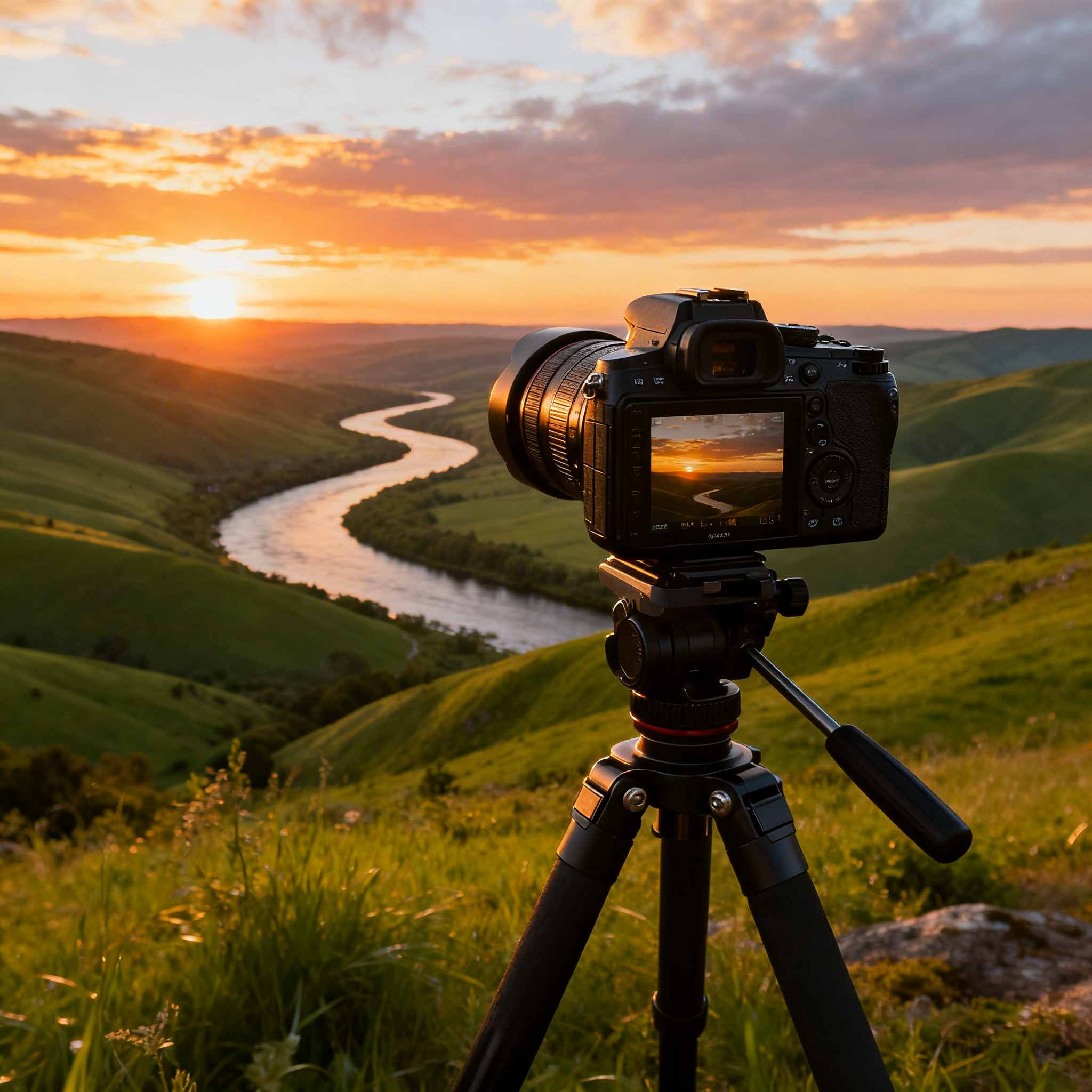
The Canon RF system has been making waves in the photography world since its introduction, and one lens that has particularly caught the attention of professionals and enthusiasts alike is the Canon RF 70-200mm f/2.8 L IS USM. This telephoto zoom lens represents Canon’s commitment to pushing the boundaries of optical engineering while maintaining the exceptional quality that the L-series is known for.
Overview and First Impressions
The Canon RF 70-200mm f/2.8 L IS USM is a significant departure from its EF counterpart, featuring a revolutionary retractable design that makes it considerably more compact when not in use. At first glance, this lens might seem smaller than expected for a professional 70-200mm f/2.8, and that’s exactly the point. Canon has managed to create a lens that offers professional-grade performance while addressing one of the biggest complaints about telephoto zooms: their size and weight.
When you first handle this lens, the build quality is immediately apparent. The familiar white finish of Canon’s L-series telephotos has been replaced with a more understated black and gray design, but the premium feel remains unchanged. The lens extends significantly when zoomed to 200mm, which might take some getting used to if you’re coming from a traditional telephoto design.
Technical Specifications
| Specification | Details |
|---|---|
| Focal Length | 70-200mm |
| Maximum Aperture | f/2.8 (constant) |
| Minimum Aperture | f/22 |
| Lens Construction | 23 elements in 18 groups |
| Special Elements | 4 UD elements, 1 fluorite element |
| Image Stabilization | 5-stop optical IS |
| Autofocus Motor | Dual Nano USM |
| Minimum Focus Distance | 0.7m (2.3 ft) |
| Maximum Magnification | 0.23x |
| Filter Thread | 77mm |
| Weight | 1,070g (2.36 lbs) |
| Dimensions | 89.9 x 146mm (retracted) |
| Weather Sealing | Yes |
Optical Performance and Sharpness
Center and Corner Sharpness
The optical performance of the RF 70-200mm f/2.8 is nothing short of exceptional. At the center of the frame, this lens delivers tack-sharp images right from f/2.8 across the entire zoom range. This is a significant achievement, as many zoom lenses struggle to maintain consistent sharpness at their maximum aperture, particularly at the longer focal lengths.
Corner sharpness is equally impressive, with only minimal softness visible at f/2.8 that completely disappears by f/4. This level of edge-to-edge sharpness makes the lens suitable for a wide range of applications, from portraits where you need that subject isolation to landscapes where corner detail is crucial.
Chromatic Aberration Control
One of the standout features of this lens is its exceptional control of chromatic aberrations. The combination of fluorite and Ultra-low Dispersion (UD) elements virtually eliminates color fringing, even in high-contrast situations. When shooting against bright backgrounds or in challenging lighting conditions, the lens maintains clean, color-accurate images with minimal post-processing required.
Distortion and Vignetting
Barrel distortion is well-controlled throughout the zoom range, with only minor distortion at 70mm that’s easily correctable in post-processing. Vignetting is present at f/2.8, particularly at the wider end of the zoom range, but it’s not excessive and can add a pleasing natural falloff to portraits. Stop down to f/4, and vignetting becomes negligible.
Bokeh Quality and Background Rendering
The bokeh produced by this lens is simply gorgeous. The 9-blade circular aperture creates beautifully smooth out-of-focus areas that complement the sharp in-focus subjects perfectly. Background highlights are rendered as smooth circles without harsh edges or onion ring effects that can plague some lenses.
The quality of bokeh remains consistent throughout the zoom range, though the character does subtly change. At 70mm, the bokeh has a softer, more gradual transition, while at 200mm, it becomes more pronounced with better subject isolation due to the longer focal length’s natural compression effect.
For portrait photographers, this lens excels at creating that coveted shallow depth of field that makes subjects pop from their backgrounds. The smooth bokeh transition helps create a three-dimensional quality to images that’s particularly flattering for people photography.
Autofocus Performance
Speed and Accuracy
The Dual Nano USM autofocus system in this lens is impressively fast and accurate. Lock-on times are nearly instantaneous in good light, and the lens maintains excellent performance even as lighting conditions deteriorate. The autofocus is virtually silent, making it ideal for video work and situations where discretion is important.
When paired with Canon’s latest R-series bodies, the autofocus performance becomes even more impressive. The communication between lens and body is seamless, and features like Eye Detection AF work flawlessly with this lens.
Tracking Performance
For sports and wildlife photography, the tracking performance is exceptional. The lens locks onto moving subjects quickly and maintains focus even with erratic movement patterns. The internal focusing system means the lens doesn’t change length during focus adjustments, making it easier to handle and more weather-sealed.
Build Quality and Handling
Construction and Durability
The build quality of the RF 70-200mm f/2.8 meets the high standards expected from Canon’s L-series lenses. The lens barrel is constructed from high-grade materials with appropriate weather sealing throughout. The extending barrel mechanism feels solid and precise, with no wobble or play even when fully extended.
The white fluorine coating on the front element helps repel dust, water, and oil, making cleaning easier and more effective. This attention to practical details shows Canon’s understanding of how professional photographers use their equipment in challenging conditions.
Ergonomics and Controls
The lens features Canon’s familiar control layout with a focus/manual switch and image stabilization controls. The zoom ring is smooth and well-damped, allowing for precise focal length adjustments. The focus ring has an appropriate amount of resistance and throw for manual focus work.
One thoughtful design element is the position of the zoom ring, which remains accessible even when using larger camera bodies with battery grips. The lens balance on Canon R-series bodies is excellent, creating a comfortable shooting experience even during extended use.
Image Stabilization
The 5-stop optical image stabilization system in this lens is highly effective and operates in multiple modes. Standard stabilization works well for general photography, while the second mode is optimized for panning shots. The stabilization is smooth and doesn’t create the jarring lock-on effect that some systems exhibit.
In real-world use, the image stabilization easily allows for handheld shooting at shutter speeds that would normally require a tripod. At 200mm, sharp images are achievable at 1/60th of a second or even slower with good technique.
Real-World Applications
Portrait Photography
This lens truly shines in portrait work. The combination of the 70-200mm focal length range and f/2.8 maximum aperture provides excellent subject isolation while maintaining flattering perspective. The smooth bokeh and excellent color rendition make it ideal for both individual portraits and group shots.
The ability to work at longer distances is particularly valuable when photographing children or shy subjects, as it allows for more natural expressions without the photographer being intrusive.
Sports and Action Photography
For sports photography, this lens delivers professional results. The fast, accurate autofocus combined with excellent image stabilization makes it possible to capture sharp action shots even in challenging conditions. The consistent f/2.8 aperture throughout the zoom range is crucial for maintaining fast shutter speeds in indoor sports venues.
Wildlife Photography
While not as long as dedicated wildlife lenses, the 200mm reach combined with excellent optical quality makes this lens suitable for wildlife work, particularly when shooting larger subjects or when working from blinds. The image stabilization is particularly valuable when shooting handheld from unstable positions.
Wedding and Event Photography
The versatility of the 70-200mm focal length range makes this lens indispensable for wedding and event photography. The ability to capture both intimate moments and wider scenes without changing lenses, combined with excellent low-light performance, makes it a go-to choice for many professional photographers.
Comparison with Alternatives
When compared to the EF 70-200mm f/2.8L IS III, the RF version offers superior optical performance and better image stabilization, though the extending design may not appeal to all photographers. The size and weight reduction when retracted is significant, making it more travel-friendly.
Against third-party alternatives, the Canon RF 70-200mm maintains competitive pricing while offering superior integration with Canon bodies and proven reliability that professional photographers depend on.
If you’re looking for a more versatile option for general photography, the Canon RF 24-70mm f/2.8L IS USM provides a different focal length range that might better suit everyday photography needs, though it lacks the telephoto reach for sports and wildlife work.
Practical Tips for Best Results
Maximizing Sharpness
While this lens is sharp wide open, stopping down to f/4 will provide that extra bit of sharpness and contrast that can make the difference in critical applications. For landscapes or architectural photography where maximum detail is crucial, f/5.6 to f/8 will provide optimal results.
Managing the Extending Design
The extending design requires some adjustment in handling technique. When shooting in dusty environments, be mindful of the extending barrel potentially drawing dust into the lens mechanism. Always extend the lens slowly and deliberately, and consider keeping the lens at full extension in challenging environments.
Image Stabilization Settings
Experiment with the different IS modes to find what works best for your shooting style. The standard mode works well for most situations, but the panning mode can create more dynamic images when following moving subjects.
Conclusion and Recommendations
The Canon RF 70-200mm f/2.8 L IS USM represents a significant achievement in lens design and optical engineering. Canon has successfully created a professional-grade telephoto zoom that doesn’t compromise on image quality while offering practical advantages in size and weight.
Who Should Buy This Lens:
- Professional photographers who need reliable telephoto performance
- Portrait photographers looking for excellent subject isolation
- Sports and wildlife photographers who value fast, accurate autofocus
- Anyone seeking the best optical quality in the RF system’s telephoto range
Who Might Consider Alternatives:
- Photographers who prioritize the fastest possible autofocus above all else
- Those who prefer non-extending lens designs
- Budget-conscious users who don’t need professional-grade features
The lens delivers exceptional optical performance, professional build quality, and innovative design features that make it a worthy investment for serious photographers. While the extending design may take some adjustment, the optical results and practical benefits make this one of the standout lenses in Canon’s RF lineup.
For photographers already invested in the Canon R system, this lens represents an essential addition to the kit, particularly for those specializing in portraits, sports, or any application where telephoto reach and professional image quality are paramount. The combination of optical excellence, practical features, and Canon’s proven reliability makes the RF 70-200mm f/2.8 L IS USM a lens that will serve photographers well for years to come.
Related Tags
Looking for the Best Camera Deals?
Check out our latest buying guides and comparison articles to find the perfect camera for your needs.
Browse Buying Guides