
Food Photography Lighting Setup Guide: Pro Tips & Techniques
Master food photography lighting with our complete setup guide. Learn natural light techniques, studio setups, and pro tips to capture stunning food photos.
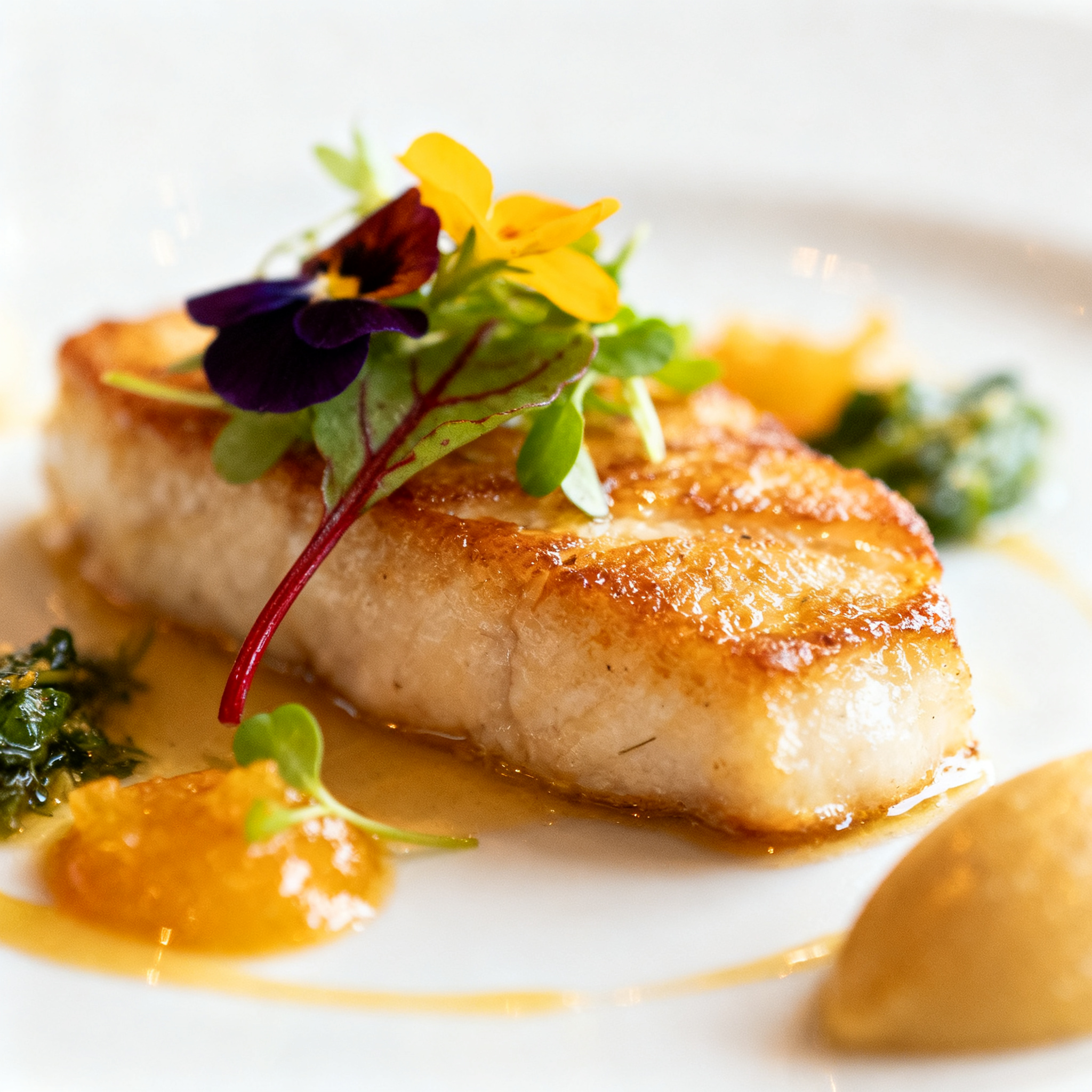
Why Proper Lighting Makes or Breaks Food Photography
Food photography is one of the most challenging yet rewarding genres of photography, and lighting is absolutely crucial to success. The difference between a mouth-watering image that stops viewers mid-scroll and a flat, unappetizing photo often comes down to how well you’ve controlled and shaped your light.
Poor lighting can make even the most delicious dish look unappetizing, while proper lighting techniques can transform simple ingredients into stunning visual feasts. Whether you’re a restaurant owner looking to showcase your menu, a food blogger building your brand, or an aspiring photographer wanting to master this craft, understanding lighting setups is essential.
In this comprehensive guide, we’ll explore everything from natural light techniques to advanced artificial lighting setups, giving you the tools to create consistently stunning food photographs.
Understanding Natural Light for Food Photography
The Golden Hour Advantage
Natural light remains the most flattering and accessible option for food photography. The best natural light occurs during the “golden hours” - roughly one hour after sunrise and one hour before sunset. During these times, the sun sits lower in the sky, creating soft, warm, and directional light that’s perfect for food photography.
However, you don’t need to limit yourself to these specific times. Overcast days provide beautifully diffused natural light throughout the day, acting like a giant softbox in the sky. This even, shadowless lighting is ideal for capturing food details without harsh contrasts.
Window Light Setup Techniques
Position your shooting table perpendicular to a large window for the most versatile natural light setup. This creates side lighting that adds dimension and texture to your food while maintaining enough fill light to prevent deep shadows.
Step-by-Step Window Light Setup:
- Choose a north-facing window for consistent, soft light throughout the day
- Position your table 2-3 feet from the window
- Place your food subject closest to the window
- Use a white foam board or reflector on the opposite side to fill in shadows
- Adjust the reflector distance to control shadow intensity
Controlling Natural Light
Even with perfect natural light, you’ll often need to modify it. White poster boards, foam core, or professional reflectors can bounce light into shadow areas. For reducing harsh sunlight, sheer curtains or diffusion panels work wonderfully to soften direct sunlight.
Artificial Lighting Equipment Essentials
Continuous vs. Strobe Lighting
For food photography, continuous lighting often works better than strobes, especially for beginners. You can see exactly how the light falls on your subject in real-time, making adjustments easier and more intuitive.
Continuous Light Advantages:
- What you see is what you get (WYSIWYG)
- Easier to control and adjust
- Better for video content creation
- No timing issues with camera sync
Strobe Light Advantages:
- More powerful output
- Less heat generation
- Longer bulb life
- Better for freezing motion
Essential Equipment List
Basic Artificial Lighting Kit:
- 2-3 continuous LED panels or softbox lights
- Light stands (minimum 3)
- Reflectors (white, silver, gold)
- Diffusion materials (softboxes, umbrellas, or diffusion panels)
- Flag or barn doors for light control
- Extension cords and power strips
Camera Considerations: The Sony A7 IV excels in food photography scenarios, offering excellent low-light performance and accurate color reproduction that’s crucial for appetizing food images.
| Specification | Sony A7 IV |
|---|---|
| Resolution | 33MP Full-Frame |
| ISO Range | 100-51,200 (expanded to 204,800) |
| Image Stabilization | 5-axis in-body |
| Video Capabilities | 4K 60p |
| Best for Food Photography | Excellent color accuracy, great low-light performance |
Three-Point Lighting Setup for Food Photography
Key Light Positioning
The key light serves as your main light source and should typically come from a 45-degree angle above and to the side of your food. This creates natural-looking shadows that add depth and dimension to your subject.
Key Light Setup Steps:
- Position your main light at a 45-degree angle from your subject
- Elevate the light approximately 45 degrees above the food
- Use a softbox or diffuser to create soft, even illumination
- Adjust power to achieve proper exposure on your main subject
Fill Light Techniques
The fill light reduces harsh shadows created by the key light without eliminating them entirely. Position your fill light on the opposite side of the key light, typically at a lower power setting.
Fill Light Guidelines:
- Use 1/2 to 1/4 the power of your key light
- Position opposite the key light
- Keep it at table level or slightly below
- Use a larger diffuser for broader, softer fill
Background and Rim Lighting
Background lighting separates your food from the background, while rim lighting creates attractive edge highlights that make your subject pop.
Background Light Setup:
- Position a light behind your subject, aimed at the background
- Use flags or barn doors to prevent light spill onto your food
- Adjust power to create separation without overexposure
- Consider colored gels for mood and atmosphere
Advanced Lighting Techniques
Creating Mood with Color Temperature
Different color temperatures evoke different emotions and suit different types of food. Warm light (2700K-3200K) works beautifully for comfort foods, baked goods, and cozy restaurant atmospheres. Cool light (5000K-6500K) suits fresh salads, seafood, and modern culinary presentations.
Light Modifiers and Their Effects
Softboxes create soft, even light with gradual shadow transitions. They’re perfect for general food photography and beauty shots of desserts or perfectly plated dishes.
Beauty dishes provide a balance between soft and hard light, offering gentle shadows with more defined edges. They’re excellent for adding texture to bread, steaks, or foods where you want to emphasize surface details.
Strip lights create long, narrow light sources perfect for side-lighting bottles, tall foods, or creating dramatic edge lighting effects.
Practical Lighting Ratios
Understanding lighting ratios helps create consistent, professional-looking results:
- 1:1 Ratio (key and fill equal): Soft, even lighting with minimal shadows
- 2:1 Ratio (key twice as bright as fill): Gentle shadows with good detail retention
- 4:1 Ratio (key four times brighter): More dramatic shadows, higher contrast
- 8:1+ Ratio: Very dramatic, moody lighting with deep shadows
Camera Settings for Different Lighting Scenarios
Natural Light Settings
When shooting in natural light, your settings will vary based on available light intensity and your desired depth of field.
Recommended Settings:
- Aperture: f/5.6 to f/8 for good depth of field with sharp details
- ISO: Keep as low as possible (100-400) for maximum image quality
- Shutter Speed: Use a tripod for anything slower than 1/60s
- White Balance: Daylight (5600K) or custom white balance for accuracy
Artificial Light Settings
Artificial lighting gives you more control over exposure settings, allowing for more creative freedom.
Studio Light Settings:
- Aperture: f/8 to f/11 for maximum sharpness across the frame
- ISO: 100-200 for minimal noise
- Shutter Speed: 1/125s or faster to avoid camera shake
- White Balance: Match your light source (typically 3200K for tungsten, 5600K for LED daylight)
Managing Mixed Lighting
When combining natural and artificial light, white balance becomes critical. Consider:
- Gelling your artificial lights to match natural light color temperature
- Using custom white balance settings
- Shooting in RAW format for maximum post-processing flexibility
Common Lighting Mistakes and Solutions
Harsh Shadows Problem
Problem: Deep, unflattering shadows that hide food details Solution: Increase fill light, move lights further away, or use larger light modifiers
Flat, Dimensionless Images
Problem: Even lighting that makes food appear flat and unappetizing Solution: Increase the ratio between key and fill light, add rim lighting, or change key light angle
Color Cast Issues
Problem: Food appears too warm, cool, or has mixed color temperatures Solution: Use consistent light sources, set proper white balance, or use color correction gels
Overexposed Highlights
Problem: Blown-out highlights on shiny or wet food surfaces Solution: Reduce light power, use polarizing filters, or adjust light angles to minimize reflections
Lighting for Different Types of Food
Beverages and Liquids
Beverages require special attention to prevent unwanted reflections while highlighting their appealing qualities.
Technique Tips:
- Use rim lighting to show carbonation or texture
- Position lights to avoid reflections in glassware
- Consider backlighting for translucent drinks
- Use flags to control reflections on liquid surfaces
Baked Goods and Desserts
Baked goods benefit from warm, soft lighting that emphasizes their comforting nature.
Setup Recommendations:
- Use warm color temperature (2700K-3200K)
- Soft, diffused key light to show texture without harsh shadows
- Consider top lighting for flat desserts like pies or cakes
- Add steam or dust flour for atmosphere
Fresh Produce and Salads
Fresh foods look best with clean, crisp lighting that emphasizes their freshness.
Lighting Strategy:
- Use cooler color temperatures (4000K-5600K)
- High key lighting with minimal shadows
- Consider misting produce for freshness appeal
- Use clean, white backgrounds and reflectors
Post-Processing Lighting Adjustments
RAW Processing Advantages
Shooting in RAW format provides maximum flexibility for correcting lighting issues in post-processing. You can adjust white balance, recover highlight and shadow detail, and fine-tune exposure without degrading image quality.
Essential Lighting Adjustments
Key Adjustments:
- White Balance: Correct color temperature and tint
- Exposure: Fine-tune overall brightness
- Highlights/Shadows: Balance contrast and recover detail
- Clarity/Texture: Enhance food surface details
- Vibrance/Saturation: Make colors more appealing
Local Adjustments
Use masking tools to make selective lighting adjustments:
- Brighten specific food elements
- Darken distracting background areas
- Add warmth to specific areas
- Create gradient lighting effects
Budget-Friendly DIY Lighting Solutions
Natural Light Enhancers
DIY Reflectors:
- White poster board or foam core for soft fill light
- Aluminum foil on cardboard for harder, more specular reflection
- Mirrors for precise light direction
Light Diffusers:
- Sheer curtains or white fabric
- Parchment paper for small light sources
- White shower curtain for large diffusion panels
Artificial Light Alternatives
Household Light Sources:
- LED desk lamps with adjustable arms
- Construction work lights with daylight LED bulbs
- Photography umbrellas with standard light bulbs
Light Modifiers:
- White lampshades for softening
- Cardboard flags for controlling light spill
- White walls and ceilings as natural bounce surfaces
Building Your Food Photography Lighting Kit
Starter Kit ($200-$400)
For beginners, start with essential items that provide maximum versatility:
- 2 continuous LED panel lights
- Basic light stands
- White reflectors and foam boards
- Extension cords
Intermediate Kit ($400-$800)
As you advance, add more control and quality:
- Softboxes and diffusion modifiers
- Additional background lights
- Light meters for precise exposure
- The Sony A7 IV for superior image quality
Professional Kit ($800+)
Professional food photographers invest in:
- High-quality strobe systems
- Variety of light modifiers
- Precision light stands and boom arms
- Color temperature meters
- Specialized food photography accessories
Conclusion and Final Recommendations
Mastering food photography lighting is a journey that combines technical knowledge with artistic vision. Start with natural light to understand how light shapes and defines your subjects, then gradually incorporate artificial lighting for greater control and consistency.
The key principles to remember are:
- Quality over quantity - One well-positioned light source often works better than multiple poorly placed lights
- See the shadows - Shadows create depth and dimension that make food look appetizing
- Match your mood - Choose lighting that complements the story you’re trying to tell
- Practice consistently - Experiment with different setups to develop your personal style
Whether you’re working with a simple window light setup or a complex studio arrangement, the fundamentals remain the same. Focus on creating dimensional lighting that enhances your food’s natural beauty while maintaining the appetite appeal that makes viewers want to take a bite.
Remember that the best camera settings and most expensive equipment won’t compensate for poor lighting. Master these lighting techniques, and you’ll see dramatic improvements in your food photography, regardless of your current skill level or budget. The investment in understanding light will pay dividends in every photograph you create.
Related Tags
Looking for the Best Camera Deals?
Check out our latest buying guides and comparison articles to find the perfect camera for your needs.
Browse Buying Guides