
Golden Hour Photography Tips: Camera Settings & Techniques
Master golden hour photography with expert tips on camera settings, composition techniques, and timing. Learn to capture stunning warm light portraits and landscapes.
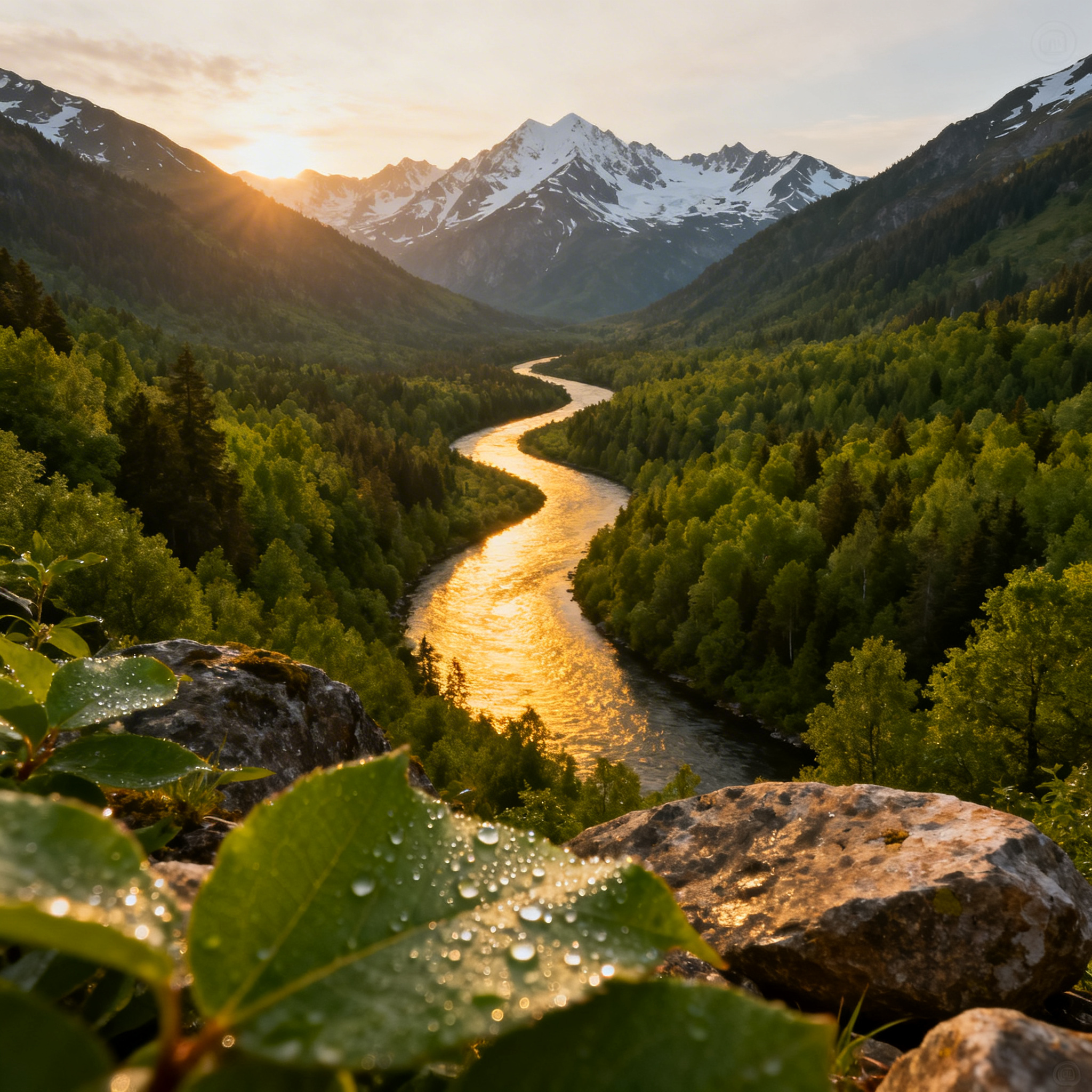
Understanding Golden Hour: The Magic of Natural Light
Golden hour photography represents one of the most sought-after techniques in the photographer’s toolkit. This magical time occurs twice daily – shortly after sunrise and before sunset – when the sun sits low on the horizon, casting warm, soft light that transforms ordinary scenes into extraordinary images.
The golden hour earned its name from the distinctive warm color temperature that ranges between 2,500K to 3,500K, compared to daylight’s cooler 5,500K. This warmer light reduces harsh shadows, creates even illumination, and adds a romantic, dreamy quality to photographs that’s nearly impossible to replicate artificially.
Unlike the harsh midday sun that creates unflattering shadows and blown-out highlights, golden hour light wraps around subjects naturally. The sun’s low angle means light travels through more atmosphere, which acts as a natural diffuser, softening the intensity and creating that coveted golden glow.
The Science Behind Golden Hour Lighting
Color Temperature and Atmospheric Effects
During golden hour, sunlight passes through significantly more atmospheric particles than at midday. This increased atmospheric distance filters out blue wavelengths while allowing warmer red and orange tones to dominate. The result is naturally warm, flattering light that enhances skin tones and adds visual interest to landscapes.
The angle of the sun also plays a crucial role. When positioned 6 degrees or less above the horizon, the sun creates long, dramatic shadows that add depth and dimension to your images. This side-lighting effect brings out textures in landscapes and creates rim lighting around subjects.
Calculating Golden Hour Times
Golden hour timing varies significantly based on your geographic location and season. Generally, it occurs:
- Morning: 15-30 minutes after sunrise
- Evening: 30-60 minutes before sunset
Use photography apps like PhotoPills or Sun Surveyor to calculate precise golden hour times for your location. These apps also show sun direction, helping you plan compositions in advance.
Essential Camera Settings for Golden Hour Photography
Manual Mode Mastery
Golden hour lighting changes rapidly, making manual mode your best choice for consistent results. Auto mode often struggles with the mixed lighting conditions, potentially underexposing your subject or overcompensating for the bright sky.
Recommended Starting Settings:
- ISO: 100-400 (keep as low as possible)
- Aperture: f/5.6-f/8 for landscapes, f/1.8-f/2.8 for portraits
- Shutter Speed: Varies based on subject and desired effect
ISO Settings and Noise Management
Start with your camera’s base ISO (typically 100) to maintain maximum image quality. As light fades during golden hour, gradually increase ISO rather than opening your aperture too wide if you need depth of field. Modern cameras like the Sony A7 IV handle ISO 1600-3200 exceptionally well, giving you flexibility as conditions change.
Aperture Considerations
Your aperture choice depends entirely on your subject and creative intent:
For Landscapes:
- Use f/8-f/11 for maximum sharpness across the frame
- Consider focus stacking for extreme foreground-to-background sharpness
- Avoid f/16 or smaller to prevent diffraction
For Portraits:
- f/1.4-f/2.8 creates beautiful background bokeh
- f/4-f/5.6 provides more depth of field for group shots
- Consider the golden light as natural fill light for your subject
Shutter Speed Strategies
Shutter speed becomes critical during golden hour, especially as light levels drop:
- Static Subjects: Use your lens’s reciprocal rule (1/focal length) as a starting point
- Moving Subjects: Maintain 1/250s or faster to freeze motion
- Creative Motion: Experiment with slower speeds (1/60s-1/30s) for intentional blur effects
Step-by-Step Golden Hour Photography Workflow
Pre-Shoot Planning
Step 1: Scout Your Location Visit your intended shooting location during different times to understand how light interacts with the environment. Note potential obstacles like buildings or trees that might block the sun.
Step 2: Check Weather Conditions Partially cloudy skies often produce the most dramatic golden hour light. Clear skies provide consistent illumination, while heavy clouds can block the golden light entirely.
Step 3: Arrive Early Reach your location 45-60 minutes before golden hour begins. This gives you time to set up equipment, compose shots, and adjust settings as conditions change.
During the Shoot
Step 4: Start with Test Shots Take several test images to establish your baseline exposure. Use your camera’s histogram to ensure you’re not losing detail in highlights or shadows.
Step 5: Monitor Light Direction Golden hour light changes direction constantly. Reposition yourself or your subject to maintain optimal lighting as the sun moves.
Step 6: Bracket Your Exposures Even with perfect metering, bracket your shots (-1, 0, +1 EV) to ensure you capture the full dynamic range of the scene.
Composition Techniques
Step 7: Use Backlighting Creatively Position subjects between you and the sun to create rim lighting effects. This technique works exceptionally well for portraits and silhouettes.
Step 8: Include Foreground Elements Golden hour light beautifully illuminates foreground objects in landscape photography. Use rocks, flowers, or architectural elements to add depth and interest.
Step 9: Experiment with Angles Don’t just shoot at eye level. Get low to emphasize foreground textures or shoot from elevated positions to capture the golden light’s effect on the broader landscape.
Metering and Exposure Techniques
Spot Metering for Precision
Switch to spot metering mode for greater control over exposure, especially when dealing with high contrast scenes. Meter off your main subject rather than the bright sky or dark shadows.
For portraits, meter directly off your subject’s face. For landscapes, use the zone system approach: meter off a middle-tone area that represents 18% gray in your scene.
Handling Dynamic Range
Golden hour scenes often exceed your camera’s dynamic range capabilities. Here’s how to handle challenging lighting:
Graduated Neutral Density Filters: Use 2-3 stop graduated ND filters to balance bright skies with darker foregrounds. Position the filter’s transition line along the horizon for natural-looking results.
HDR Techniques: Capture multiple exposures (-2, 0, +2 EV) and blend them in post-processing. Modern cameras offer in-camera HDR modes, but manual bracketing provides more control.
Exposure Blending: Take separate exposures for sky and foreground, then blend them manually in Photoshop or specialized software like Luminosity Masks.
Subject-Specific Golden Hour Techniques
Portrait Photography
Golden hour transforms portrait photography by providing naturally flattering light. Position your subject so the golden light acts as a large, soft key light.
Key Techniques:
- Use reflectors to fill in shadows on the opposite side of the golden light
- Position subjects 45 degrees to the sun for classic Rembrandt lighting
- Shoot with the sun behind your subject for dramatic rim lighting effects
- Consider using a wide aperture (f/1.4-f/2.8) to separate subjects from backgrounds
Landscape Photography
Landscapes benefit enormously from golden hour’s warm, directional light that emphasizes textures and creates depth through shadows.
Essential Approaches:
- Include water features to reflect golden light and add visual interest
- Use leading lines enhanced by long shadows to guide viewers through the frame
- Capture both wide establishing shots and intimate details illuminated by golden light
- Consider vertical compositions to emphasize dramatic skies
Architecture and Urban Photography
Golden hour transforms urban environments, warming cold concrete and glass while creating interesting shadow patterns.
Urban Photography Tips:
- Look for buildings that catch and reflect golden light
- Use shadows cast by structures to create geometric patterns
- Capture street scenes with golden light filtering between buildings
- Consider silhouettes of city skylines against golden skies
Common Golden Hour Photography Mistakes
Overexposing Highlights
The bright, warm light can easily fool your camera’s meter into underexposing the overall scene while still blowing out bright areas. Regularly check your histogram and use highlight warnings to prevent losing detail in the brightest areas.
Ignoring White Balance
Auto white balance often overcorrects golden hour’s natural warmth, leaving images looking too cool. Set a custom white balance or shoot in RAW format to maintain full control over color temperature in post-processing.
Poor Focus in Low Light
As golden hour progresses into blue hour, autofocus systems struggle with reduced contrast and light. Switch to single-point autofocus and use live view magnification for critical focus on static subjects.
Not Adapting to Changing Conditions
Golden hour light changes rapidly – what works at the beginning won’t necessarily work 20 minutes later. Continuously adjust your settings and compositions as conditions evolve.
Post-Processing Golden Hour Images
RAW Processing Fundamentals
Always shoot in RAW format during golden hour to maximize your post-processing flexibility. RAW files contain significantly more color and tonal information than JPEGs, crucial for handling golden hour’s complex lighting.
Essential RAW Adjustments:
- Fine-tune white balance to enhance or reduce warmth as desired
- Adjust highlights and shadows to reveal detail without losing the natural contrast
- Use graduated filters in Lightroom to balance sky and foreground exposures
- Enhance the golden tones using HSL (Hue, Saturation, Luminance) adjustments
Color Grading for Enhancement
Golden hour images benefit from subtle color grading that enhances the natural warmth without over-processing:
- Boost orange and yellow saturation moderately (10-20%)
- Add slight magenta tints to shadows for complementary color contrast
- Use luminosity masks to selectively enhance different tonal ranges
- Maintain realistic skin tones in portraits while enhancing the overall golden atmosphere
Equipment Recommendations for Golden Hour Photography
Camera Bodies
Modern mirrorless cameras excel in golden hour conditions due to their excellent dynamic range and low-light performance. The Sony A7 IV represents an excellent choice for golden hour photography, offering:
- 33MP full-frame sensor with excellent dynamic range
- Outstanding low-light performance up to ISO 3200
- Advanced metering system that handles mixed lighting well
- 5-axis in-body stabilization for handheld shooting as light fades
Lens Considerations
For Landscapes:
- 16-35mm f/2.8 lenses provide wide perspectives with good low-light capability
- 24-70mm f/2.8 offers versatility for both landscapes and portraits
- Prime lenses like 20mm f/1.8 or 35mm f/1.4 provide maximum sharpness and light-gathering
For Portraits:
- 85mm f/1.4 or f/1.8 lenses create beautiful bokeh and subject isolation
- 50mm f/1.4 offers natural perspective and excellent low-light performance
- 135mm f/1.8 provides compression and stunning background blur
Essential Accessories
Tripods: Stable support becomes crucial as light fades. Choose carbon fiber for lighter weight during location shoots.
Filters: Graduated neutral density filters help balance exposure between bright skies and darker foregrounds without multiple exposures.
Reflectors: 5-in-1 reflectors provide fill light options and can warm or cool the existing golden light as needed.
Advanced Golden Hour Techniques
Focus Stacking for Landscapes
When shooting landscapes during golden hour with wide apertures for maximum light gathering, focus stacking ensures sharp detail from foreground to background:
- Set your camera on a sturdy tripod
- Use manual focus and take multiple shots, adjusting focus point incrementally
- Blend the sharp areas from each image in post-processing
- Maintain consistent exposure settings throughout the sequence
Time-lapse Photography
Golden hour’s constantly changing light makes it perfect for time-lapse sequences:
- Use interval timer mode with 2-5 second intervals
- Shoot in manual mode to prevent exposure flickering
- Consider ramping exposure as light levels change dramatically
- Plan for 2-3 hour sequences to capture the full golden hour transition
Seasonal Considerations for Golden Hour
Summer Golden Hour
Summer’s high sun angle creates shorter but more intense golden hour periods. The sun sets further north, offering different directional lighting opportunities.
Summer Strategies:
- Golden hour may last only 20-30 minutes
- Higher temperatures can create heat shimmer effects
- Longer daylight hours push golden hour later in the evening
- Consider shooting at higher elevations for extended golden hour duration
Winter Golden Hour
Winter’s low sun angle extends golden hour duration significantly, sometimes lasting over an hour.
Winter Advantages:
- Longer golden hour periods provide more shooting opportunities
- Snow and ice reflect golden light beautifully
- Clear winter air often provides more saturated colors
- Earlier sunset times make evening sessions more convenient
Spring and Fall Transitions
Shoulder seasons offer optimal golden hour conditions with moderate temperatures and varied weather patterns that enhance dramatic lighting.
Troubleshooting Common Issues
Dealing with Harsh Contrast
When golden hour light creates too much contrast between highlights and shadows:
- Use fill flash at reduced power (-1 to -2 stops) to lift shadow detail
- Position reflectors to bounce golden light into shadow areas
- Consider HDR techniques for landscapes with extreme dynamic range
- Move subjects to areas with more even illumination
Managing Lens Flare
Golden hour’s direct sunlight can cause problematic lens flare:
- Use lens hoods to minimize off-axis light
- Position your hand or a flag to block direct sun from hitting the lens
- Clean your lens thoroughly – any dust or smudges will worsen flare
- Consider flare as a creative element rather than always avoiding it
Conclusion and Recommendations
Golden hour photography represents one of the most rewarding and accessible techniques for creating compelling images. The naturally flattering light transforms ordinary subjects and locations into extraordinary photographs, requiring minimal equipment beyond a capable camera and lens.
Success in golden hour photography comes from understanding light behavior, mastering camera settings, and developing the patience to work with rapidly changing conditions. Start with basic techniques like proper exposure and composition, then gradually incorporate advanced methods like focus stacking and HDR as your skills develop.
The key to consistent golden hour success lies in preparation and practice. Scout locations in advance, understand your camera’s metering system, and don’t be afraid to experiment with different angles and compositions as the light changes.
For photographers serious about maximizing their golden hour results, investing in a full-frame camera like the Sony A7 IV provides the dynamic range and low-light capability necessary to capture the full beauty of golden hour light. Combined with quality lenses and essential accessories like tripods and filters, you’ll have the tools needed to create stunning golden hour images consistently.
Remember that golden hour photography is as much about being present and observant as it is about technical camera skills. The most memorable golden hour shots often come from recognizing and responding to unexpected lighting conditions rather than rigidly following predetermined plans. Embrace the ephemeral nature of golden hour light, and use its brief appearance to create images that capture not just how a scene looked, but how it felt to be there during those magical moments.
Related Tags
Looking for the Best Camera Deals?
Check out our latest buying guides and comparison articles to find the perfect camera for your needs.
Browse Buying Guides