
How to Photograph the Night Sky: Complete Beginner's Guide
Master night sky photography with our complete guide. Learn camera settings, equipment tips, and techniques to capture stunning stars and galaxies.
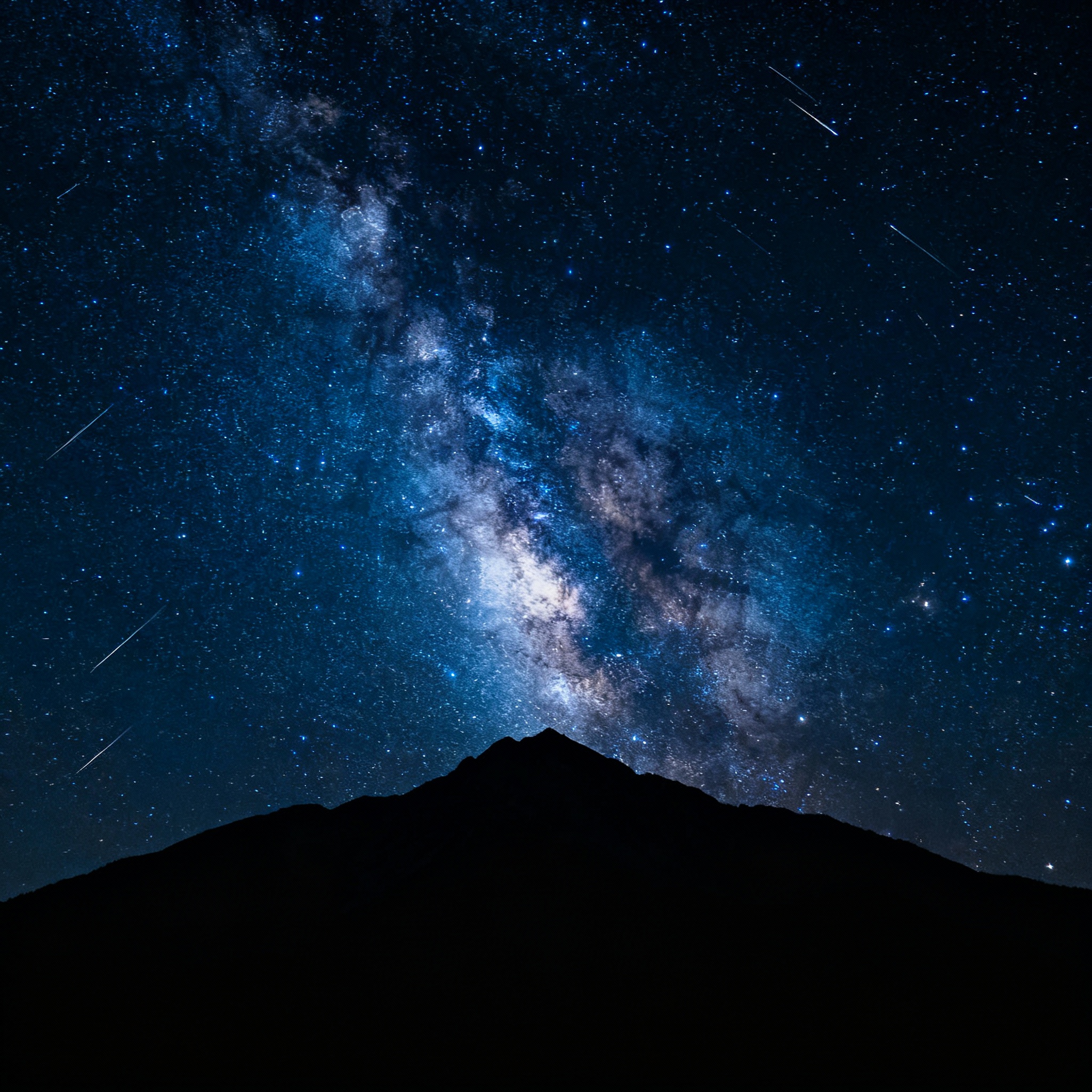
The night sky offers some of the most breathtaking photographic opportunities available to photographers, from star-filled landscapes to the ethereal beauty of the Milky Way. While it may seem daunting at first, night sky photography is entirely achievable with the right knowledge, equipment, and technique. This comprehensive guide will walk you through everything you need to know to capture stunning images of the cosmos above.
Essential Equipment for Night Sky Photography
Camera Bodies
The foundation of successful astrophotography starts with your camera. While any camera can technically shoot the night sky, certain features will dramatically improve your results.
Full-frame sensors are ideal for night sky photography because they capture more light and have better low-light performance. The Sony A7 IV is an excellent choice that combines exceptional low-light capabilities with advanced features specifically beneficial for astrophotography.
| Feature | Sony A7 IV Specification |
|---|---|
| Sensor | 33MP Full-frame CMOS |
| ISO Range | 100-51,200 (expandable to 204,800) |
| Low Light AF | Down to EV -4 |
| Image Stabilization | 5-axis in-body |
| Battery Life | 520 shots (LCD) / 610 shots (EVF) |
| Video | 4K 60p, 7K oversampling |
APS-C cameras can also produce excellent results, though they’ll require slightly different settings and focal length considerations due to the crop factor.
Lenses for Astrophotography
Your lens choice is crucial for night sky photography. Wide-angle lenses (14-24mm on full-frame) are most popular because they:
- Capture more of the sky
- Allow longer shutter speeds before star trailing occurs
- Create dramatic foreground compositions
Key lens specifications to consider:
- Wide aperture: f/2.8 or wider (f/1.4, f/1.8, f/2) for maximum light gathering
- Sharp corner performance: Stars should be sharp across the entire frame
- Minimal coma: Avoiding the “seagull wing” effect on stars at frame edges
Supporting Equipment
Tripod: Absolutely essential for the long exposures required in astrophotography. Choose a sturdy model that can handle your camera and lens weight without vibration.
Remote shutter release or intervalometer: Prevents camera shake and enables precise timing for long exposures and time-lapse sequences.
Red flashlight or headlamp: Preserves your night vision while allowing you to adjust settings and compose shots.
Extra batteries: Cold weather drains batteries faster, and long exposures consume more power than typical photography.
Camera Settings for Night Sky Photography
The 500 Rule (and NPF Rule)
The 500 Rule is a starting point for calculating maximum shutter speed before stars begin to trail:
500 ÷ focal length = maximum shutter speed in seconds
For example:
- 14mm lens: 500 ÷ 14 = ~36 seconds
- 24mm lens: 500 ÷ 24 = ~21 seconds
- 50mm lens: 500 ÷ 50 = 10 seconds
The more precise NPF Rule considers pixel pitch and aperture but requires online calculators. Many photographers find the 500 rule sufficient for starting out.
ISO Settings
Start with ISO 3200-6400 for most modern cameras. The key is finding the balance between capturing enough light and maintaining acceptable noise levels. Don’t be afraid to push ISO higher if needed – modern noise reduction software like DxO PureRAW or Topaz DeNoise AI can work wonders.
ISO recommendations by camera type:
- Full-frame cameras: ISO 3200-12,800
- APS-C cameras: ISO 1600-6400
- Micro Four Thirds: ISO 1600-3200
Aperture Considerations
Use the widest aperture available, typically f/1.4 to f/2.8. While some lenses perform better when stopped down slightly (f/2 instead of f/1.4), the light-gathering advantage usually outweighs minor optical improvements.
Focus in the Dark
Manual focus is essential for night sky photography. Autofocus systems struggle in low light, even with advanced cameras like the Sony A7 IV.
Focusing techniques:
- Live View method: Use your camera’s LCD, zoom in on a bright star, and manually adjust focus until the star appears as a sharp point
- Infinity focus: Set lens to infinity, then back off slightly (true infinity varies by lens)
- Hyperfocal distance: For foreground sharpness, calculate and set hyperfocal distance
- Focus peaking: Enable focus peaking if your camera offers it
Planning Your Night Sky Photography Session
Location Scouting
Light pollution is the biggest enemy of night sky photography. Use tools like:
- Light Pollution Map (lightpollutionmap.info)
- Dark Site Finder mobile apps
- Clear Outside for weather and astronomical conditions
Ideal locations:
- Bortle Class 3 or darker skies
- Interesting foreground elements (mountains, trees, buildings)
- Safe and accessible during nighttime hours
- Legal photography permissions where required
Timing and Weather
Moon phases matter:
- New moon: Darkest skies, best for Milky Way
- Crescent moon: Provides subtle foreground illumination
- Full moon: Great for lunar landscapes but overwhelms faint stars
Best conditions:
- Clear, cloudless nights
- Low humidity
- Minimal atmospheric turbulence
- Stable high-pressure weather systems
Seasonal considerations:
- Milky Way season: March through October (Northern Hemisphere)
- Winter: Longer nights, different constellations, but harsher conditions
- Summer: Warm weather but shorter nights and more atmospheric moisture
Step-by-Step Shooting Process
1. Arrival and Setup (30-45 minutes before shooting)
Allow your eyes to adapt to darkness and your equipment to acclimate to temperature. This prevents condensation and gives you time to compose thoughtfully.
2. Composition and Framing
Rule of thirds works well for night sky photography:
- Place horizon on lower third line
- Position interesting foreground elements at intersection points
- Use leading lines to draw eyes into the frame
Foreground considerations:
- Include interesting silhouettes or shapes
- Consider using light painting for selective illumination
- Balance foreground interest with sky drama
3. Camera Settings Sequence
- Switch to manual mode
- Set ISO (start with 3200)
- Open aperture to widest setting
- Calculate shutter speed using 500 rule
- Set manual focus using live view
- Enable 2-second timer or use remote release
4. Test Shots and Adjustments
Take test shots and review at 100% magnification:
- Check star sharpness across the frame
- Evaluate exposure (histogram should be left-weighted but not clipped)
- Adjust ISO or shutter speed as needed
- Refine focus if necessary
Advanced Techniques
Light Painting
Selectively illuminate foreground elements using:
- LED panels for even lighting
- Flashlights for dramatic directional lighting
- Colored gels for creative effects
- Multiple exposures for complex lighting schemes
Light painting tips:
- Keep light source moving to avoid hotspots
- Use low-intensity lights from distance
- Paint during the exposure, not as separate shot
- Maintain color temperature consistency
Focus Stacking for Foregrounds
When you need both sharp stars and sharp foreground:
- Take one shot focused on stars
- Take second shot focused on foreground (use same exposure settings)
- Blend in post-processing using masks
Star Trails
Create dramatic curved star trails by:
- Using longer exposures (30 minutes to several hours)
- Stacking multiple shorter exposures (preferred method)
- Including Polaris for circular trails
- Positioning camera east/west for diagonal trails
Post-Processing Essentials
RAW Processing Basics
Essential adjustments in Lightroom or similar:
Exposure and Tone:
- Increase shadows and blacks
- Decrease highlights if moon-lit
- Adjust overall exposure for desired brightness
Color Enhancement:
- Increase vibrance more than saturation
- Adjust individual color channels
- Consider split-toning for creative effects
Noise Reduction:
- Apply luminance noise reduction
- Minimize color noise
- Use detail masking to preserve star sharpness
Specialized Astrophotography Software
Consider dedicated tools like:
- PixInsight: Professional-grade astrophotography processing
- Starry Landscape Stacker: Excellent for star/foreground blending
- Sequator: Free Windows software for stacking
Common Challenges and Solutions
Dealing with Noise
High ISO noise is inevitable but manageable:
- Shoot RAW for maximum post-processing flexibility
- Use modern noise reduction software
- Embrace some grain as part of the aesthetic
- Consider image stacking techniques
Condensation Problems
Prevent lens fogging:
- Allow equipment to acclimate gradually
- Use lens hoods to reduce radiative cooling
- Consider dew heaters for extreme conditions
- Bring lens cloths and extra batteries
Star Trailing
If stars appear as streaks instead of points:
- Reduce shutter speed
- Use wider focal length
- Check for camera movement during exposure
- Ensure tripod stability
Safety Considerations
Night photography presents unique safety challenges:
Personal Safety:
- Inform others of your location and planned return
- Carry emergency communication devices
- Bring warm clothing and emergency supplies
- Use red lights to preserve night vision
- Be aware of wildlife in your area
Equipment Safety:
- Protect gear from moisture and temperature extremes
- Secure tripods against wind
- Use lens caps and covers when not shooting
- Consider insurance for expensive equipment
Building Your Skills Progressively
Beginner Focus Areas
- Master basic exposure settings
- Learn reliable focusing techniques
- Practice composition with simple scenes
- Understand your equipment limitations
Intermediate Development
- Experiment with advanced techniques like light painting
- Learn post-processing workflows
- Scout and plan shoots more strategically
- Develop consistent shooting routines
Advanced Pursuits
- Master specialized techniques like focus stacking
- Create time-lapse sequences
- Explore deep-sky object photography
- Develop signature processing styles
Conclusion and Final Recommendations
Night sky photography combines technical skill with artistic vision, rewarding patience and persistence with some of the most spectacular images possible. Success comes from understanding your equipment, mastering essential techniques, and spending time under dark skies.
Key takeaways for immediate success:
- Invest in a sturdy tripod and learn manual focus techniques before worrying about expensive lenses
- Start with simple compositions and master basic settings before attempting advanced techniques
- Embrace higher ISO settings and modern noise reduction rather than underexposing images
- Plan shoots carefully using weather and astronomical apps, but remain flexible for unexpected opportunities
The Sony A7 IV represents an excellent choice for serious night sky photographers, offering exceptional low-light performance, reliable focusing aids, and the full-frame advantages that make astrophotography more accessible.
Remember that night sky photography is as much about the experience as the images themselves. Some of your most memorable shoots may not produce your best photos, but the time spent under starlit skies connecting with the cosmos above is invaluable. Start with simple gear and basic techniques, then gradually expand your capabilities as your passion and skills develop.
The universe is waiting – grab your camera, find some dark skies, and start capturing the incredible beauty that surrounds our planet every clear night.
Related Tags
Looking for the Best Camera Deals?
Check out our latest buying guides and comparison articles to find the perfect camera for your needs.
Browse Buying Guides