
How to Photograph the Night Sky: Complete Beginner's Guide
Master night sky photography with our complete guide. Learn camera settings, equipment tips, and techniques to capture stunning stars, galaxies, and celestial events.
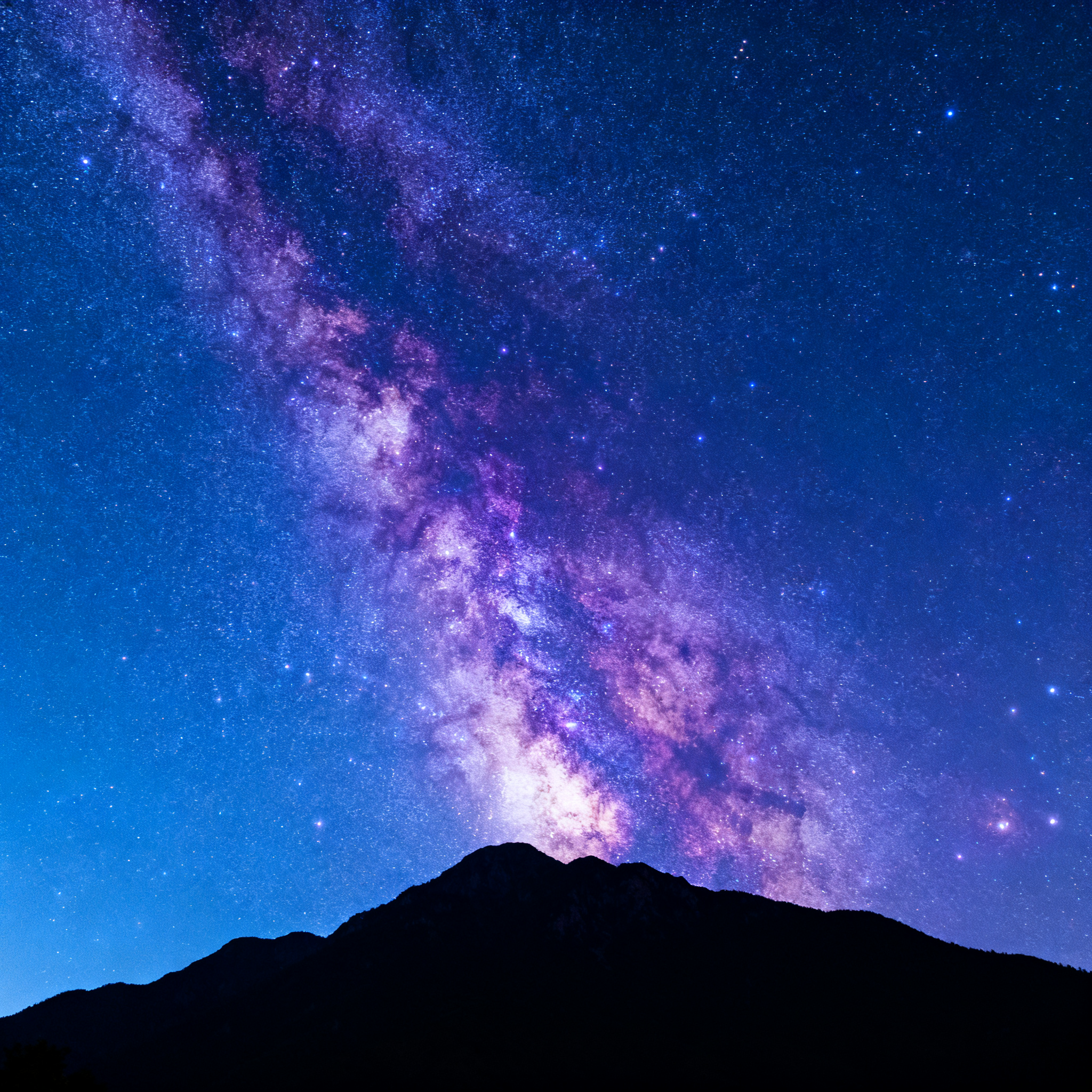
The night sky offers some of the most breathtaking photographic opportunities available to photographers. From capturing the Milky Way’s ethereal glow to photographing star trails that trace the Earth’s rotation, astrophotography opens up a world of creative possibilities. While it may seem daunting at first, with the right knowledge, equipment, and techniques, you can create stunning nighttime images that showcase the cosmos in all its glory.
This comprehensive guide will walk you through everything you need to know about photographing the night sky, from essential gear to advanced techniques. Whether you’re a complete beginner or looking to refine your skills, you’ll find practical tips and step-by-step instructions to help you capture spectacular astronomical images.
Essential Equipment for Night Sky Photography
Camera Bodies
Success in astrophotography starts with having the right camera. While you can capture decent night sky images with most modern cameras, certain features will significantly improve your results.
Full-frame sensors are ideal for astrophotography because they collect more light and produce less noise at high ISO settings. The Sony A7 IV is an excellent choice for night sky photography, offering exceptional low-light performance and a 33-megapixel sensor that captures incredible detail in the stars.
Key camera features to look for:
- High ISO performance with minimal noise
- Good dynamic range
- Manual exposure controls
- Electronic viewfinder or live view capability
- Weather sealing for outdoor conditions
Lenses for Astrophotography
Your lens choice is crucial for night sky photography. Wide-angle lenses are typically preferred because they capture more of the sky and allow for longer exposure times before star trails become apparent.
Recommended focal lengths:
- 14-24mm for Milky Way landscapes
- 50-85mm for detailed constellation shots
- 200mm+ for moon photography
Look for lenses with fast apertures (f/2.8 or wider) to gather maximum light. Prime lenses often outperform zooms in terms of sharpness and light-gathering ability.
Tripods and Stabilization
A sturdy tripod is absolutely essential for astrophotography. During long exposures, even the slightest camera movement will result in blurry stars and ruined images.
Tripod requirements:
- Carbon fiber construction for lightweight portability
- Legs that extend to comfortable working height
- Ability to support at least twice your camera and lens weight
- Spiked feet for stability on various terrains
Additional Accessories
Red flashlight or headlamp - Preserves night vision while allowing you to adjust settings Extra batteries - Cold temperatures drain batteries faster Intervalometer - For automated long exposure sequences Lens heater - Prevents condensation in humid conditions Star tracking mount - Advanced option for extremely detailed shots
Camera Settings for Night Sky Photography
The 500 Rule
The 500 rule helps you determine the maximum exposure time before stars begin to show trailing due to Earth’s rotation. Divide 500 by your lens focal length (crop factor adjusted) to get the maximum exposure time in seconds.
Examples:
- 20mm lens on full-frame: 500 ÷ 20 = 25 seconds
- 50mm lens on APS-C (1.5x crop): 500 ÷ (50 × 1.5) = 6.7 seconds
Basic Camera Settings
ISO Settings: Start with ISO 3200-6400 for most modern cameras. Higher ISOs gather more light but increase noise. Test your camera’s limits during daytime by photographing shadows at various ISO settings.
Aperture: Use the widest aperture available (f/1.4-f/2.8). This maximizes light gathering while maintaining reasonable depth of field for landscapes.
Focus: Switch to manual focus and set to infinity. Many lenses have infinity markers, but these aren’t always accurate. Use live view to zoom in on a bright star and adjust focus until it appears as a sharp point.
File Format: Always shoot in RAW format for maximum post-processing flexibility and better noise reduction capabilities.
Step-by-Step Photography Process
Pre-Shoot Planning
Check the weather forecast - Clear skies are essential. Use apps like Clear Outside or Weather Underground for detailed cloud forecasts.
Plan your timing - New moon phases provide the darkest skies for Milky Way photography. Use apps like PhotoPills or Star Walk to track celestial objects.
Scout your location - Visit during daylight to identify composition elements and potential hazards. Look for interesting foreground elements to add depth to your images.
Check light pollution levels - Use dark sky maps to find locations away from city lights. Even small amounts of light pollution can significantly impact your results.
Setting Up at Your Location
- Arrive early - Give your eyes 20-30 minutes to adapt to darkness
- Set up your tripod - Ensure it’s level and stable on firm ground
- Attach your camera - Check all connections are secure
- Remove lens filters - UV and polarizing filters can cause internal reflections
- Disable image stabilization - This can cause blur during long exposures on tripods
Composing Your Shot
Use live view to compose in the dark. Increase ISO temporarily to see your scene better, then reduce it for the actual capture.
Include foreground elements - Trees, mountains, or buildings add context and scale to your images. Use a flashlight to briefly illuminate foreground elements during exposure for added drama.
Consider the horizon - Follow the rule of thirds, placing the horizon in the lower third for sky-focused shots or upper third for landscape-focused compositions.
Taking the Shot
- Set your initial settings - Start with ISO 3200, f/2.8, 20-second exposure
- Focus on a bright star - Use live view zoom to achieve sharp focus
- Take a test shot - Check exposure, composition, and focus
- Adjust settings as needed - Fine-tune ISO, aperture, or exposure time
- Capture multiple frames - Take several shots for noise reduction stacking
Advanced Techniques
Star Stacking
Combining multiple images reduces noise and increases detail. Take 10-20 identical exposures and blend them using software like StarStaX or Deep Sky Stacker.
Benefits of stacking:
- Dramatically reduces noise
- Reveals fainter stars and nebulae
- Maintains sharp star points
- Allows for lower individual ISO settings
Star Trails
Create dramatic circular or linear trails showing Earth’s rotation by combining many long exposures or using extremely long single exposures.
Two approaches:
- Multiple short exposures - Take hundreds of 30-second to 4-minute exposures and blend them
- Single long exposure - Use 30+ minute exposures with neutral density filters
Focus Blending
Combine images focused at different distances to keep both foreground and sky sharp. Take one shot focused on your foreground and another on the stars, then blend in post-processing.
Post-Processing Tips
Essential Adjustments
Noise reduction - Use software like DxO PureRAW or Topaz DeNoise AI for superior results compared to standard RAW processors.
Highlight/Shadow recovery - Bring out details in the Milky Way core while maintaining natural-looking shadows.
Color correction - Remove light pollution color casts and enhance natural sky colors.
Sharpening - Apply careful sharpening to stars without over-processing.
Recommended Software
- Adobe Lightroom - Excellent for basic adjustments and batch processing
- Photoshop - Essential for advanced blending and star stacking
- PixInsight - Professional-grade astrophotography processing
- StarStaX - Free software specifically for star trail creation
Common Challenges and Solutions
Dealing with Light Pollution
Even in moderately light-polluted areas, you can capture decent night sky images:
- Shoot during astronomical twilight when sky glow is minimized
- Use light pollution filters designed for astrophotography
- Process images to remove color casts from artificial lighting
- Focus on brighter objects like planets or the moon
Managing Condensation
Humidity can fog your lens, ruining long exposures:
- Use lens heaters or hand warmers taped to the lens barrel
- Allow equipment to acclimate to outdoor temperatures gradually
- Bring equipment inside slowly to prevent condensation on electronics
Battery Management
Cold temperatures significantly reduce battery life:
- Carry multiple spare batteries
- Keep spare batteries warm in inside pockets
- Consider external battery packs for extended shooting sessions
- Turn off unnecessary camera features like Wi-Fi and GPS
Weather Considerations
Wind - Even light breezes can cause camera shake during long exposures. Use your camera bag as additional weight on the tripod.
Temperature - LCD screens may become sluggish in extreme cold. Some cameras have cold weather modes.
Humidity - High humidity increases condensation risk and can affect image quality.
Planning Your Night Sky Photography
Best Times to Photograph
Milky Way season - Visible from March through October in the Northern Hemisphere, with peak visibility in summer months.
Moon phases - New moon provides darkest skies, while quarter moons offer enough light to illuminate landscapes naturally.
Blue hour - The period just after sunset or before sunrise provides excellent opportunities to blend sky and landscape exposures.
Location Scouting
Use tools like Google Earth and PhotoPills to plan compositions before arriving at your location. Look for:
- Dark sky areas away from cities
- Interesting foreground elements
- Clear sightlines to your target area of sky
- Safe and legal access
Seasonal Considerations
Different times of year offer various photographic opportunities:
- Summer - Milky Way core visible, warm weather, but shorter nights
- Winter - Orion nebula and winter constellations, longer nights, but harsh conditions
- Spring/Fall - Moderate weather and unique seasonal constellations
Safety Tips for Night Photography
Photographing at night presents unique safety challenges:
- Inform someone of your plans and expected return time
- Bring a fully charged phone and portable battery pack
- Wear appropriate clothing for temperature changes
- Bring plenty of water and snacks for long sessions
- Be aware of wildlife in your area
- Use red lights to preserve night vision while staying safe
Conclusion
Night sky photography offers endless opportunities for creativity and wonder. While it requires patience, practice, and the right equipment, the rewards are spectacular images that capture the beauty of our cosmos. Start with basic techniques using whatever camera you have available, then gradually upgrade your equipment as your skills and interest develop.
Remember that successful astrophotography is as much about planning and persistence as it is about technical camera skills. Don’t be discouraged if your first attempts don’t match your expectations – even experienced astrophotographers deal with cloudy nights, equipment failures, and less-than-perfect conditions.
The Sony A7 IV represents an excellent investment for serious night sky photography, offering the low-light performance and image quality needed for professional-level results. Combined with a fast wide-angle lens and sturdy tripod, it provides everything needed to capture stunning images of the night sky.
Most importantly, enjoy the process. There’s something magical about standing under a star-filled sky with your camera, waiting for that perfect shot while connecting with the universe in a way that few people experience. Each clear night offers new opportunities to capture the cosmos and create images that inspire both you and your viewers to look up and wonder at the incredible universe we inhabit.
Related Tags
Looking for the Best Camera Deals?
Check out our latest buying guides and comparison articles to find the perfect camera for your needs.
Browse Buying Guides