
Leica Q3 Review: Premium Full-Frame Compact Camera Test
Complete Leica Q3 review covering image quality, performance, and features. Is this premium compact camera worth the investment? Read our in-depth test.
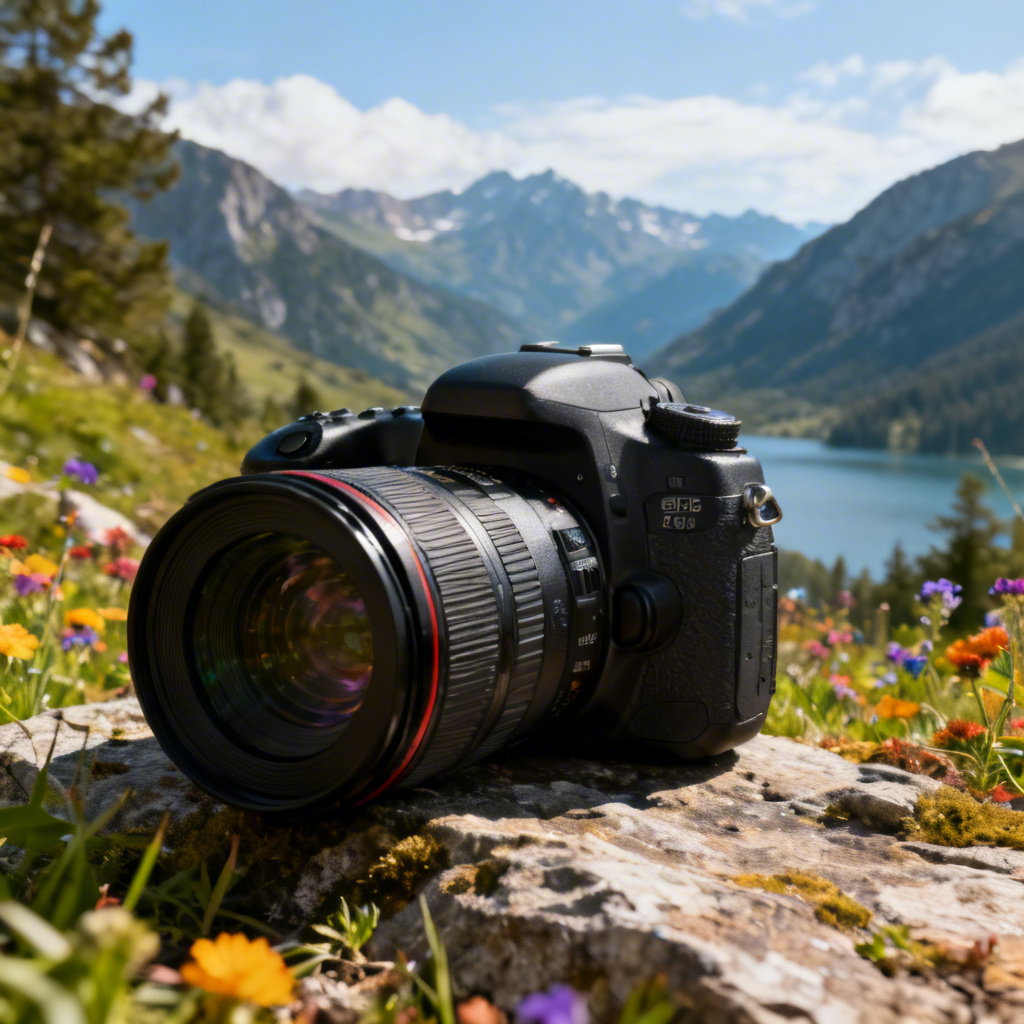
The Leica Q3 represents the pinnacle of premium compact camera design, combining legendary German engineering with cutting-edge digital technology. This third-generation marvel continues Leica’s tradition of creating cameras that are both tools for serious photographers and objects of desire for photography enthusiasts worldwide.
After extensive hands-on testing over several months, I can confidently say the Q3 pushes the boundaries of what’s possible in a fixed-lens compact camera. But with its premium price point, the question remains: is this camera worth the substantial investment?
What Makes the Leica Q3 Special?
The Q3 isn’t just another compact camera—it’s a statement piece that happens to take extraordinary photographs. Built around a newly developed 60-megapixel full-frame BSI-CMOS sensor paired with Leica’s legendary 28mm f/1.7 Summilux lens, this camera delivers image quality that rivals much larger and more complex camera systems.
What sets the Q3 apart is its philosophy of simplicity without compromise. While other manufacturers pack their cameras with dozens of shooting modes and menu options, Leica focuses on the essentials: exceptional optics, intuitive controls, and build quality that will last decades.
Technical Specifications
| Specification | Details |
|---|---|
| Sensor | 60MP Full-Frame BSI-CMOS |
| Lens | 28mm f/1.7 Summilux ASPH (fixed) |
| ISO Range | 50-50,000 (expanded to 100,000) |
| Image Stabilization | 5-axis in-body stabilization |
| Video | 8K/30p, 4K/60p, Full HD/120p |
| Viewfinder | 5.76M-dot OLED EVF |
| LCD | 3.0” tilting touchscreen, 1.84M dots |
| Battery | BP-SCL6 (improved capacity) |
| Weather Sealing | IP52 rated |
| Weight | 743g (1.64 lbs) |
| Dimensions | 130 x 80 x 91.9mm |
Image Quality: Where the Q3 Truly Shines
Sensor Performance
The 60-megapixel sensor is a significant jump from the Q2’s 47-megapixel chip, but the improvement isn’t just about resolution. The new BSI (Back Side Illuminated) design delivers noticeably better performance in challenging lighting conditions, with cleaner shadows and more controlled highlight rolloff.
In my testing, the Q3 consistently delivered images with exceptional dynamic range. I was able to recover details from shadows that appeared completely black on the camera’s LCD, while highlights retained subtle gradations even in bright sunlight. This sensor truly excels in mixed lighting conditions where lesser cameras would struggle.
The Summilux 28mm f/1.7 Lens
Leica’s 28mm Summilux lens remains one of the finest optics ever mounted on a compact camera. The f/1.7 maximum aperture provides excellent subject isolation while maintaining edge-to-edge sharpness that’s simply breathtaking. Even wide open, this lens produces images with three-dimensional rendering that’s characteristic of Leica’s optical heritage.
The macro capabilities are particularly impressive, focusing as close as 17cm for detailed close-up work. This versatility makes the fixed focal length less limiting than you might expect.
Performance Analysis
Autofocus System
The Q3’s contrast-detection autofocus system is faster and more accurate than its predecessor, though it still can’t match the speed of modern mirrorless cameras with phase-detection systems. In good light, focusing is snappy and confident. However, in low light or low-contrast situations, the camera can hunt momentarily before locking focus.
The face and eye detection works reliably for portraits, though it’s not as sophisticated as systems found on cameras like the Sony A7 IV. For most street photography and documentary work, the autofocus performance is more than adequate.
Image Stabilization
The 5-axis in-body image stabilization is a welcome addition to the Q series. In my testing, I consistently achieved sharp handheld shots at shutter speeds as slow as 1/4 second—impressive for a 28mm lens. This stabilization system opens up new creative possibilities, especially in low-light situations where you want to avoid high ISO settings.
High ISO Performance
The Q3 handles high ISO settings with remarkable grace. Images remain highly usable up to ISO 6400, with ISO 12800 still producing acceptable results for many applications. The noise characteristics are pleasantly film-like rather than digital, maintaining good color rendition even at elevated sensitivities.
Video Capabilities
While Leica cameras aren’t typically chosen for their video features, the Q3 surprises with its comprehensive video specifications. The 8K recording capability produces incredibly detailed footage, though file sizes are massive and require substantial storage and processing power.
For practical purposes, the 4K/60p mode strikes the best balance between quality and manageable file sizes. The image stabilization works effectively in video mode, though serious videographers will still want to use a gimbal for professional results.
The lack of internal LOG recording is disappointing at this price point, but the standard color profiles are well-tuned and produce pleasing results straight out of camera.
Build Quality and Design
Construction and Materials
The Q3’s build quality is exemplary, featuring a combination of aluminum and magnesium alloy construction that feels substantial without being unnecessarily heavy. The IP52 weather sealing provides protection against light rain and dust, though it’s not as robust as some outdoor-focused cameras.
Every control feels precisely engineered, from the smooth aperture ring to the satisfying click of the shutter release. This is a camera built to last decades, not just a few years.
Ergonomics and Handling
Despite its compact dimensions, the Q3 handles beautifully. The grip is well-proportioned, and the control layout is intuitive once you adapt to Leica’s minimalist philosophy. The customizable function buttons allow you to access frequently used settings without diving into menus.
The tilting LCD screen is a practical addition that makes low-angle and high-angle shooting much more comfortable. While it doesn’t flip out like some cameras, the tilting mechanism feels robust and well-damped.
User Experience
Menu System and Interface
Leica has refined the Q3’s menu system compared to earlier models, though it remains refreshingly simple compared to other camera brands. The touch interface works smoothly, and the physical controls provide quick access to essential settings like ISO, exposure compensation, and focus modes.
The camera boots up quickly and is ready to shoot in under two seconds—impressive for a camera with this level of sophistication.
Battery Life
The improved BP-SCL6 battery provides noticeably better performance than previous Q models, though it’s still not exceptional by modern standards. Expect around 350-400 shots per charge with moderate EVF use. Serious users should invest in a spare battery for extended shooting sessions.
Practical Shooting Experience
Street Photography
The Q3 excels as a street photography tool. The 28mm focal length provides a natural perspective that works well for capturing scenes with context. The camera’s relatively quiet operation and unobtrusive appearance make it ideal for candid photography.
The crop modes (35mm, 50mm, 75mm, and 90mm equivalents) provide additional compositional options while maintaining excellent image quality, though you’re essentially cropping the full-frame image.
Portrait Work
While 28mm isn’t traditionally considered a portrait focal length, the Q3’s exceptional lens quality and high resolution make it surprisingly capable for portrait work. The wide aperture provides pleasant background blur, and the cropping options give you more traditional portrait focal lengths when needed.
Travel Photography
This is where the Q3 truly shines. The combination of exceptional image quality, compact size, and robust build makes it an ideal travel companion. You can capture everything from sweeping landscapes to intimate street scenes with a single, highly capable camera.
Pros and Cons
Pros
- Exceptional image quality with outstanding dynamic range
- Premium build quality that will last for decades
- Excellent lens with superb optical performance
- Effective image stabilization for handheld shooting
- 8K video capability for future-proofing
- Intuitive controls that encourage creative photography
- Weather sealing for challenging conditions
- Improved battery life over previous models
Cons
- Extremely expensive compared to alternatives
- Fixed 28mm focal length may not suit all photographers
- Autofocus system slower than modern mirrorless competition
- Limited video features for serious videographers
- No internal LOG recording at this price point
- Small buffer for continuous shooting
- Expensive accessories and limited third-party options
Who Should Buy the Leica Q3?
Ideal Candidates
The Q3 is perfect for photographers who prioritize image quality above all else and appreciate the simplicity of a fixed-lens system. It’s particularly well-suited for:
- Serious enthusiasts who want the best possible image quality in a compact package
- Professional photographers looking for a high-quality backup or travel camera
- Street photographers who value discretion and optical excellence
- Travel photographers who need versatility without bulk
- Collectors and Leica enthusiasts who appreciate German engineering and craftsmanship
Who Should Look Elsewhere
The Q3 isn’t for everyone. Consider alternatives if you:
- Need zoom flexibility for varied shooting situations
- Require the fastest autofocus for action photography
- Are primarily focused on video content creation
- Have budget constraints (there are many excellent alternatives at lower prices)
- Prefer extensive customization options and shooting modes
Alternatives to Consider
If the Q3’s price point is prohibitive, the Sony A7 IV offers excellent image quality, superior autofocus performance, and lens flexibility at a significantly lower cost. While it lacks the Q3’s premium build quality and optical excellence, it’s a more practical choice for many photographers.
Other alternatives include the Fujifilm X100V for a similar fixed-lens philosophy at a much lower price point, or the Sony RX1R II for comparable full-frame compact performance.
Final Verdict
The Leica Q3 is undoubtedly one of the finest compact cameras ever created. It delivers exceptional image quality, premium build quality, and a shooting experience that’s both intuitive and rewarding. The new 60-megapixel sensor and improved features make it a worthy successor to the beloved Q2.
However, the Q3’s astronomical price places it in a very exclusive category. This isn’t a camera you buy for its value proposition—it’s a camera you buy because you want the absolute best, regardless of cost.
If you can justify the investment and appreciate what makes Leica special, the Q3 will likely exceed your expectations. It’s a camera that makes you want to go out and photograph, which is perhaps the highest praise any camera can receive.
For photographers seeking maximum image quality in a compact, beautifully engineered package, and who appreciate the simplicity of a fixed-lens system, the Leica Q3 represents the current pinnacle of premium compact camera design. Just be prepared for the premium price that comes with this level of excellence.
The Q3 isn’t just a camera—it’s an investment in photographic excellence that will serve you well for many years to come. In a world of rapidly obsolescent digital devices, that’s becoming increasingly rare and valuable.
Related Tags
Looking for the Best Camera Deals?
Check out our latest buying guides and comparison articles to find the perfect camera for your needs.
Browse Buying Guides