
Long Exposure Photography Tutorial: Master Stunning Effects
Learn long exposure photography with our step-by-step tutorial. Discover camera settings, equipment needed, and pro techniques for breathtaking images.
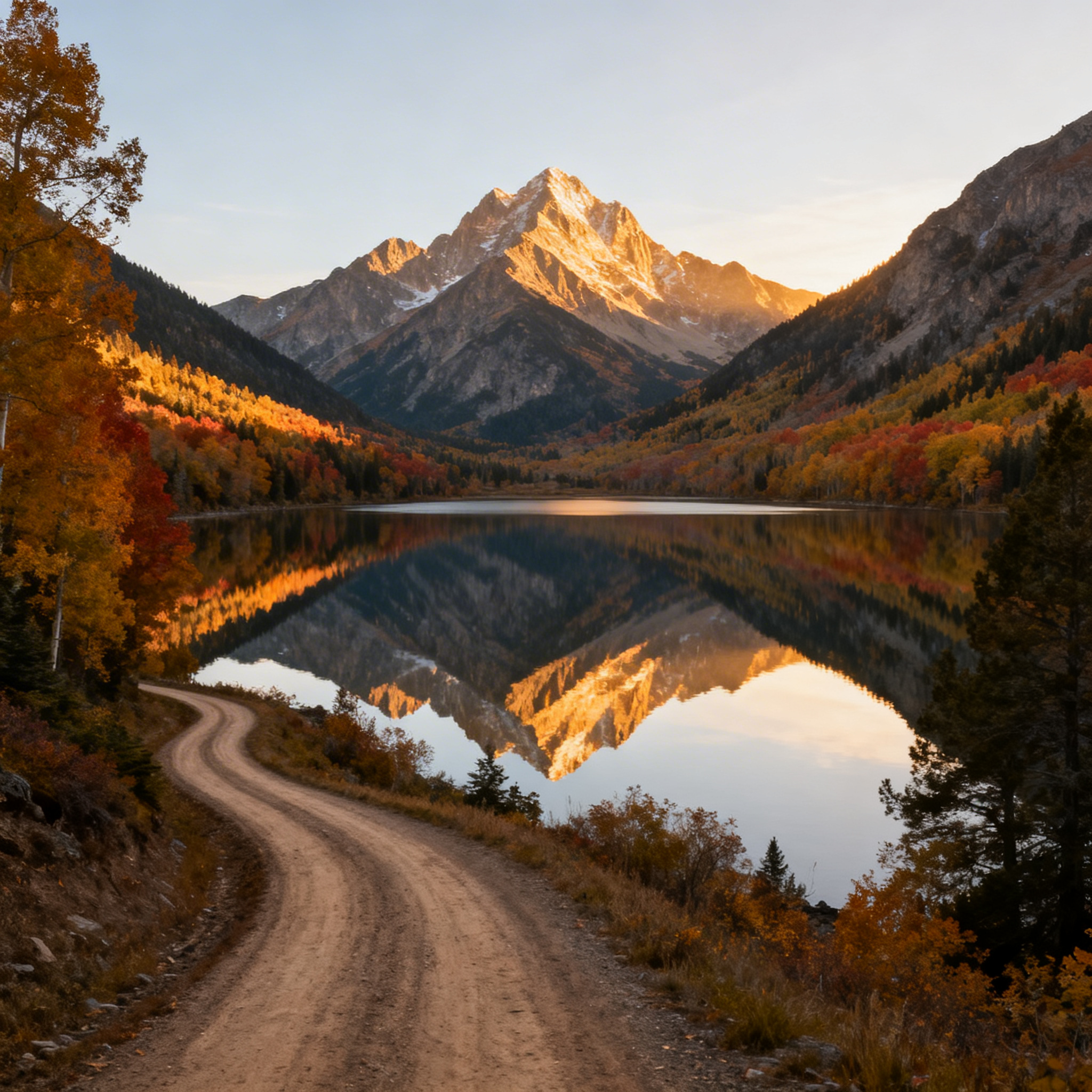
Long exposure photography transforms ordinary scenes into extraordinary works of art by capturing the passage of time in a single frame. Whether you’re photographing silky waterfalls, streaking car lights, or dramatic cloud movements, mastering this technique opens up a world of creative possibilities that can elevate your photography to new heights.
This comprehensive tutorial will guide you through everything you need to know about long exposure photography, from essential equipment and camera settings to advanced techniques and troubleshooting tips. By the end of this guide, you’ll have the knowledge and confidence to create stunning long exposure images in any lighting condition.
What is Long Exposure Photography?
Long exposure photography involves using slower shutter speeds—typically several seconds to several minutes—to capture movement and time in a static image. This technique creates artistic effects such as smooth, flowing water, light trails from moving vehicles, star trails in the night sky, and ghostly figures of people moving through busy spaces.
The key principle behind long exposure is that while stationary elements in your scene remain sharp and well-defined, moving elements create beautiful blur effects or completely disappear from the frame. This contrast between static and dynamic elements creates visually compelling images that tell a story about time and movement.
Essential Equipment for Long Exposure Photography
Camera Requirements
While you can achieve basic long exposure effects with most cameras, having manual controls is crucial for consistent results. A camera that allows you to adjust shutter speed, aperture, and ISO manually will give you complete creative control over your exposures.
The Sony A7 IV is an excellent choice for long exposure photography, offering exceptional image quality, excellent low-light performance, and robust manual controls. Its in-body image stabilization also helps reduce camera shake during longer handheld exposures.
Tripod - Your Most Important Tool
A sturdy tripod is absolutely essential for long exposure photography. Even the slightest camera movement during a long exposure will result in blurry, unusable images. Look for a tripod that can support at least twice your camera and lens weight, and consider carbon fiber options for better vibration dampening.
Neutral Density Filters
Neutral density (ND) filters are dark pieces of glass that reduce the amount of light entering your camera without affecting color balance. They’re crucial for achieving long exposures during daylight hours when even your camera’s smallest aperture and lowest ISO would result in overexposed images.
Common ND filter strengths include:
- 3-stop ND: Reduces light by 8 times
- 6-stop ND: Reduces light by 64 times
- 10-stop ND: Reduces light by 1,024 times
Remote Shutter Release
A remote shutter release or intervalometer prevents camera shake when triggering long exposures. Many modern cameras also offer smartphone apps that can control your camera remotely via Wi-Fi or Bluetooth.
Camera Settings for Long Exposure Photography
Shooting Mode Selection
Start with Manual mode (M) for complete control over your exposure settings. This allows you to set your desired shutter speed, aperture, and ISO independently without the camera making automatic adjustments.
ISO Settings
Keep your ISO as low as possible to minimize digital noise in your images. Most cameras perform best at ISO 100-400 for long exposures. Higher ISOs will introduce noise that becomes more apparent during long exposures due to heat buildup in the camera’s sensor.
Aperture Considerations
Your aperture choice depends on your creative goals:
- f/8-f/11: Provides good sharpness across the frame for landscape long exposures
- f/16-f/22: Maximizes depth of field but may introduce diffraction
- f/4-f/5.6: Useful for isolating subjects or when you need faster shutter speeds
Shutter Speed Guidelines
Shutter speed is the primary creative control in long exposure photography:
Water Movement:
- 1/2 to 2 seconds: Maintains some texture and detail
- 2-10 seconds: Creates smooth, flowing appearance
- 30+ seconds: Produces glass-like, mirror surfaces
Cloud Movement:
- 30 seconds to 2 minutes: Shows gentle cloud streaking
- 2-10 minutes: Creates dramatic cloud trails
- 10+ minutes: Produces ethereal, painterly sky effects
Traffic Light Trails:
- 10-30 seconds: Captures light trails from individual vehicles
- 1-5 minutes: Creates continuous streams of light on busy roads
Step-by-Step Long Exposure Process
Step 1: Compose Your Shot
Set up your tripod and compose your image before attaching any filters. Use your camera’s viewfinder or LCD screen to frame your shot, ensuring all important elements are included and properly positioned.
Step 2: Focus Your Lens
Achieve sharp focus before adding ND filters, as these dark filters make autofocus difficult or impossible. Switch to manual focus after achieving focus to prevent the camera from refocusing during the exposure.
Step 3: Calculate Your Exposure
Take a test shot without ND filters to determine your base exposure. Then use the filter manufacturer’s exposure calculation chart or a smartphone app to determine the new shutter speed needed with your ND filter attached.
Step 4: Attach Your ND Filter
Carefully attach your ND filter, being mindful not to disturb your camera’s position or focus ring. Some filters may cause slight vignetting at wide focal lengths, so check your composition after attachment.
Step 5: Set Your Camera Settings
Switch to Manual mode and input your calculated settings:
- Set your ISO to 100-200
- Choose your desired aperture
- Set the calculated shutter speed
- Turn off image stabilization (if using a tripod)
- Enable mirror lock-up (for DSLR cameras) to reduce vibration
Step 6: Take the Shot
Use your remote shutter release to trigger the exposure. Avoid touching the camera during the exposure, and be patient—long exposures require time to complete.
Step 7: Review and Adjust
Check your image on the camera’s LCD screen, paying attention to exposure and composition. Make adjustments as needed and take additional shots with different settings to ensure you capture the perfect image.
Advanced Techniques and Tips
Dealing with Light Leaks
During very long exposures, light can leak into your camera through the viewfinder or around poorly sealed filters. Cover the viewfinder with the built-in eyepiece shutter or a piece of tape, and ensure your filters are properly sealed against the lens.
Stacking Multiple Exposures
For extremely long effective exposures without excessive noise, consider taking multiple shorter exposures and blending them in post-processing. This technique, called “exposure stacking,” can produce cleaner results than single ultra-long exposures.
Using Graduated ND Filters
Combine neutral density filters with graduated ND filters to balance exposure between bright skies and darker foregrounds. This technique helps maintain detail in both areas of your image.
Weather Considerations
Long exposures work beautifully in various weather conditions. Overcast skies create dramatic cloud movement, while storms can produce spectacular results (though safety should always be your priority). Light rain or mist can add atmosphere to your images.
Common Challenges and Solutions
Overexposure Issues
If your images are still overexposed even with ND filters and your camera’s minimum ISO and smallest aperture, consider:
- Using a stronger ND filter
- Shooting during darker conditions
- Combining multiple ND filters for greater light reduction
Camera Shake Problems
Eliminate camera shake by:
- Using a heavier, more stable tripod
- Enabling mirror lock-up on DSLR cameras
- Waiting for wind to die down before triggering exposures
- Using a remote shutter release
- Adding weight to your tripod for stability
Focus Difficulties
Achieve sharp focus by:
- Focusing before attaching ND filters
- Using live view and manual focus for precision
- Focusing on high-contrast edges in your scene
- Using your camera’s focus peaking feature if available
Battery Life Concerns
Long exposures drain batteries quickly. Extend shooting time by:
- Carrying spare batteries
- Using a battery grip for longer life
- Turning off camera features you don’t need (Wi-Fi, image review, etc.)
- Keeping batteries warm in cold weather
Post-Processing Long Exposure Images
Noise Reduction
Long exposures can introduce noise, especially in shadow areas. Use noise reduction software or your camera’s built-in long exposure noise reduction feature. However, be aware that in-camera noise reduction doubles your exposure time by taking a “dark frame” for noise analysis.
Enhancing Movement Effects
In post-processing, you can enhance the movement effects in your long exposures by:
- Adjusting contrast to make light trails more prominent
- Using radial filters to emphasize circular motion
- Selectively brightening or darkening areas to guide the viewer’s eye
- Fine-tuning color balance to enhance mood
Dealing with Hot Pixels
Long exposures can reveal hot pixels—bright spots caused by sensor defects. Most post-processing software can automatically remove these, or you can clone them out manually.
Best Times and Locations for Long Exposure Photography
Golden Hour and Blue Hour
The periods just after sunset and before sunrise offer ideal conditions for long exposure photography. The reduced light allows for longer exposures without overwhelming ND filters, while the warm, soft light creates beautiful atmospheric effects.
Urban Environments
Cities provide excellent opportunities for long exposure photography with moving traffic, illuminated buildings, and bustling pedestrian areas. Scout locations during the day to find safe, accessible spots with interesting compositions.
Natural Landscapes
Waterfalls, rivers, coastlines, and lakes offer classic long exposure subjects. Moving water creates beautiful flow effects, while waves crashing against rocks produce dramatic, misty results.
Night Sky Photography
Long exposures reveal star movement and can create stunning star trail images. Start with 4-minute exposures for subtle star movement, or combine hundreds of shorter exposures for dramatic circular star trails.
Safety and Practical Considerations
Always prioritize safety when shooting long exposures, especially in challenging environments like coastlines or busy urban areas. Inform someone of your shooting location and expected return time when venturing out alone. Be aware of tides when shooting near water, and respect private property and local regulations.
Dress appropriately for extended periods outdoors, as long exposure photography often requires patience and waiting for the right conditions. Bring warm clothing, snacks, and plenty of water for longer shooting sessions.
Conclusion and Recommendations
Long exposure photography offers endless creative possibilities for photographers willing to slow down and explore the artistic potential of time-based imagery. While the technique requires patience and practice, the results can be truly spectacular and uniquely rewarding.
Start with simple subjects like flowing water or light trails before moving on to more complex compositions. Invest in quality equipment—particularly a sturdy tripod and good ND filters—as these tools are essential for consistent success. The Sony A7 IV provides an excellent foundation with its superior image quality and robust manual controls.
Remember that long exposure photography is as much about patience and planning as it is about technical skills. Take time to scout locations, understand light conditions, and visualize your final image before setting up your equipment. With practice and persistence, you’ll develop an intuitive understanding of how different shutter speeds affect various subjects, allowing you to create compelling images that capture the beauty of motion and time.
The most important advice is to experiment and have fun with the process. Every shooting session teaches valuable lessons, and even “failed” exposures often contain elements that can inspire your next great shot. Long exposure photography rewards those who embrace both its technical challenges and creative possibilities.
Related Tags
Looking for the Best Camera Deals?
Check out our latest buying guides and comparison articles to find the perfect camera for your needs.
Browse Buying Guides