
Portrait Lighting Techniques for Beginners: Easy Setup Guide
Master portrait lighting with our beginner-friendly tutorial. Learn key lighting, fill light, and rim lighting techniques to create stunning portraits.
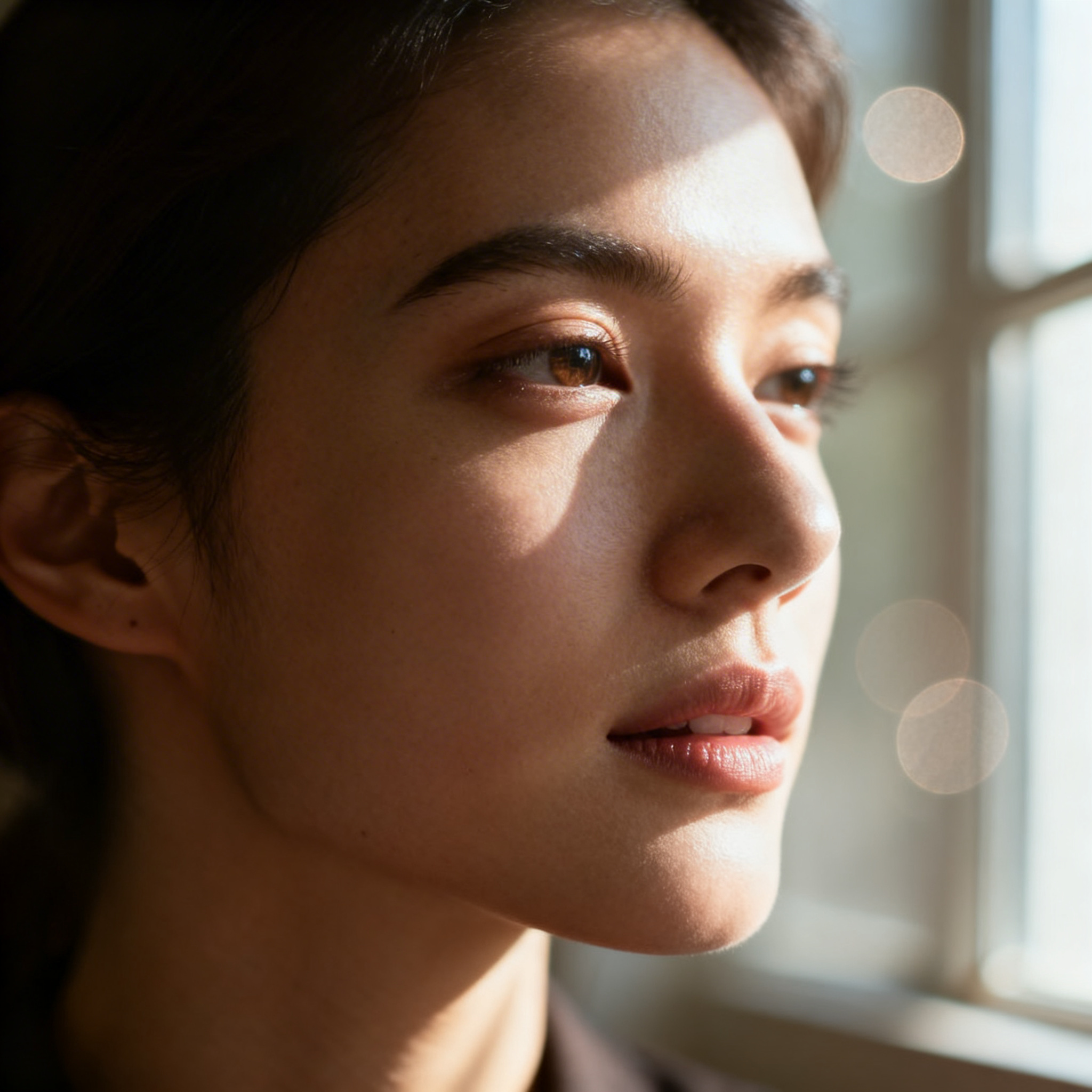
Portrait photography is one of the most rewarding genres of photography, but it can also be one of the most challenging for beginners. The difference between a good portrait and a great one often comes down to one crucial element: lighting. Understanding how to control and manipulate light will transform your portraits from amateur snapshots into professional-looking images that capture the essence of your subject.
Whether you’re working with natural light streaming through a window or setting up your first studio lights, mastering portrait lighting techniques is essential for creating compelling images. In this comprehensive guide, we’ll explore the fundamental lighting setups, equipment recommendations, and practical tips that will help you elevate your portrait photography skills.
Understanding the Basics of Portrait Lighting
Before diving into specific lighting techniques, it’s important to understand the fundamental principles that govern portrait lighting. Light has four main characteristics that affect how your subject appears: direction, quality, intensity, and color temperature.
Direction refers to where the light is coming from relative to your subject. This could be from the front, side, above, below, or behind your subject. Each direction creates different shadows and highlights that dramatically affect the mood and appearance of your portrait.
Quality describes whether the light is hard or soft. Hard light creates sharp, well-defined shadows with clear edges, while soft light produces gradual transitions between light and shadow areas. The size of your light source relative to your subject determines this quality – larger light sources create softer light.
Intensity is simply how bright or dim your light source is. You can control this through your camera settings (aperture, shutter speed, ISO) or by adjusting the power of your lights and their distance from the subject.
Color temperature affects the warmth or coolness of your image. Different light sources have different color temperatures, measured in Kelvin. Understanding this helps you achieve consistent, pleasing skin tones.
Essential Equipment for Portrait Lighting
Starting with portrait lighting doesn’t require a massive investment in expensive equipment. You can create beautiful portraits with minimal gear, then gradually build your lighting kit as your skills and needs develop.
Camera and Lens Recommendations
For portrait photography, you’ll want a camera that performs well in various lighting conditions. The Sony A7 IV is an excellent choice for portrait photographers, offering exceptional image quality and excellent low-light performance.
| Specification | Sony A7 IV |
|---|---|
| Resolution | 33MP Full-Frame |
| ISO Range | 100-51,200 (expandable to 50-204,800) |
| Autofocus Points | 759 phase-detection points |
| Video Capability | 4K 60p |
| In-Body Stabilization | 5.5 stops |
| Weight | 658g (body only) |
For lenses, an 85mm or 135mm focal length is ideal for portraits, as these provide flattering perspective and natural-looking compression. A 50mm lens is also versatile and works well in smaller spaces.
Lighting Equipment for Beginners
Reflectors are your most affordable lighting tool. A simple 5-in-1 reflector disc gives you white, silver, gold, black, and translucent options for modifying light. They’re portable, inexpensive, and incredibly versatile.
Speedlights or strobes provide consistent, controllable light. Start with one or two units – you can create numerous lighting setups with just a couple of lights.
Light modifiers shape and soften your light. Softboxes, umbrellas, and beauty dishes are essential for creating professional-looking portraits. Start with a medium-sized softbox and a shoot-through umbrella.
Light stands and triggers are necessary for positioning your lights and firing them wirelessly. Invest in sturdy stands that won’t tip over easily.
The Five Fundamental Portrait Lighting Patterns
Understanding these five classic lighting patterns will give you a solid foundation for portrait lighting. Each pattern creates a different mood and works better for different face shapes and portrait styles.
Rembrandt Lighting
Named after the Dutch master painter, Rembrandt lighting creates a small triangle of light on the shadow side of the face, just below the eye. This dramatic lighting pattern works well for creating mood and depth in your portraits.
Step-by-step setup:
- Position your main light 45 degrees to one side of your subject and slightly above eye level
- Angle the light down toward your subject at approximately 45 degrees
- Adjust the position until you see a small triangle of light on the cheek opposite the light source
- The triangle should be no wider than the eye and no longer than the nose
Camera settings recommendation:
- Aperture: f/4-f/5.6 for sharp focus on the eyes with slight background blur
- ISO: Keep as low as possible (100-400) for clean images
- Shutter speed: 1/125s or faster to avoid camera shake
Loop Lighting
Loop lighting creates a small shadow from the nose that “loops” down toward the corner of the mouth. This is one of the most flattering and commonly used lighting patterns for portraits.
Step-by-step setup:
- Position your main light slightly to one side of your subject and above eye level
- The angle should be smaller than Rembrandt lighting – about 30-45 degrees from center
- Watch for the small shadow cast by the nose – it should curve down but not connect with the shadow on the cheek
- Adjust height and angle until the shadow looks natural and flattering
This lighting pattern works well for most face shapes and is forgiving for beginners to master.
Split Lighting
Split lighting divides the face exactly in half, with one side in light and the other in shadow. This creates a dramatic, sometimes mysterious mood that works particularly well for artistic portraits.
Step-by-step setup:
- Position your light directly to one side of your subject at eye level
- The light should be 90 degrees from the camera position
- Adjust until exactly half the face is illuminated and half is in shadow
- The line of shadow should run straight down the middle of the nose and face
Split lighting works best with oval or round face shapes and is excellent for creating dramatic, artistic portraits.
Butterfly Lighting
Also called “paramount lighting,” this pattern creates a small butterfly-shaped shadow under the nose. It’s often used in beauty photography because it’s very flattering and creates catchlights in both eyes.
Step-by-step setup:
- Position your main light directly in front of your subject and above the camera
- Raise the light until it creates a small butterfly shadow under the nose
- The shadow should not extend too far down – it should stay small and centered
- Add a reflector below the subject’s face to fill in shadows under the chin and eyes
This lighting is particularly flattering for people with prominent cheekbones and works well for glamour-style portraits.
Broad and Short Lighting
These aren’t lighting patterns themselves but rather approaches to lighting that work with any of the above patterns.
Broad lighting illuminates the side of the face that’s turned toward the camera. This makes the face appear wider and works well for narrow faces.
Short lighting illuminates the side of the face that’s turned away from the camera. This creates more shadow on the camera-facing side, making the face appear slimmer and more sculpted.
Working with Natural Light
Natural light can produce stunning portraits, and it’s completely free! The key is learning to recognize good light and knowing how to modify it when necessary.
Window Light Techniques
Windows provide beautiful, soft light that’s perfect for portraits. The larger the window, the softer the light will be.
Best practices for window light:
- Position your subject at a 45-degree angle to the window for dimensional lighting
- Use sheer curtains to diffuse harsh sunlight
- Place a white wall or reflector opposite the window to fill in shadows
- Avoid direct sunlight, which creates harsh shadows – overcast days provide ideal window light
Golden Hour Portraits
The hour after sunrise and before sunset provides warm, flattering light that’s perfect for outdoor portraits.
Golden hour tips:
- Use a reflector to bounce light into your subject’s eyes
- Watch for harsh shadows under the eyes, nose, and chin
- Consider backlighting your subject for a rim-lit effect
- Expose for your subject’s face, not the bright sky
Overcast Day Advantages
Don’t pack up your camera when it’s cloudy! Overcast skies act like a giant softbox, providing even, flattering light for portraits.
Overcast lighting techniques:
- The soft light eliminates harsh shadows
- Colors appear more saturated
- You can shoot at any time of day
- Position subjects under tree branches or overhangs to add direction to the light
Studio Lighting Setups for Beginners
Once you’re comfortable with natural light, studio lighting gives you complete control over your portrait lighting. Here are some essential setups to master.
Single Light Setup
You can create beautiful portraits with just one light and a reflector. This is perfect for beginners and creates clean, professional-looking results.
Equipment needed:
- One strobe or continuous light
- Softbox or umbrella
- Reflector
- Light stand
Setup instructions:
- Position your light with modifier at 45 degrees to your subject
- Place a reflector on the opposite side to fill in shadows
- Adjust the power to properly expose your subject’s face
- Fine-tune the position to create your desired lighting pattern
Two-Light Portrait Setup
Adding a second light opens up many more creative possibilities. The classic setup uses a main light and a fill light.
Key light and fill light setup:
- Position your main light (key light) using one of the lighting patterns above
- Add your second light (fill light) on the opposite side at a lower power
- The fill light should be about 1-2 stops dimmer than your key light
- This setup reduces shadows while maintaining dimension
Three-Point Lighting
The gold standard of portrait lighting uses three lights: key light, fill light, and background/rim light.
Complete three-point setup:
- Set up your key and fill lights as above
- Add a third light behind your subject, aimed at the background or the back of their head/shoulders
- This separates your subject from the background and adds depth
- Keep the background light subtle – it should enhance, not overpower
Common Lighting Mistakes and How to Avoid Them
Learning what not to do is just as important as learning proper techniques. Here are the most common portrait lighting mistakes beginners make.
Harsh Shadows Under the Eyes
Problem: Direct, hard light creates unflattering “raccoon eyes.” Solution: Use larger light sources, add fill light, or use a reflector to bounce light into the eye sockets.
Unflattering Nose Shadows
Problem: Poor light positioning creates long or wide nose shadows. Solution: Adjust your light height and angle. The nose shadow should be small and proportional.
Flat, Dimensionless Lighting
Problem: Too much fill light eliminates all shadows, making faces look flat. Solution: Maintain some shadow to preserve dimension. A 2:1 or 3:1 lighting ratio works well.
Incorrect White Balance
Problem: Mixed light sources create color casts and unnatural skin tones. Solution: Set a custom white balance or shoot in RAW and correct in post-processing.
Camera Settings for Portrait Lighting
Your camera settings work hand-in-hand with your lighting setup to create the final image. Here’s how to optimize your settings for different lighting scenarios.
Aperture Considerations
For portraits, you’ll typically want to use wider apertures (f/1.4-f/5.6) to create shallow depth of field and make your subject stand out from the background. However, be careful not to go too wide when shooting groups or if you want more of your subject in focus.
Aperture guidelines:
- f/1.4-f/2.8: Very shallow depth of field, artistic look
- f/4-f/5.6: Good balance of background blur and sharpness
- f/8-f/11: More depth of field for group portraits
ISO and Noise Management
Keep your ISO as low as possible while maintaining proper exposure. Modern cameras like the Sony A7 IV handle high ISOs very well, but lower ISOs always produce cleaner images.
Shutter Speed for Portraits
When handholding your camera, use the reciprocal rule: your shutter speed should be at least 1/focal length. For an 85mm lens, use at least 1/85s. When using strobes, your shutter speed controls ambient light exposure.
Post-Processing Portrait Lighting
Even with perfect lighting, some post-processing can enhance your portraits. Here are key adjustments to consider.
Basic Adjustments
- Exposure: Fine-tune overall brightness
- Highlights/Shadows: Recover detail in bright or dark areas
- Whites/Blacks: Set proper white and black points
- Clarity/Texture: Enhance details in eyes and hair while keeping skin smooth
Skin Retouching
Keep skin retouching subtle and natural. Remove temporary blemishes but preserve skin texture and natural variations in tone.
Eye Enhancement
Eyes are crucial in portraits. Brighten the whites slightly, enhance the iris color subtly, and ensure catchlights are present and well-positioned.
Building Your Portrait Lighting Kit Over Time
Start with basic equipment and gradually expand your kit as your skills and needs grow.
Beginner Kit ($200-500)
- 5-in-1 reflector
- One speedlight
- Light stand
- Shoot-through umbrella
- Wireless trigger
Intermediate Kit ($500-1500)
- Two studio strobes or speedlights
- Softbox and beauty dish
- Background stand and seamless paper
- Light meter
- Additional modifiers
Advanced Kit ($1500+)
- Multiple high-powered strobes
- Variety of modifiers
- Color gels
- Hair lights and background lights
- Professional light stands and boom arms
Conclusion and Next Steps
Mastering portrait lighting is a journey that takes time and practice, but understanding these fundamental techniques will immediately improve your portraits. Start with natural light and simple setups, then gradually add more equipment and complexity as you become comfortable with the basics.
Remember that great portrait lighting serves the subject and the story you’re trying to tell. Sometimes dramatic lighting is perfect, while other times soft, even light is more appropriate. The key is having the technical knowledge to create any lighting scenario you envision.
Key takeaways for success:
- Master the five fundamental lighting patterns
- Practice with natural light before investing in studio equipment
- Focus on the quality of light, not the quantity of equipment
- Study the work of portrait photographers you admire
- Practice regularly with willing subjects
Start with a good camera like the Sony A7 IV, a simple lighting setup, and most importantly, practice these techniques consistently. With time and dedication, you’ll develop an intuitive understanding of light that will transform your portrait photography from snapshots into compelling, professional-quality images that truly capture the essence of your subjects.
The journey to mastering portrait lighting is ongoing – even professional photographers continue to experiment and learn new techniques. Embrace the process, be patient with yourself, and enjoy creating beautiful portraits that showcase both your technical skills and artistic vision.
Related Tags
Looking for the Best Camera Deals?
Check out our latest buying guides and comparison articles to find the perfect camera for your needs.
Browse Buying Guides