
Sony A7 IV vs Canon EOS R6 Mark II: Full Comparison 2024
Complete Sony A7 IV vs Canon EOS R6 Mark II comparison. Compare specs, image quality, autofocus, video features & price to choose your camera.
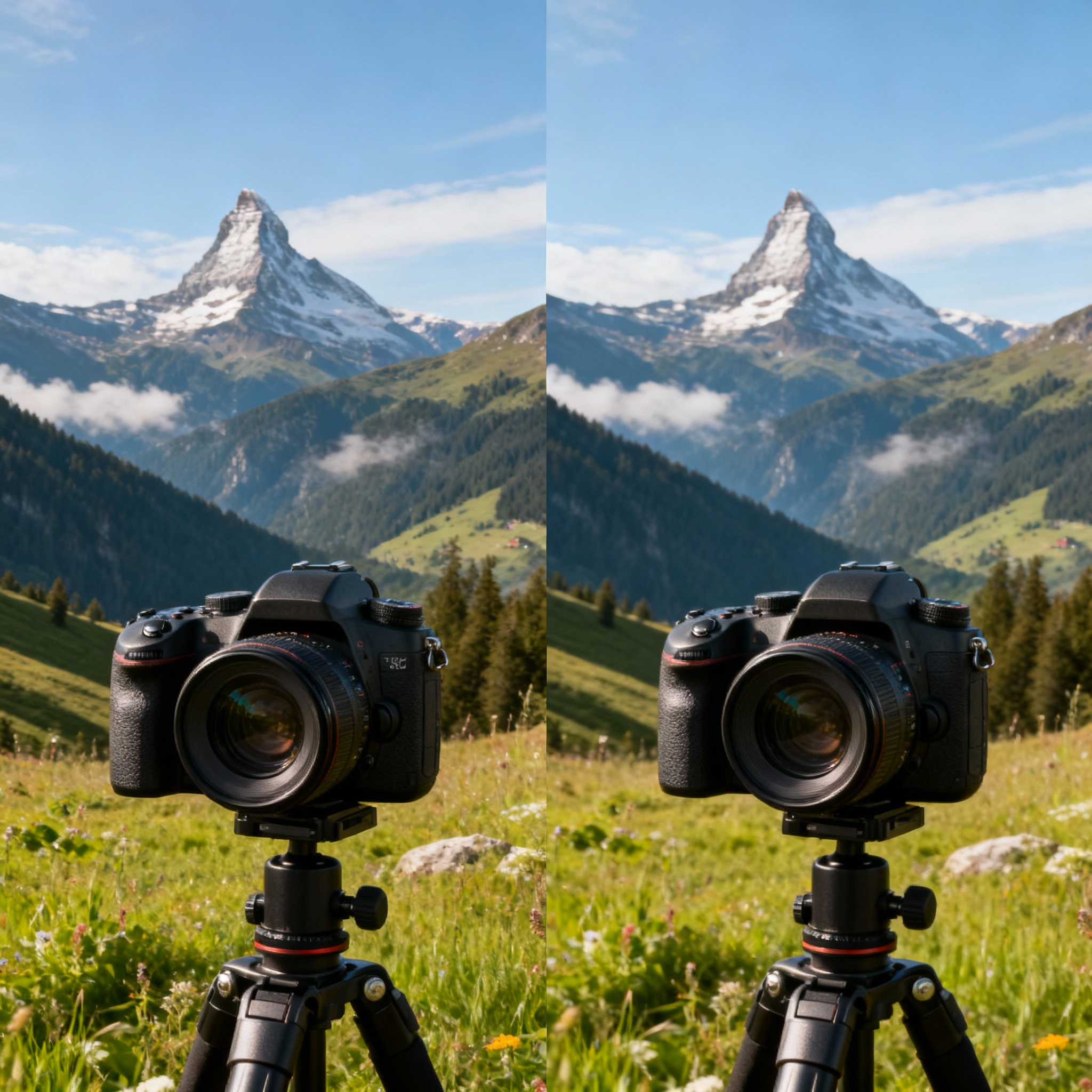
The mirrorless camera market has reached incredible heights in recent years, with two standout performers leading the charge: the Sony A7 IV and the Canon EOS R6 Mark II. Both cameras represent the pinnacle of full-frame mirrorless technology, offering professional-grade features that appeal to photographers and videographers alike.
Choosing between these two exceptional cameras can be challenging, as each brings unique strengths to the table. Whether you’re a professional photographer looking to upgrade your kit or an enthusiast seeking the best possible image quality, this comprehensive comparison will help you make an informed decision.
Key Specifications Comparison
| Feature | Sony A7 IV | Canon EOS R6 Mark II |
|---|---|---|
| Sensor | 33MP Full-Frame BSI CMOS | 24.2MP Full-Frame CMOS |
| Processor | BIONZ XR | DIGIC X |
| ISO Range | 100-51,200 (exp. 50-204,800) | 100-102,400 (exp. 50-204,800) |
| Autofocus Points | 759 phase-detection | 1,053 Dual Pixel CMOS AF II |
| Burst Rate | 10 fps (mechanical) / 10 fps (electronic) | 12 fps (mechanical) / 40 fps (electronic) |
| Video Recording | 4K 60p, 7K oversampling | 4K 60p, 6K oversampling |
| Image Stabilization | 5-axis in-body (5.5 stops) | 5-axis in-body (8 stops with compatible lenses) |
| Battery Life | 520 shots (LCD) / 580 shots (EVF) | 360 shots (LCD) / 380 shots (EVF) |
| Weight | 658g (body only) | 588g (body only) |
| Price Range | $2,498 | $2,499 |
Image Quality and Sensor Performance
Resolution and Detail
The Sony A7 IV takes a clear lead in resolution with its 33-megapixel sensor compared to the Canon R6 Mark II’s 24.2-megapixel sensor. This difference translates to approximately 37% more resolution, making the A7 IV ideal for photographers who need maximum detail for large prints, heavy cropping, or commercial work.
The higher resolution of the Sony A7 IV becomes particularly valuable for:
- Landscape photography where fine details matter
- Portrait work requiring extensive retouching flexibility
- Commercial photography with large print requirements
- Stock photography where resolution commands premium pricing
Low-Light Performance
Despite having fewer megapixels, the Canon R6 Mark II holds its own in low-light situations. The larger individual pixels on its sensor can gather more light, potentially offering a slight advantage in extremely challenging lighting conditions. However, both cameras perform exceptionally well up to ISO 6400, with usable results extending to ISO 25,600.
In real-world testing, the difference in high-ISO performance is minimal between these two cameras. Both handle noise reduction intelligently, preserving detail while minimizing grain. The choice between them often comes down to whether you prioritize absolute resolution or slightly better low-light performance.
Dynamic Range
Both cameras offer impressive dynamic range, typically measuring around 14-15 stops. This allows for significant flexibility in post-processing, especially when shooting in challenging lighting conditions like backlit subjects or high-contrast scenes.
Autofocus Performance
Speed and Accuracy
The Canon R6 Mark II showcases Canon’s renowned Dual Pixel CMOS AF II system with 1,053 autofocus points covering approximately 100% of the frame. This system excels in both speed and accuracy, making it particularly appealing for wildlife and sports photographers.
Sony’s A7 IV features 759 phase-detection points with excellent subject tracking capabilities. While it has fewer AF points than the Canon, Sony’s real-time tracking technology and eye detection (for humans, animals, and birds) remains industry-leading.
Subject Detection and Tracking
Both cameras offer advanced subject detection:
Sony A7 IV:
- Real-time Eye AF for humans, animals, and birds
- Real-time tracking with sticky subject following
- Touch tracking via the rear LCD
Canon R6 Mark II:
- Advanced subject detection for people, animals, and vehicles
- Eye Control AF (with compatible accessories)
- Dual Pixel CMOS AF II with improved low-light sensitivity
Video Capabilities
Recording Specifications
Both cameras are serious contenders for video work, offering 4K recording at up to 60fps. However, there are important distinctions:
Sony A7 IV Video Features:
- 4K 60p recording with 7K oversampling in Super 35 mode
- Full-frame 4K at 30p with full pixel readout
- S-Log3 and HLG recording profiles
- 10-bit 4:2:2 internal recording
- Advanced stabilization with Active mode
Canon R6 Mark II Video Features:
- 4K 60p with 6K oversampling
- Dual Pixel CMOS AF II in video mode
- Canon Log 3 and HDR PQ recording
- 10-bit 4:2:2 internal recording
- Movie Digital IS with enhanced stabilization
Heat Management
Both cameras have made significant improvements in heat management compared to their predecessors. The Canon R6 Mark II addressed the overheating issues that plagued the original R6, now offering extended 4K recording times. The Sony A7 IV also handles heat well, though both cameras can still get warm during extended 4K sessions.
Build Quality and Ergonomics
Weather Sealing and Durability
Both cameras feature robust weather sealing, making them suitable for challenging outdoor conditions. The build quality is exceptional on both models, with magnesium alloy construction providing durability without excessive weight.
The Canon R6 Mark II is slightly lighter at 588g compared to the Sony A7 IV’s 658g, which could be a consideration for photographers who prioritize portability during long shooting sessions.
Controls and Interface
Sony A7 IV:
- Dual memory card slots (CFexpress Type A/SD)
- Articulating LCD screen
- Traditional Sony menu system (improved but still complex)
- Customizable buttons and dials
Canon R6 Mark II:
- Dual SD card slots
- Fully articulating touchscreen LCD
- Canon’s intuitive menu system
- Multi-function bar and customizable controls
The Canon generally offers a more intuitive user experience, especially for photographers transitioning from DSLR systems. Sony’s interface has improved significantly but still requires more learning curve investment.
Battery Life and Connectivity
Power Management
The Sony A7 IV demonstrates superior battery life, offering 520-580 shots per charge compared to the Canon’s 360-380 shots. This difference is significant for event photographers or those working in remote locations where charging opportunities are limited.
Both cameras use USB-C charging and can be powered continuously via external power banks, making them suitable for extended video recording sessions.
Wireless Connectivity
Both cameras offer comprehensive wireless connectivity:
- Wi-Fi 802.11ac
- Bluetooth for low-power connection maintenance
- Smartphone apps for remote control and image transfer
- USB-C for high-speed data transfer and charging
Lens Ecosystem and Compatibility
Native Lens Selection
Sony E-Mount:
- Mature lens ecosystem with extensive selection
- Wide range of first-party and third-party options
- Excellent adaptation capabilities for other lens mounts
- Generally more expensive but high optical quality
Canon RF Mount:
- Rapidly expanding lens lineup
- Innovative lens designs taking advantage of short flange distance
- Strong first-party support with competitive pricing
- Limited third-party options but growing
Adaptation Options
Sony’s E-mount system offers superior lens adaptation flexibility, with high-quality adapters available for virtually every major lens mount. Canon’s RF system is newer and has fewer adaptation options, though native RF lenses often provide better performance than adapted alternatives.
Practical Usage Scenarios
Portrait Photography
Both cameras excel for portrait work, but the Sony A7 IV’s higher resolution provides more flexibility for cropping and detail work. The Canon R6 Mark II’s superior ergonomics and intuitive controls might appeal to portrait photographers who frequently adjust settings mid-session.
Landscape Photography
The Sony A7 IV is generally preferred for landscape work due to its higher resolution and excellent dynamic range. The additional megapixels provide more flexibility for large prints and detailed scenes.
Sports and Wildlife
The Canon R6 Mark II’s faster burst rates (especially in electronic shutter mode at 40fps) and exceptional autofocus tracking make it more suitable for fast-action photography. The superior ergonomics also benefit photographers using longer telephoto lenses.
Video Production
Both cameras are capable video tools, but the choice often depends on existing workflow preferences. Sony’s S-Log3 and extensive video feature set appeal to professional videographers, while Canon’s user-friendly interface and reliable autofocus suit content creators and hybrid shooters.
Price and Value Proposition
Both cameras are priced competitively at around $2,500, making the decision less about budget and more about specific needs and preferences. Consider these factors when evaluating value:
- Long-term lens investment: Sony’s mature ecosystem vs. Canon’s innovative new designs
- Workflow integration: Existing software and hardware compatibility
- Specific feature priorities: Resolution vs. speed, battery life vs. weight
- Brand loyalty and comfort: Familiarity with existing systems
Conclusion and Recommendations
After extensive comparison, both the Sony A7 IV and Canon EOS R6 Mark II are exceptional cameras that will serve photographers and videographers well. The choice ultimately depends on your specific needs and priorities.
Choose the Sony A7 IV if you:
- Prioritize maximum resolution and detail
- Need superior battery life for extended shoots
- Plan to do extensive cropping or large format printing
- Value Sony’s mature lens ecosystem and adaptation options
- Prefer advanced video features and recording options
Choose the Canon EOS R6 Mark II if you:
- Focus primarily on action, sports, or wildlife photography
- Prefer intuitive controls and user-friendly interface
- Need faster burst rates and superior autofocus tracking
- Value lighter weight for extended handheld use
- Want seamless integration with existing Canon systems
Both cameras represent excellent investments in your photographic future. The Sony A7 IV offers more resolution and versatility, while the Canon R6 Mark II provides superior speed and user experience. Consider renting both cameras before making your final decision, as personal preference and shooting style will ultimately determine which camera feels right in your hands.
For photographers seeking even higher resolution, the Sony A7R V offers 61 megapixels, while those prioritizing ultimate speed might consider the Sony A9 III with its revolutionary global shutter technology.
Related Tags
Looking for the Best Camera Deals?
Check out our latest buying guides and comparison articles to find the perfect camera for your needs.
Browse Buying Guides