
Sony RX100 VII vs Canon G7X Mark III: Complete Comparison
Compare Sony RX100 VII and Canon G7X Mark III specs, image quality, video features, and performance to find the best compact camera for your needs.
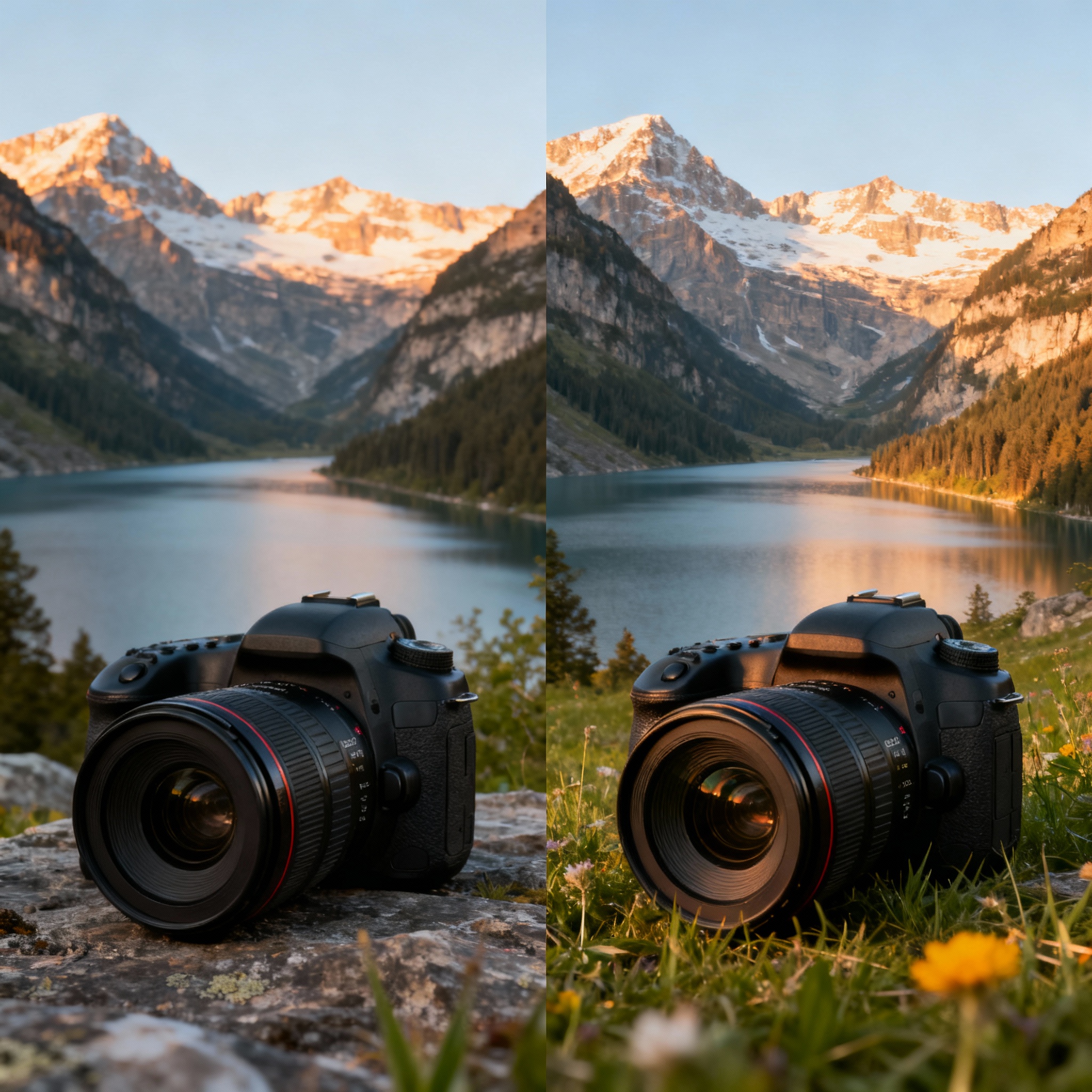
The world of compact cameras has never been more competitive, with manufacturers pushing the boundaries of what’s possible in a pocket-sized device. Two standout contenders in the premium compact camera space are the Sony RX100 VII and the Canon PowerShot G7X Mark III. Both cameras promise professional-level image quality in remarkably portable packages, but which one deserves a place in your camera bag?
In this comprehensive comparison, we’ll dive deep into every aspect of these two powerhouse compact cameras, examining their strengths, weaknesses, and real-world performance to help you make an informed decision.
Quick Overview: Two Premium Compact Powerhouses
The Sony RX100 VII represents the seventh generation of Sony’s acclaimed RX100 series, building upon years of innovation and refinement. It’s designed for photographers who refuse to compromise on image quality despite wanting maximum portability.
The Canon G7X Mark III, meanwhile, is Canon’s answer to the premium compact market, featuring modern connectivity options and impressive video capabilities that cater to content creators and photography enthusiasts alike.
Both cameras target similar audiences but take different approaches to achieving excellence in the compact camera space.
Detailed Specifications Comparison
| Feature | Sony RX100 VII | Canon G7X Mark III |
|---|---|---|
| Sensor | 20.1MP 1-inch CMOS | 20.1MP 1-inch CMOS |
| Processor | BIONZ X | DIGIC 8 |
| Lens | 24-200mm f/2.8-4.5 | 24-100mm f/1.8-2.8 |
| Image Stabilization | Optical (4.0 stops) | Optical (4.0 stops) |
| Autofocus Points | 357 phase/425 contrast | 31 contrast-detect |
| Continuous Shooting | 20fps with AF/AE | 30fps (single AF) |
| Video Recording | 4K UHD 30p, 1080p 120p | 4K UHD 30p, 1080p 60p |
| LCD Screen | 3.0” tilting touchscreen | 3.0” fully articulating touchscreen |
| Viewfinder | 0.39” OLED EVF | None |
| Wi-Fi/Bluetooth | Yes/Yes | Yes/Yes |
| Live Streaming | No | Yes (YouTube) |
| Battery Life | 260 shots | 265 shots |
| Weight | 302g | 304g |
| Dimensions | 101.6 x 58.1 x 42.8mm | 105 x 61 x 42mm |
Image Quality: The Foundation of Great Photography
Sensor Performance
Both cameras feature 20.1-megapixel 1-inch CMOS sensors, which represent a sweet spot between image quality and portability. The larger sensor size compared to typical compact cameras allows for better low-light performance and more natural background blur.
In real-world testing, both cameras deliver excellent image quality with vibrant colors and sharp details. The Sony RX100 VII tends to produce slightly more contrasty images with punchier colors straight out of camera, while the Canon G7X Mark III offers more neutral tones that provide greater flexibility in post-processing.
Low-Light Capabilities
When shooting in challenging lighting conditions, both cameras perform admirably up to ISO 3200. Beyond this point, the Sony RX100 VII shows a slight advantage in noise control, maintaining cleaner images at ISO 6400 and above. However, the difference isn’t dramatic enough to be a deciding factor for most users.
Dynamic Range
The Canon G7X Mark III edges out the Sony in dynamic range, particularly in shadow recovery. This makes it slightly more forgiving when dealing with high-contrast scenes, such as backlit subjects or dramatic landscapes.
Lens Systems: Versatility vs Speed
Sony RX100 VII: The Versatile Telephoto
The Sony’s 24-200mm equivalent lens is a remarkable engineering achievement, packing an 8.3x zoom range into a compact body. This focal length range covers everything from wide-angle landscapes to telephoto portraits and wildlife shots.
The variable aperture of f/2.8-4.5 is reasonable given the zoom range, though it does limit low-light performance at the telephoto end. The lens delivers sharp images throughout the zoom range, with only minor softness at the extreme telephoto setting.
Canon G7X Mark III: The Speed Demon
Canon’s 24-100mm f/1.8-2.8 lens sacrifices zoom range for speed. The wider maximum apertures throughout the zoom range make this camera significantly better for low-light photography and creating shallow depth of field effects.
The 4.2x zoom range, while more limited than the Sony’s, covers the most commonly used focal lengths for everyday photography. The lens is consistently sharp across the entire zoom range and focal plane.
Autofocus Performance: Speed Meets Accuracy
Sony’s Hybrid AF Advantage
The Sony RX100 VII features a sophisticated hybrid autofocus system with 357 phase-detection points covering approximately 68% of the frame. This translates to lightning-fast focus acquisition and excellent subject tracking capabilities.
In practical use, the Sony locks onto subjects almost instantaneously and maintains focus even with moving subjects. The Real-time Tracking and Eye AF features work exceptionally well for both human and animal subjects.
Canon’s Contrast-Detect System
The Canon G7X Mark III relies on a 31-point contrast-detection system, which, while capable, can’t match the speed and accuracy of Sony’s hybrid system. However, Canon’s Dual Pixel CMOS AF technology in video mode provides smooth and accurate focus transitions during recording.
For static subjects and general photography, the Canon’s AF system is perfectly adequate, but the Sony clearly wins in challenging focusing situations.
Video Capabilities: Content Creation Considerations
Recording Specifications
Both cameras offer 4K video recording at 30fps, but their approaches to video differ significantly. The Sony RX100 VII also provides impressive slow-motion capabilities with 1080p recording at up to 120fps, while the Canon maxes out at 60fps.
Stabilization and Quality
Both cameras feature effective optical image stabilization that works well for handheld video recording. The Sony’s stabilization system is particularly impressive when combined with its longer telephoto reach.
Video quality from both cameras is excellent, with good detail retention and color reproduction. The Canon offers slightly better rolling shutter performance, making it more suitable for panning shots.
Content Creator Features
The Canon G7X Mark III stands out with its built-in live streaming capability to YouTube, making it an attractive option for content creators who want to go live without additional equipment. The fully articulating LCD screen also makes it easier to frame shots when recording yourself.
The Sony, while lacking live streaming, offers more professional video features like S-Log recording profiles for advanced color grading.
Design and Usability
Build Quality and Ergonomics
Both cameras feature premium build quality with mostly metal construction. The Sony feels slightly more robust and weather-resistant, though neither camera is fully weather-sealed.
Ergonomically, the Sony RX100 VII provides a more traditional camera experience with its built-in electronic viewfinder and comprehensive manual controls. The Canon prioritizes touchscreen operation and simplified controls, making it more accessible to casual users.
Screen and Interface
The Canon’s fully articulating touchscreen gives it a significant advantage for selfies, vlogging, and awkward angle shots. The Sony’s tilting screen is more limited but still useful for most situations.
Both cameras offer intuitive menu systems, though Sony’s can be overwhelming for beginners due to the sheer number of customization options available.
Real-World Performance
Travel Photography
For travel photography, the Sony RX100 VII’s longer zoom range provides more versatility, allowing you to capture everything from wide architectural shots to telephoto details without changing position. The electronic viewfinder is invaluable in bright sunlight conditions common in travel scenarios.
The Canon G7X Mark III’s brighter lens makes it better for indoor attractions, museums, and evening photography where the wider apertures provide an advantage.
Street Photography
Both cameras excel at street photography due to their compact size and quiet operation. The Sony’s faster autofocus gives it an edge for capturing fleeting moments, while the Canon’s flip screen allows for more discreet shooting angles.
Portrait Work
The Canon G7X Mark III’s wider apertures create more pleasing background blur for portrait work, especially at the wider focal lengths. However, the Sony’s superior eye detection autofocus ensures consistently sharp focus on your subject’s eyes.
Value Proposition and Pricing
Both cameras typically retail at premium price points, reflecting their advanced feature sets and build quality. The Sony RX100 VII generally commands a higher price due to its more advanced autofocus system and longer zoom range.
When considering value, think about which features matter most to your photography style. The Sony offers more professional features and versatility, while the Canon provides better value for content creators and casual photographers who prioritize ease of use.
Practical Tips for Maximum Performance
Battery Life Optimization
Both cameras suffer from relatively modest battery life, typical of compact cameras with advanced features. To maximize shooting time:
- Turn off Wi-Fi when not needed
- Use the LCD screen instead of the EVF when possible (Sony)
- Carry spare batteries for extended shooting sessions
- Enable power-saving modes during breaks
Lens Care
The non-removable lenses on both cameras require careful handling:
- Use lens caps religiously when not shooting
- Consider UV filters for additional protection
- Clean lenses with proper microfiber cloths
- Be gentle with zoom mechanisms
Getting the Best Image Quality
To maximize image quality from either camera:
- Shoot in RAW format for maximum post-processing flexibility
- Use optimal aperture settings (typically f/4-f/8) when possible
- Enable image stabilization for handheld shots
- Learn each camera’s sweet spots for ISO performance
Who Should Choose Each Camera?
Choose the Sony RX100 VII if you:
- Prioritize versatility and zoom range
- Shoot fast-moving subjects regularly
- Prefer having an electronic viewfinder
- Want the most advanced autofocus system
- Don’t mind a steeper learning curve for professional features
Choose the Canon G7X Mark III if you:
- Create content for social media or YouTube
- Shoot primarily in good lighting conditions
- Value ease of use and touchscreen operation
- Need a fully articulating screen
- Want built-in live streaming capabilities
If you find yourself needing even more advanced features and don’t mind a larger camera system, consider stepping up to mirrorless options like the Sony A7 IV for professional versatility, or the Sony A7R V for maximum resolution and detail.
Conclusion: Two Excellent Cameras, Different Strengths
Both the Sony RX100 VII and Canon G7X Mark III represent the pinnacle of compact camera technology, each excelling in different areas. The Sony RX100 VII is the more versatile and technically advanced option, offering superior autofocus, longer zoom range, and more professional features. It’s the better choice for serious photographers who want maximum capability in a compact package.
The Canon G7X Mark III, while less technically advanced in some areas, offers excellent value for content creators and casual photographers. Its brighter lens, flip screen, and live streaming capabilities make it particularly appealing for social media content creation and everyday photography.
Ultimately, your choice should depend on your specific needs, shooting style, and budget. Both cameras will deliver excellent results in the hands of a capable photographer. Consider renting or testing both cameras if possible before making your final decision – the best camera is the one that feels right in your hands and matches your photographic vision.
For those seeking the ultimate in camera performance and don’t mind larger systems, the Sony A9 III offers cutting-edge technology for professional applications, though at a significantly higher price point and larger form factor.
Related Tags
Looking for the Best Camera Deals?
Check out our latest buying guides and comparison articles to find the perfect camera for your needs.
Browse Buying Guides