
Sony vs Canon Mirrorless: Which Camera System Wins in 2024?
Compare Sony and Canon mirrorless cameras head-to-head. We analyze image quality, autofocus, lens selection, and value to help you choose the best system.
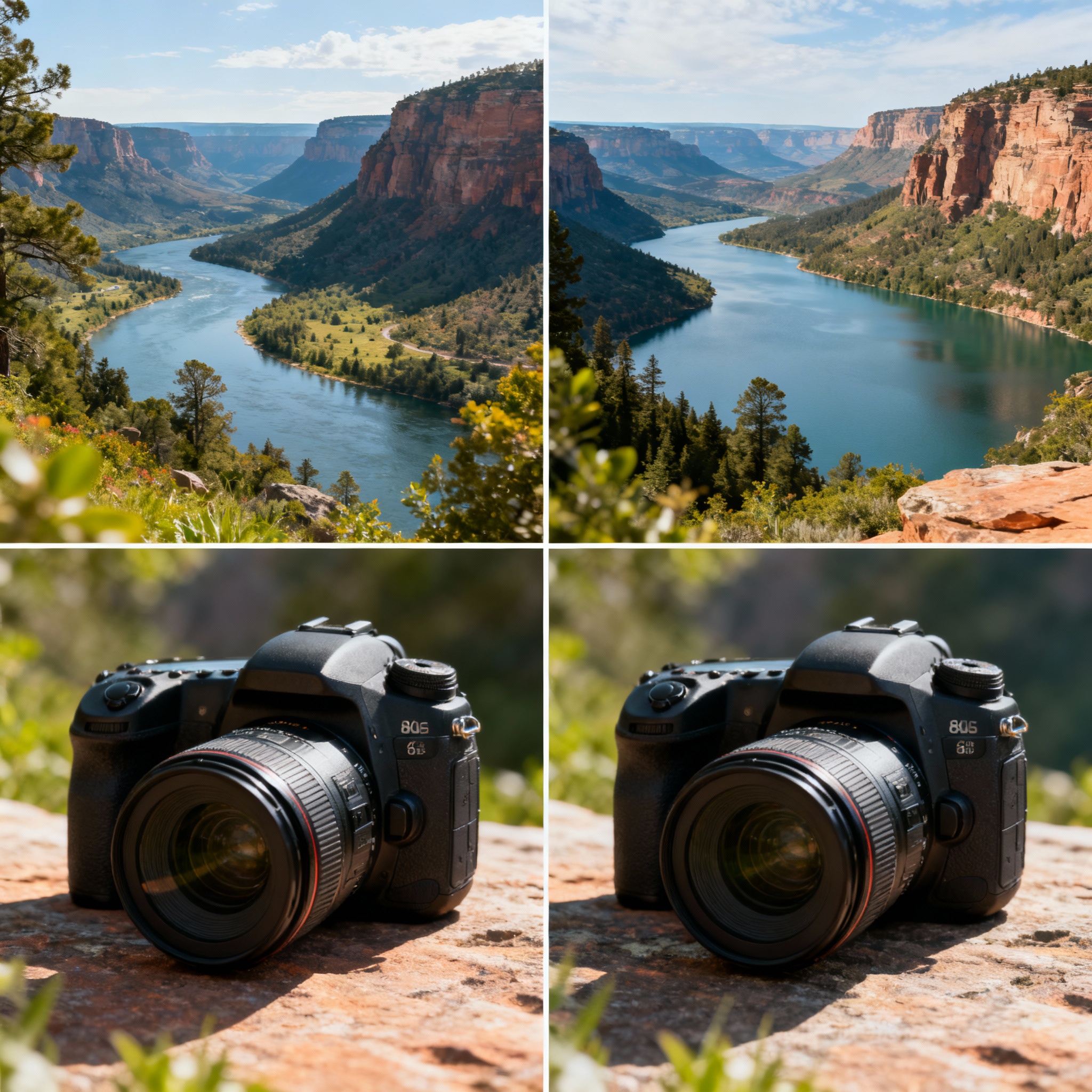
The Great Camera Debate: Sony vs Canon in the Mirrorless Arena
The mirrorless camera revolution has fundamentally changed photography, and two brands stand at the forefront of this transformation: Sony and Canon. Both companies have invested heavily in their mirrorless ecosystems, creating compelling options for photographers at every level. But which system truly delivers the best value, performance, and future-proofing for your investment?
This comprehensive comparison dives deep into the strengths and weaknesses of each system, examining everything from sensor technology to lens ecosystems, helping you make an informed decision that aligns with your photography goals.
Sony Mirrorless: The Pioneer’s Advantage
Sony entered the full-frame mirrorless market early and has maintained its position as an innovator. The company’s Alpha series has consistently pushed boundaries in sensor technology, autofocus performance, and video capabilities.
Key Sony Mirrorless Strengths
Cutting-Edge Sensor Technology Sony’s in-house sensor development gives them a significant advantage. Their cameras often feature the latest sensor innovations before competitors, including advanced back-illuminated designs and superior low-light performance. The Sony A7R V exemplifies this with its 61-megapixel sensor that delivers exceptional dynamic range and detail.
Superior Autofocus Systems Sony’s Real-time Eye AF and advanced subject tracking have set industry standards. Their cameras excel at tracking moving subjects, making them ideal for wildlife, sports, and portrait photography. The Sony A9 III takes this further with its revolutionary global shutter technology.
Video Excellence Sony cameras are renowned for their video capabilities, offering features like 4K recording, advanced codecs, and professional video tools that appeal to content creators and filmmakers.
Sony System Considerations
While Sony leads in many technical aspects, the system isn’t without drawbacks. Menu systems can be complex for newcomers, and some users find the ergonomics less intuitive compared to traditional DSLR designs. Additionally, Sony’s rapid innovation cycle sometimes means newer features aren’t backward compatible with older lenses or accessories.
Canon Mirrorless: The Established Giant’s Response
Canon’s entry into the mirrorless market with the EOS R system brought decades of imaging expertise and a massive existing user base. The company has focused on creating a system that feels familiar to Canon DSLR users while incorporating modern mirrorless advantages.
Key Canon Mirrorless Strengths
Exceptional Build Quality and Ergonomics Canon cameras typically offer superior physical controls and intuitive menu systems. The company’s decades of camera design experience show in their mirrorless offerings, with comfortable grips, well-placed buttons, and logical interface design.
Outstanding Color Science Canon’s color reproduction, particularly for skin tones, is widely regarded as industry-leading. This makes Canon cameras particularly appealing for portrait and wedding photographers who prioritize natural, pleasing color rendition straight from the camera.
Dual Pixel CMOS AF Canon’s Dual Pixel autofocus technology provides smooth, accurate focusing for both stills and video. The system excels in live view and video recording situations.
Canon System Considerations
Canon’s later entry into mirrorless meant playing catch-up in some areas. While they’ve rapidly expanded their lens lineup, Sony’s head start means a broader native lens selection. Canon’s video features, while good, sometimes lag behind Sony’s offerings in professional applications.
Head-to-Head Comparison: Key Models
| Feature | Sony A7 IV | Canon EOS R6 Mark II | Sony A7R V | Canon EOS R5 |
|---|---|---|---|---|
| Resolution | 33MP | 24.2MP | 61MP | 45MP |
| ISO Range | 100-51,200 | 100-102,400 | 100-32,000 | 100-51,200 |
| Burst Rate | 10fps | 12fps | 10fps | 12fps |
| Video | 4K/60p | 4K/60p | 8K/24p | 8K/30p |
| Image Stabilization | 5.5 stops | 8 stops | 8 stops | 8 stops |
| AF Points | 759 | 6,072 | 693 | 5,940 |
| Battery Life | 520 shots | 760 shots | 530 shots | 490 shots |
| Price Range | $2,500 | $2,400 | $3,900 | $3,900 |
Lens Ecosystems: Where the Real Battle Lies
The camera body is just the beginning – the lens ecosystem determines your long-term satisfaction and creative possibilities.
Sony FE Mount System
Sony’s FE mount has matured rapidly, now offering over 70 native lenses from Sony and third-party manufacturers. The system benefits from:
- Extensive third-party support: Sigma, Tamron, and other manufacturers have embraced the FE mount
- Innovative designs: Lenses like the 12-24mm f/2.8 GM push technical boundaries
- Compact options: Many FE lenses are designed specifically for mirrorless, offering size and weight advantages
The Sony A7 IV works beautifully with this extensive lens ecosystem, providing excellent image quality across the focal range spectrum.
Canon RF Mount System
Canon’s RF mount, while newer, benefits from the company’s optical expertise:
- Larger mount diameter: Enables innovative optical designs and potentially superior image quality
- EF lens compatibility: Excellent adapters allow use of Canon’s extensive EF lens catalog
- Control ring integration: Many RF lenses feature customizable control rings for enhanced usability
Third-Party Lens Support
Sony currently enjoys broader third-party support, with manufacturers like Sigma, Tamron, Zeiss, and Voigtlander offering native FE lenses. Canon’s RF system is growing but hasn’t yet reached the same level of third-party adoption.
Autofocus Performance: The Modern Priority
Autofocus capabilities often determine which camera system works best for specific photography styles.
Sony’s Autofocus Advantages
- Real-time Eye AF: Works for humans, animals, and birds
- Subject recognition: Advanced AI identifies and tracks various subjects
- Low-light performance: Focuses down to -4 EV in some models
- Global shutter: The A9 III eliminates rolling shutter issues entirely
Canon’s Autofocus Strengths
- Dual Pixel coverage: Nearly 100% frame coverage in many models
- Smooth video tracking: Particularly strong for video applications
- Face detection: Excellent performance for portrait photography
- Customizable zones: Flexible AF area selection options
Video Capabilities: Content Creator Considerations
Both systems excel at video, but with different strengths.
Sony Video Leadership
Sony cameras often lead in video specifications:
- Advanced codecs (XAVC-S, All-I)
- Professional features like S-Log profiles
- Excellent low-light video performance
- Long recording times without overheating (in most models)
Canon Video Excellence
Canon focuses on usability and color:
- Superior color science for video
- Intuitive video controls
- Excellent Dual Pixel AF for video
- Good Canon Log implementation
Real-World Performance: Practical Considerations
Battery Life and Handling
Canon generally offers better battery life, with some models lasting 700+ shots per charge. Sony has improved significantly but still typically delivers 400-600 shots per battery. Both systems benefit from USB-C charging in newer models.
Handling preferences vary individually, but Canon cameras often feel more familiar to DSLR users, while Sony designs prioritize compactness and customization.
Weather Sealing and Durability
Both manufacturers offer excellent weather sealing in their higher-end models. Canon cameras often feel slightly more robust, while Sony cameras may offer better protection against dust and moisture in comparable models.
Menu Systems and User Interface
Canon menus are generally more intuitive for newcomers, following traditional camera design principles. Sony menus offer more customization options but can overwhelm new users. Both companies have improved their interfaces significantly in recent generations.
Price and Value Considerations
Entry-Level Options
- Sony: A7 III provides excellent value with proven performance
- Canon: EOS RP offers affordability but with some feature limitations
Mid-Range Champions
- Sony: The Sony A7 IV balances resolution, speed, and video features excellently
- Canon: EOS R6 Mark II excels in sports and low-light photography
High-Resolution Leaders
- Sony: Sony A7R V dominates landscape and studio photography
- Canon: EOS R5 offers excellent all-around high-resolution performance
Professional Speed
- Sony: Sony A9 III revolutionizes sports photography with global shutter technology
- Canon: EOS R3 provides excellent sports performance with superior ergonomics
Making Your Decision: Practical Recommendations
Choose Sony If:
- You prioritize cutting-edge technology and specifications
- Video creation is important to your workflow
- You value extensive third-party lens options
- Low-light performance is crucial
- You appreciate compact, customizable camera designs
Choose Canon If:
- You prefer intuitive controls and familiar ergonomics
- Color accuracy and skin tone reproduction are priorities
- You own existing Canon EF lenses
- Battery life is important for your shooting style
- You value established customer support and service networks
Specific Use Case Recommendations
Landscape Photography: Sony A7R V for maximum resolution and dynamic range
Wedding Photography: Canon EOS R6 Mark II for color rendition and battery life
Sports Photography: Sony A9 III for unmatched speed and no blackout shooting
Content Creation: Sony A7 IV for versatile video features and hybrid performance
Portrait Photography: Canon EOS R5 for color science and excellent resolution balance
Future-Proofing Your Investment
Both Sony and Canon are heavily invested in their mirrorless systems, ensuring continued development and support. Sony’s earlier start provides a more mature ecosystem, while Canon’s rapid development and strong market position suggest robust future growth.
Consider your long-term photography goals when making this investment. The lens ecosystem you choose will likely influence your camera decisions for years to come.
Conclusion: No Universal Winner, But Clear Choices
The Sony vs Canon mirrorless debate doesn’t have a single winner because both systems excel in different areas. Sony leads in innovation, specifications, and video features, making it ideal for technically-minded photographers and content creators. Canon excels in usability, color reproduction, and overall shooting experience, appealing to photographers who prioritize intuitive operation and natural image quality.
Your choice should align with your specific needs, shooting style, and long-term goals. Both systems offer exceptional image quality and performance that would have been unimaginable just a decade ago. The real winner is photographers who now have access to two outstanding mirrorless ecosystems, each pushing the other to continuous improvement.
Consider renting or testing cameras from both systems before making your final decision. The best camera system is the one that feels right in your hands and supports your creative vision effectively. Whether you choose Sony’s technical leadership or Canon’s refined approach, you’ll have access to tools capable of capturing stunning images and videos.
Related Tags
Looking for the Best Camera Deals?
Check out our latest buying guides and comparison articles to find the perfect camera for your needs.
Browse Buying Guides