
Street Photography Tips for Beginners: Complete Guide
Learn essential street photography techniques, camera settings, and composition tips. Master candid shots, lighting, and ethics with our beginner-friendly guide.
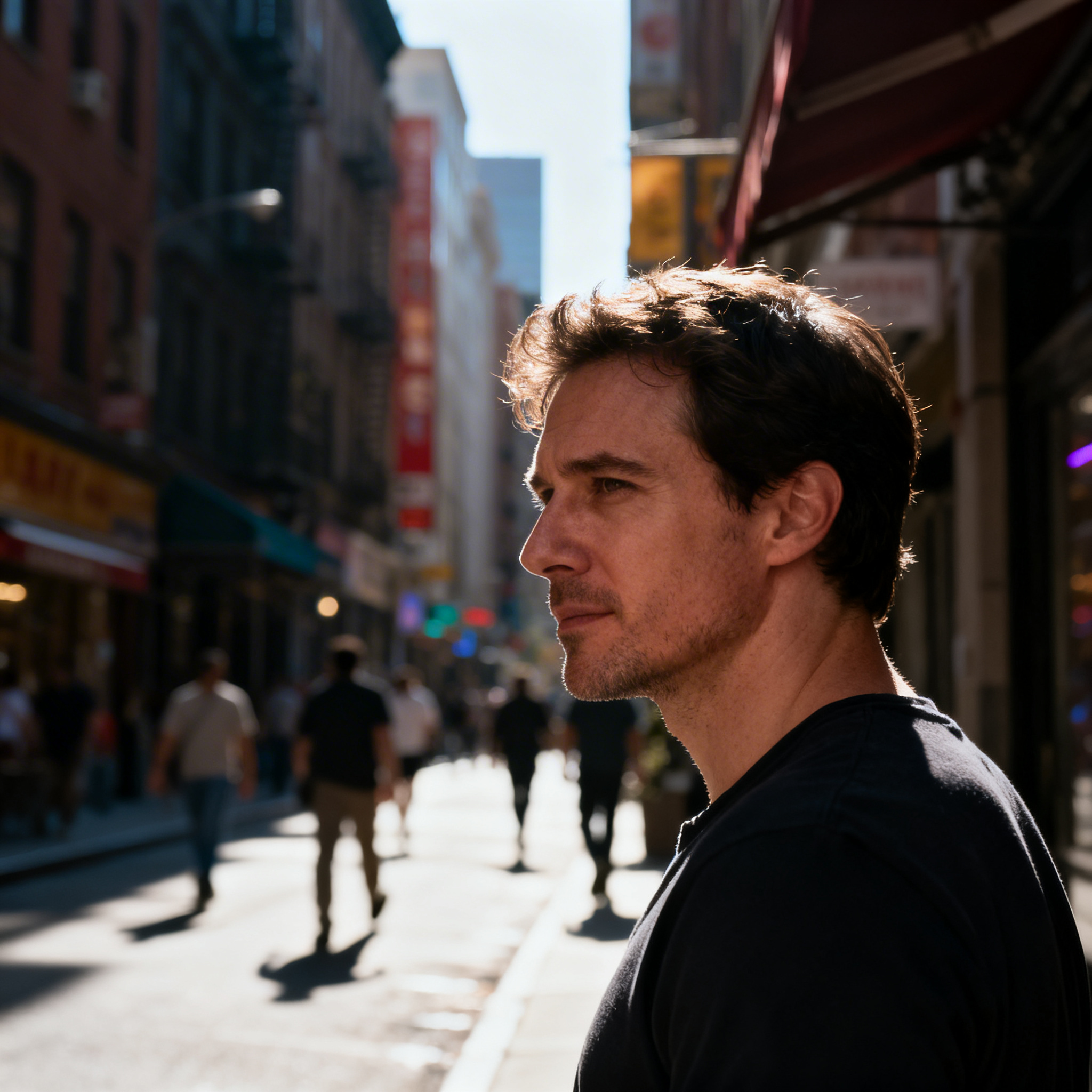
Street photography captures the raw essence of human life, revealing candid moments that tell compelling stories. For beginners venturing into this exciting genre, the urban landscape offers endless opportunities to create powerful images that document our shared human experience. This comprehensive guide will equip you with the essential knowledge and techniques needed to excel in street photography.
Understanding Street Photography
Street photography is the art of capturing unposed, spontaneous moments in public spaces. Unlike portrait or studio photography, street photography thrives on authenticity and the unexpected. The goal is to document life as it happens, creating images that evoke emotion and tell stories about the human condition.
The beauty of street photography lies in its accessibility – you don’t need elaborate setups or expensive equipment to get started. However, mastering this art form requires developing a keen eye for composition, understanding light, and learning to anticipate decisive moments.
Essential Equipment for Street Photography
Camera Selection
While you can practice street photography with any camera, including smartphones, a dedicated camera offers greater creative control. For beginners, consider these options:
Mirrorless Cameras: These offer excellent image quality in a compact form factor, making them ideal for street photography. The Sony A7 IV is an exceptional choice for serious beginners and professionals alike.
| Specification | Sony A7 IV Details |
|---|---|
| Sensor | 33MP Full-Frame CMOS |
| ISO Range | 100-51,200 (expandable to 204,800) |
| Autofocus Points | 759 phase-detection points |
| Burst Rate | 10 fps |
| Video | 4K at 60p |
| Weight | 658g (body only) |
| Battery Life | 520 shots |
DSLR Cameras: Traditional DSLRs offer excellent battery life and a wide selection of lenses, though they tend to be bulkier than mirrorless alternatives.
Smartphone Cameras: Modern smartphones produce impressive results and offer the ultimate in discretion and portability.
Lens Recommendations
35mm lens: Considered the classic street photography focal length, 35mm provides a natural field of view that closely matches human vision. It’s wide enough to capture environmental context while still allowing you to isolate subjects.
50mm lens: Often called the “nifty fifty,” this focal length is perfect for portraits and intimate street scenes. It requires you to get closer to your subjects, which can lead to more engaging images.
85mm lens: Ideal for candid portraits and situations where you need to maintain distance from your subjects.
Additional Accessories
- Extra batteries: Street photography sessions can last hours
- Memory cards: Bring spares and ensure they’re fast enough for burst shooting
- Comfortable camera strap: Consider a wrist strap or cross-body strap for quick access
- Lens cleaning cloth: Essential for maintaining image quality throughout the day
Camera Settings for Street Photography
Shooting Modes
Aperture Priority Mode (A/Av): This mode gives you control over depth of field while the camera selects the appropriate shutter speed. It’s ideal for most street photography situations.
Manual Mode: Use this when lighting conditions are consistent, such as during golden hour or in evenly lit urban environments.
Shutter Priority Mode (S/Tv): Perfect when you need to control motion blur, such as when photographing moving subjects or panning shots.
Recommended Settings
Aperture: Start with f/5.6 to f/8 for general street photography. This range provides sufficient depth of field to keep most subjects in focus while maintaining good sharpness. Use f/2.8 to f/4 for portraits or when you want to isolate subjects with shallow depth of field.
ISO: Modern cameras handle high ISO values remarkably well. Don’t hesitate to use ISO 800-3200 in challenging lighting conditions. The Sony A7 IV performs exceptionally well up to ISO 12,800, making it perfect for low-light street photography.
Shutter Speed: Maintain at least 1/focal length to avoid camera shake (e.g., 1/50s for a 50mm lens). For freezing action, use 1/125s or faster. For intentional motion blur, experiment with slower speeds around 1/30s to 1/60s.
Focus Mode: Use continuous autofocus (AF-C/AI Servo) for moving subjects, and single-point autofocus (AF-S/One Shot) for static scenes.
Composition Techniques
Rule of Thirds
Divide your frame into nine equal sections and place important elements along these lines or at their intersections. This creates more dynamic and visually appealing compositions than centering subjects.
Leading Lines
Use architectural elements, sidewalks, or shadows to guide the viewer’s eye through the image. Urban environments are rich with natural leading lines that can enhance your compositions.
Framing
Look for natural frames within the environment – doorways, windows, bridges, or architectural elements that can frame your subjects and add depth to your images.
Layering
Create depth by including foreground, middle ground, and background elements. This technique adds dimensionality to your two-dimensional photographs.
Symmetry and Patterns
Urban environments offer numerous opportunities for symmetrical compositions or interesting patterns. Look for reflections in windows, repetitive architectural elements, or organized chaos in busy scenes.
Finding Your Subjects and Locations
Urban Environments
Markets and Shopping Areas: These locations offer diverse subjects and interesting interactions between people.
Public Transportation Hubs: Train stations, bus stops, and subway systems provide excellent opportunities for candid photography.
Street Festivals and Events: These gather diverse groups of people in celebratory moods, creating dynamic photographic opportunities.
Business Districts: Capture the rhythm of urban professional life during rush hours.
Timing Your Shoots
Golden Hour: The hour after sunrise and before sunset provides warm, flattering light that enhances any street scene.
Blue Hour: The period just after sunset creates a beautiful contrast between artificial lights and the deep blue sky.
Overcast Days: Cloudy conditions provide even, diffused lighting that’s perfect for portraits and reduces harsh shadows.
Rush Hours: These times offer the most dynamic street activity and interesting human interactions.
Approaching and Photographing People
Building Confidence
Start by photographing in busy areas where your presence is less noticeable. Practice with a longer lens initially if you’re uncomfortable getting close to subjects.
The Art of Being Invisible
Dress inconspicuously and avoid drawing attention to yourself. Spend time in a location before shooting, allowing people to become accustomed to your presence.
Candid vs. Posed
While street photography traditionally focuses on candid moments, don’t be afraid to interact with interesting subjects. A smile and friendly approach can lead to compelling portrait opportunities.
Respecting Privacy
Always be respectful of people’s privacy and cultural sensitivities. If someone objects to being photographed, respect their wishes and delete the image if necessary.
Legal and Ethical Considerations
Know Your Rights
In most public spaces, you have the legal right to photograph people without their permission. However, laws vary by location, so research local regulations before shooting.
Commercial Use
If you plan to sell or publish your images commercially, you may need model releases from recognizable subjects.
Ethical Guidelines
- Avoid exploiting vulnerable individuals
- Don’t photograph in sensitive locations without permission
- Consider the impact of your images on the subjects portrayed
- Be culturally sensitive and respectful
Post-Processing Tips for Street Photography
Software Recommendations
Adobe Lightroom: Excellent for organizing and batch-processing street photography sessions.
Adobe Photoshop: Useful for more advanced editing and spot removal.
Capture One: Offers exceptional color grading tools and tethering capabilities.
Basic Adjustments
Exposure Correction: Street photography often involves challenging lighting conditions, so exposure adjustments are frequently necessary.
Highlight and Shadow Recovery: Modern RAW processors excel at recovering detail from highlights and shadows.
Clarity and Texture: These adjustments can enhance the gritty, urban feel characteristic of street photography.
Black and White Conversion: Many street photographs benefit from monochrome treatment, which emphasizes composition and emotion over color.
Maintaining Authenticity
While post-processing can enhance your images, avoid over-editing that compromises the authentic feel of street photography. Subtle adjustments that enhance rather than dramatically alter the scene work best.
Common Mistakes to Avoid
Technical Mistakes
- Using overly shallow depth of field: This can result in important elements being out of focus
- Neglecting backgrounds: Busy or distracting backgrounds can ruin otherwise good compositions
- Incorrect white balance: Mixed lighting conditions can create unnatural color casts
Compositional Errors
- Centering everything: This creates static, uninteresting compositions
- Tilted horizons: Unless intentional, crooked horizons appear amateurish
- Cutting off limbs: Be mindful of how you crop people in your frame
Behavioral Issues
- Being too aggressive: Respect personal space and privacy
- Not being patient: Great street photography often requires waiting for the right moment
- Ignoring the light: Good light can transform an ordinary scene into something extraordinary
Developing Your Unique Style
Study the Masters
Research renowned street photographers like Henri Cartier-Bresson, Vivian Maier, and Bruce Gilden. Analyze their techniques and understand what makes their work compelling.
Practice Regularly
Consistency is key to improving your street photography skills. Try to photograph regularly, even if it’s just during your daily commute.
Experiment with Different Approaches
Try various focal lengths, shooting angles, and subjects to discover what resonates with your vision.
Share and Seek Feedback
Join photography communities, both online and offline, to share your work and receive constructive criticism.
Building a Street Photography Portfolio
Curating Your Best Work
Quality trumps quantity. Select 15-20 of your strongest images rather than overwhelming viewers with dozens of mediocre shots.
Creating Cohesion
Look for common themes, styles, or subjects that tie your portfolio together while still showing variety in your work.
Online Presence
Create accounts on photography-focused platforms like Instagram, Flickr, or 500px to share your work and connect with other photographers.
Conclusion
Street photography offers an incredible opportunity to document life, develop your artistic vision, and tell compelling stories through images. Success in this genre comes from understanding your equipment, mastering fundamental techniques, and developing the patience to wait for decisive moments.
Start with basic equipment – even a smartphone can produce remarkable street photographs. Focus on composition, light, and timing rather than getting caught up in technical specifications. The Sony A7 IV is an excellent choice when you’re ready to upgrade to professional-level equipment, offering exceptional image quality and low-light performance.
Remember that street photography is as much about developing your eye and building confidence as it is about technical skills. Practice regularly, study the work of established photographers, and don’t be afraid to experiment with different approaches. Most importantly, always maintain respect for your subjects and the communities you photograph.
With dedication and practice, you’ll develop the skills needed to capture compelling street photographs that document the world around you while expressing your unique artistic vision. The streets are full of stories waiting to be told – your journey as a street photographer begins with taking that first step outside with your camera.
Related Tags
Looking for the Best Camera Deals?
Check out our latest buying guides and comparison articles to find the perfect camera for your needs.
Browse Buying Guides