
Street Photography Tips for Beginners: Complete Guide 2024
Master street photography with our beginner's guide. Learn essential camera settings, composition techniques, and ethical tips to capture stunning urban moments.
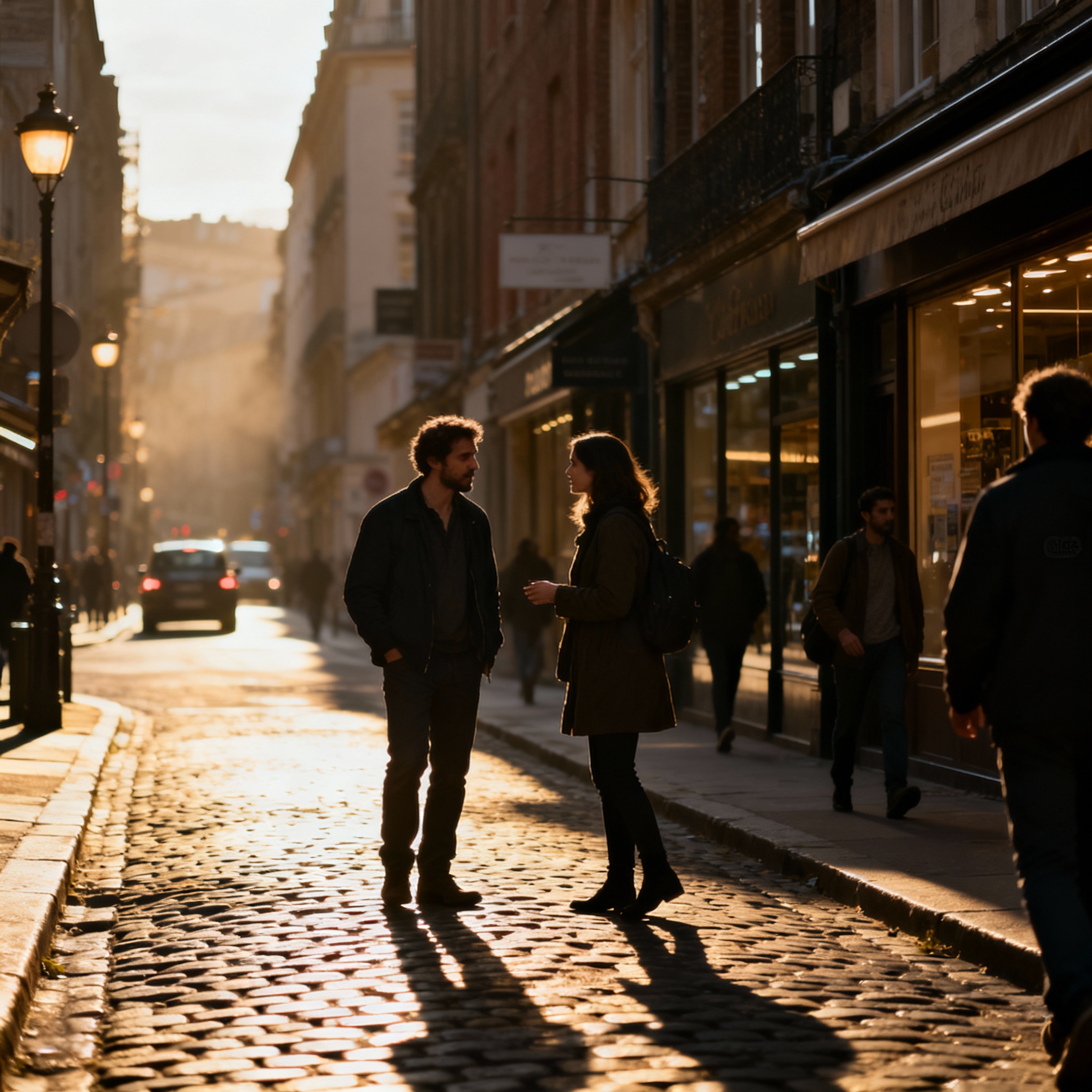
Street photography is one of the most accessible and rewarding forms of photography, capturing the authentic moments of everyday life as they unfold naturally around us. Whether you’re drawn to the bustling energy of city streets or the quiet charm of small-town life, street photography offers endless opportunities to tell compelling visual stories.
For beginners, street photography might seem intimidating – after all, you’re photographing strangers in public spaces, often without their explicit permission. However, with the right approach, equipment, and mindset, anyone can master this art form and create powerful images that document the human experience.
What Makes Great Street Photography
Before diving into the technical aspects, it’s important to understand what distinguishes exceptional street photography from simple snapshots. Great street photography captures genuine moments that reveal something about the human condition, urban life, or social dynamics.
The best street photographs often feature strong composition, compelling subjects, and decisive moments – that split second when all elements align perfectly. They tell stories without words, evoke emotions, and provide viewers with a window into different worlds and experiences.
Successful street photographers develop an eye for interesting light, shadows, and geometric patterns within urban environments. They learn to anticipate moments before they happen and position themselves to capture them effectively.
Essential Equipment for Street Photography
Camera Selection
While you can practice street photography with any camera – including smartphones – having the right equipment can significantly improve your results and shooting experience.
For beginners serious about developing their street photography skills, a mirrorless camera like the Sony A7 IV offers an excellent balance of image quality, portability, and advanced features. This full-frame camera provides exceptional low-light performance, fast autofocus, and silent shooting modes that are crucial for street photography.
Key features to look for in a street photography camera:
- Fast, accurate autofocus system
- Good low-light performance (high ISO capabilities)
- Compact, lightweight design
- Silent or quiet shooting modes
- Flip-out or tilting LCD screen
- Weather sealing (beneficial but not essential)
Lens Recommendations
Your lens choice dramatically impacts both your shooting style and the types of images you can capture. Here are the most popular focal lengths for street photography:
35mm equivalent: This wide-angle lens allows you to capture environmental context while getting close to your subjects. It’s excellent for showing the relationship between people and their surroundings.
50mm equivalent: Often called the “standard” lens, 50mm closely matches human vision and creates natural-looking perspectives. This focal length forces you to move closer to your subjects, often resulting in more engaging images.
85mm equivalent: This short telephoto lens lets you maintain distance from subjects while still capturing intimate moments. It’s ideal for candid portraits and situations where you prefer to remain unobtrusive.
Many street photographers prefer prime lenses over zooms because they’re typically smaller, lighter, and have wider maximum apertures for better low-light performance.
Additional Gear
Keep your street photography kit minimal to maintain mobility and avoid drawing attention:
- Extra batteries (cold weather drains them quickly)
- High-speed memory cards
- Comfortable camera strap or wrist strap
- Lens cloth for cleaning
- Optional: small reflector for fill light in portraits
Camera Settings for Street Photography
Shooting Modes
Aperture Priority Mode (A/Av): This semi-automatic mode gives you control over depth of field while the camera selects appropriate shutter speed. It’s ideal for most street photography situations.
Manual Mode: Use this when lighting conditions are consistent or when you want complete creative control. Manual mode is particularly useful during golden hour or when working with artificial lighting.
Shutter Priority Mode (S/Tv): Choose this mode when motion is your primary concern, such as capturing moving subjects or intentional motion blur.
Recommended Settings
Aperture: Start with f/5.6 to f/8 for good depth of field that keeps most subjects in focus. Use wider apertures (f/1.4-f/2.8) when you want to isolate subjects or shoot in low light.
ISO: Modern cameras handle ISO 1600-3200 well, so don’t hesitate to raise ISO to maintain faster shutter speeds. The Sony A7 IV produces excellent results even at ISO 6400, giving you flexibility in challenging lighting conditions.
Shutter Speed: Maintain at least 1/focal length (e.g., 1/50s for 50mm lens) to avoid camera shake. For moving subjects, use 1/125s or faster.
Focus Mode: Use single-point autofocus (AF-S/One Shot) for stationary subjects, or continuous autofocus (AF-C/AI Servo) for moving subjects.
Metering Mode: Matrix/Evaluative metering works well in most situations, but consider spot metering when your subject is backlit or in challenging lighting conditions.
Composition Techniques for Street Photography
Rule of Thirds
Place important elements along imaginary lines that divide your frame into thirds, both horizontally and vertically. This creates more dynamic, visually interesting compositions than centering everything.
Leading Lines
Use architectural elements, shadows, or street markings to guide viewers’ eyes through your image toward your main subject. Urban environments offer abundant opportunities for incorporating leading lines.
Framing
Look for natural frames within the scene – doorways, windows, arches, or overhanging elements that surround your subject and draw attention to them.
Layering
Create depth by including foreground, middle ground, and background elements. This technique adds dimension to your images and provides context for your subjects.
Patterns and Repetition
Urban environments are full of repeating elements – windows, steps, shadows, or architectural details. Use these patterns as compositional tools, especially when a human element breaks the pattern.
Techniques for Capturing Candid Moments
The Art of Becoming Invisible
The key to great street photography is learning to blend into your environment. Dress appropriately for your location, avoid large, conspicuous camera equipment, and move confidently through spaces as if you belong there.
Patience and Anticipation
Great street photography often requires waiting for the right moment. Study a scene, identify potential spots where interesting interactions might occur, and position yourself accordingly. Learn to anticipate moments before they happen.
Zone Focusing Technique
Set your lens to manual focus and use hyperfocal distance to ensure everything from a certain distance to infinity remains sharp. This technique allows for faster shooting without waiting for autofocus, especially useful for unexpected moments.
Zone focusing setup:
- Set aperture to f/8 or f/11
- Focus to hyperfocal distance (usually 8-15 feet depending on focal length)
- Everything from half that distance to infinity will be acceptably sharp
Continuous Shooting Mode
Don’t rely on single shots for action or fleeting expressions. Use burst mode to capture sequences, then select the best frame later. This is particularly important for capturing peak moments in gestures or interactions.
Understanding Light in Street Photography
Golden Hour Magic
The hour after sunrise and before sunset provides warm, flattering light that transforms ordinary street scenes into extraordinary images. Plan shooting sessions around these times when possible.
Working with Harsh Light
Midday sun creates strong shadows that many photographers avoid, but these conditions can produce dramatic, high-contrast images. Look for interesting shadow patterns and use them as compositional elements.
Artificial Light Sources
Cities come alive at night with neon signs, street lamps, and illuminated windows. Learn to balance artificial light with ambient light for compelling evening street photography.
Overcast Conditions
Don’t dismiss cloudy days – overcast skies act as giant softboxes, providing even, flattering light for portraits and reducing harsh shadows in urban environments.
Legal and Ethical Considerations
Know Your Rights
In most countries, you have the legal right to photograph people in public spaces without their permission. However, laws vary by location, so research local regulations before shooting.
Respect and Common Sense
Legal doesn’t always mean appropriate. Use judgment about when and whom to photograph. Avoid photographing people in vulnerable situations, and be respectful if someone asks you not to photograph them.
The Question of Permission
Some street photographers prefer asking permission, while others believe it destroys the candidness they’re seeking. Both approaches are valid – find what works for your style and comfort level.
Benefits of asking permission:
- Builds rapport with subjects
- Eliminates legal concerns
- Often results in better cooperation
Benefits of not asking:
- Maintains natural expressions and behavior
- Captures truly candid moments
- Allows for faster shooting in dynamic situations
Common Mistakes to Avoid
Over-Processing Images
While post-processing is important, heavy-handed editing can make street photography look artificial. Aim for natural-looking results that enhance rather than drastically alter reality.
Focusing Only on Equipment
Expensive gear doesn’t automatically create better images. Focus on developing your eye, understanding light, and mastering composition before investing in premium equipment.
Neglecting Backgrounds
Always check what’s behind your subject before shooting. Distracting elements, merged horizons, or cluttered backgrounds can ruin otherwise excellent images.
Shooting Without Purpose
Avoid the “spray and pray” approach of taking hundreds of random photos. Instead, develop a clear vision for what you want to capture and be selective about when you press the shutter.
Ignoring the Decisive Moment
Street photography pioneer Henri Cartier-Bresson emphasized the importance of capturing the decisive moment – that perfect instant when all elements align. Learn to recognize and anticipate these moments rather than shooting continuously.
Post-Processing Tips for Street Photography
Keep It Natural
Street photography should reflect reality, so avoid over-processing that makes images look unrealistic. Subtle adjustments to exposure, contrast, and shadows usually work best.
Black and White Conversion
Many classic street photographs are monochrome. Consider converting images to black and white when color is distracting or when you want to emphasize emotion, texture, or composition.
Basic Adjustments
Focus on these fundamental edits:
- Correct exposure if needed
- Adjust highlights and shadows
- Fine-tune contrast
- Crop for better composition if necessary
- Remove distracting elements sparingly
Consistent Style Development
Develop a consistent editing style that becomes part of your photographic voice. This might involve specific color grading, contrast preferences, or black and white conversion techniques.
Building Your Street Photography Skills
Start Local
Begin photographing in your own neighborhood or city center. Familiar locations allow you to focus on technique and timing rather than navigation and logistics.
Study Master Photographers
Learn from legendary street photographers like Henri Cartier-Bresson, Vivian Maier, Bruce Gilden, and Alex Webb. Analyze their composition, timing, and approach to understand what makes their work compelling.
Practice Daily
Carry your camera regularly and look for photographic opportunities in everyday situations. The more you practice seeing photographically, the better your instincts become.
Join Communities
Connect with other street photographers through online forums, local photography groups, or social media. Sharing work and receiving feedback accelerates learning.
Challenge Yourself
Set specific goals like photographing in new locations, trying different focal lengths, or focusing on particular themes (shadows, reflections, gestures, etc.).
Conclusion and Recommendations
Street photography offers an incredible opportunity to document life, improve your photographic skills, and develop a unique artistic vision. The key to success lies not just in having the right equipment, but in developing your eye, understanding light, and learning to anticipate meaningful moments.
For beginners ready to invest in quality equipment, the Sony A7 IV provides an excellent foundation with its advanced autofocus, excellent low-light performance, and silent shooting capabilities that are essential for discreet street photography.
Remember that becoming proficient at street photography takes time and practice. Start with basic techniques, gradually experiment with more advanced approaches, and always prioritize respect for your subjects and their privacy. Focus on telling authentic stories through your images, and don’t be afraid to develop your own unique style and perspective.
The streets are full of compelling stories waiting to be captured – all you need to do is venture out with your camera and start exploring. Each outing will teach you something new about photography, about people, and about seeing the extraordinary moments hidden within ordinary daily life.
Related Tags
Looking for the Best Camera Deals?
Check out our latest buying guides and comparison articles to find the perfect camera for your needs.
Browse Buying Guides