
Wildlife Photography Tips: Essential Techniques for Beginners
Master wildlife photography with expert tips on camera settings, composition, and field techniques. Learn how to capture stunning animal photos in their natural habitat.
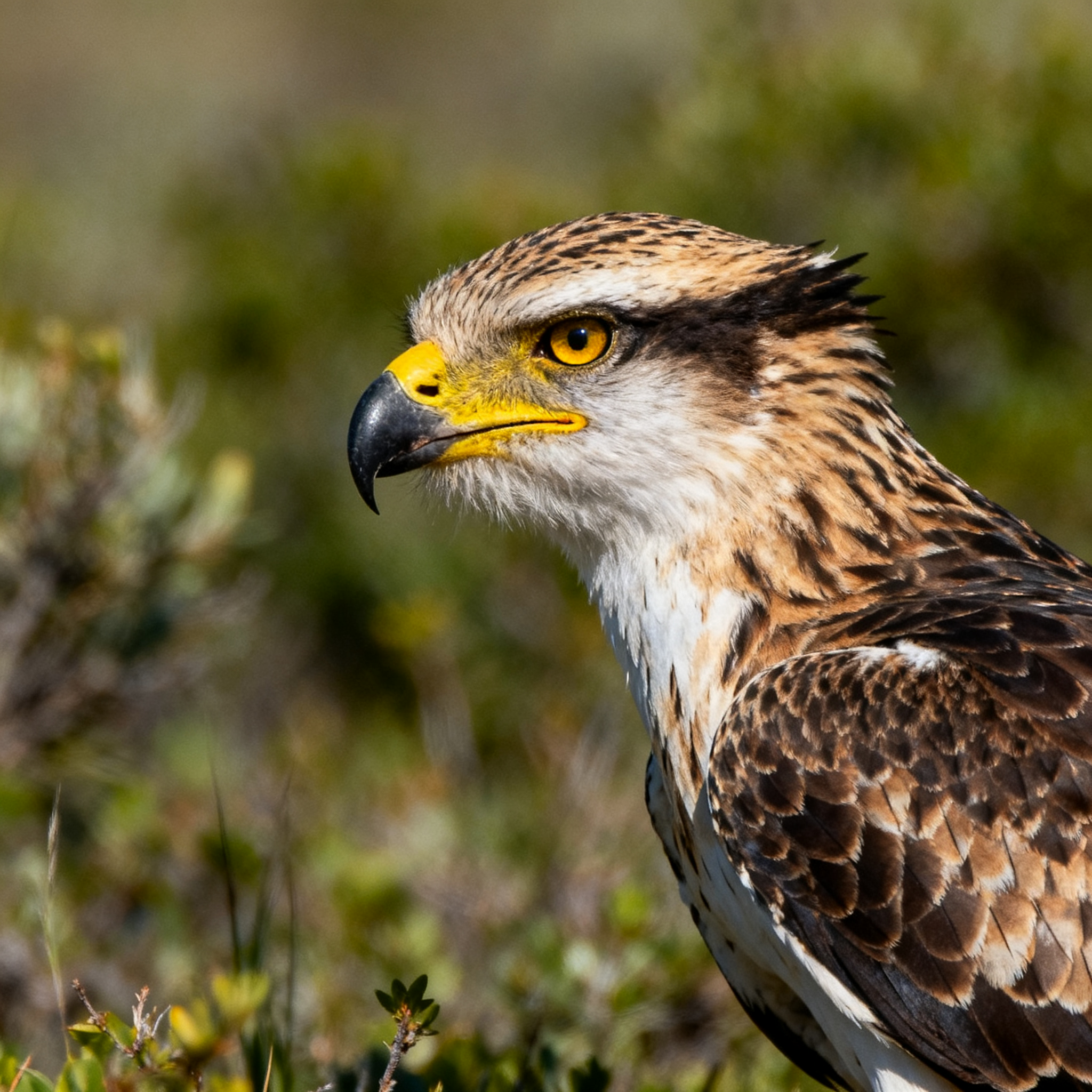
Wildlife photography represents one of photography’s most challenging yet rewarding genres. Whether you’re tracking elusive big cats in Africa or capturing songbirds in your backyard, success requires a unique combination of technical skill, patience, and understanding of animal behavior. This comprehensive guide will walk you through essential techniques, equipment recommendations, and field strategies to elevate your wildlife photography from amateur snapshots to professional-quality images.
Essential Equipment for Wildlife Photography
Camera Bodies: What You Really Need
The foundation of great wildlife photography starts with choosing the right camera body. While you don’t need the most expensive gear to create stunning images, certain features significantly impact your success rate in the field.
Key Features to Prioritize:
- High-resolution sensor for detailed crops and large prints
- Fast autofocus system with numerous focus points
- High ISO performance for early morning and late evening shoots
- Weather sealing for unpredictable outdoor conditions
- Good battery life for extended field sessions
The Sony A7 IV exemplifies these qualities perfectly. This full-frame mirrorless camera delivers exceptional image quality with its 33-megapixel sensor while maintaining impressive low-light performance up to ISO 12,800.
Sony A7 IV Key Specifications:
| Feature | Specification |
|---|---|
| Sensor | 33MP Full-Frame CMOS |
| ISO Range | 100-51,200 (expandable to 204,800) |
| Autofocus Points | 759 phase-detection points |
| Continuous Shooting | Up to 10 fps |
| Video | 4K 60p internal recording |
| Weather Sealing | Yes |
| Battery Life | 580 shots (LCD) / 520 shots (EVF) |
Lens Selection: Your Most Critical Decision
Your lens choice often matters more than your camera body in wildlife photography. The ability to fill your frame with distant subjects while maintaining sharp focus determines the difference between mediocre and spectacular results.
Telephoto Lens Recommendations:
- 70-200mm f/2.8: Perfect for larger animals and controlled environments
- 100-400mm f/4.5-5.6: Excellent versatile option for various wildlife
- 400mm f/2.8: Professional choice for serious wildlife photographers
- 600mm f/4: Ultimate reach for distant subjects
Crop Factor Advantage: If using APS-C cameras, remember the 1.5x crop factor effectively increases your focal length. A 400mm lens becomes equivalent to 600mm, providing extra reach at a lower cost.
Support Systems and Accessories
Tripods and Monopods: Long telephoto lenses demand stable support. Carbon fiber tripods offer the best strength-to-weight ratio, crucial for extended field sessions. For dynamic situations, monopods provide mobility while reducing camera shake.
Essential Accessories:
- Extra batteries (cold weather drains them quickly)
- High-speed memory cards (for burst shooting)
- Weather protection covers
- Comfortable camera strap or harness
- Lens cleaning supplies
Camera Settings for Wildlife Photography
Shooting Modes: When to Use What
Aperture Priority Mode (A/Av): Your go-to mode for most wildlife situations. This allows you to control depth of field while letting the camera select appropriate shutter speed.
- Large apertures (f/2.8-f/4): Isolate subjects with beautiful background blur
- Medium apertures (f/5.6-f/8): Balance subject sharpness with some background context
- Small apertures (f/11+): Rarely used unless you need everything in focus
Shutter Priority Mode (S/Tv): Essential for capturing action and movement.
- Fast shutter speeds (1/1000s+): Freeze flying birds or running animals
- Moderate speeds (1/250-1/500s): General wildlife movement
- Slower speeds (1/60-1/125s): Creative motion blur effects
Autofocus Configuration
Modern cameras offer sophisticated autofocus systems that can dramatically improve your success rate when properly configured.
Focus Mode Selection:
- Single-point AF: Precise control for stationary subjects
- Zone AF: Balance of precision and coverage for moderate movement
- Wide-area AF: Maximum coverage for unpredictable subjects
Continuous vs. Single AF:
- Continuous AF (AI Servo/AF-C): Essential for moving subjects
- Single AF (One Shot/AF-S): Better for stationary animals
Back-Button Focus Technique: Separate focus activation from the shutter button. This technique allows you to:
- Focus once and recompose without refocusing
- Quickly switch between continuous and single AF behaviors
- Maintain better control in challenging situations
ISO and Exposure Strategies
ISO Guidelines:
- Base ISO (100-200): Optimal image quality in good light
- ISO 400-800: Early morning or late evening photography
- ISO 1600-3200: Overcast conditions or dense forest
- ISO 6400+: Dawn, dusk, or nighttime photography
Exposure Compensation: Wildlife often requires exposure adjustments from the camera’s meter reading:
- Dark animals: Underexpose by 1/3 to 2/3 stops
- Light animals: Overexpose by 1/3 to 2/3 stops
- Snow scenes: Overexpose by 1-2 stops
- Backlit subjects: Use fill flash or exposure compensation
Field Techniques and Animal Behavior
Understanding Your Subjects
Successful wildlife photography starts long before you pick up your camera. Research your target species’ behavior patterns, feeding times, and seasonal movements. This knowledge allows you to anticipate photo opportunities rather than simply react to them.
Key Behavioral Insights:
- Golden hours: Most animals are active during sunrise and sunset
- Weather patterns: Overcast skies often increase animal activity
- Seasonal considerations: Migration, mating, and feeding seasons offer unique opportunities
- Habitat preferences: Understanding where animals feel comfortable improves encounter rates
Fieldcraft and Approach Techniques
The Art of Invisibility:
- Move slowly and deliberately: Sudden movements trigger flight responses
- Use natural cover: Position yourself behind trees, rocks, or vegetation
- Dress appropriately: Earth-tone clothing helps you blend into surroundings
- Control your scent: Wind direction affects how animals detect your presence
Distance and Respect: Maintain appropriate distances for both animal welfare and your safety. Use longer lenses rather than approaching too closely. This ethical approach also produces more natural behavior in your images.
Composition in Wildlife Photography
Rule of Thirds Application: Place your subject’s eye on intersection points of the rule of thirds grid. This creates more dynamic compositions than centering the subject.
Eye Contact and Direction:
- Sharp eyes are non-negotiable: Even slightly soft eyes ruin otherwise perfect images
- Leave space in the direction of gaze: If an animal looks left, compose with space on the left side
- Eye level perspective: Get down to your subject’s level for more engaging images
Background Considerations:
- Distance creates blur: Position yourself to maximize distance between subject and background
- Watch for distractions: Avoid branches “growing” from heads or busy background elements
- Use natural frames: Overhanging branches or rock formations can frame your subject
Advanced Techniques for Professional Results
Motion and Action Photography
Panning Technique: Follow moving subjects with your camera while using slower shutter speeds (1/60-1/125s). This creates sharp subjects against motion-blurred backgrounds, conveying speed and energy.
Predictive Focus: Learn to anticipate where fast-moving subjects will be. Pre-focus on a spot where you expect the animal to appear, then capture the moment they reach that position.
Burst Mode Strategy: Modern cameras can capture 10+ frames per second. However, don’t just hold the shutter down continuously. Learn to time short bursts during peak action moments to avoid filling your memory cards with mediocre images.
Lighting Mastery
Golden Hour Magic: The hour after sunrise and before sunset provides warm, soft light that flatters wildlife subjects. Plan your shooting schedule around these times for the most appealing results.
Overcast Advantage: Don’t pack up when clouds roll in. Overcast skies provide natural softbox lighting, eliminating harsh shadows and allowing you to shoot throughout the day.
Fill Flash Techniques: Use flash as fill light to brighten shadowed areas or add catchlights to eyes. Keep flash power low (-1 to -2 stops) to maintain natural appearance while adding subtle enhancement.
Post-Processing Considerations
Shoot in RAW Format: RAW files contain significantly more data than JPEGs, allowing greater flexibility in post-processing. This is particularly important for wildlife photography, where lighting conditions are often challenging.
Essential Adjustments:
- Exposure correction: Fine-tune brightness without losing detail
- Highlight/shadow recovery: Reveal details in bright and dark areas
- Noise reduction: Clean up high ISO images while preserving detail
- Sharpening: Enhance details without creating artificial-looking results
Specialized Wildlife Photography Scenarios
Bird Photography
Birds present unique challenges requiring specific techniques and patience.
Flight Photography:
- Use continuous autofocus with multiple focus points
- Start with shutter speeds of 1/2000s or faster
- Track birds before they enter your frame
- Shoot in burst mode during critical moments
Perched Bird Techniques:
- Focus on the nearest eye when shooting at an angle
- Use wider apertures (f/2.8-f/4) for background separation
- Be patient – birds often return to favorite perches
Large Mammal Photography
Safari Photography:
- Shoot from vehicles when possible for stability and safety
- Use bean bags or window mounts for support
- Focus on behavior and interaction between animals
- Capture environmental context along with close-ups
Backyard Wildlife:
- Set up feeding stations to attract subjects
- Use blinds or shoot from indoor windows
- Learn individual animal schedules and preferences
- Practice ethical wildlife feeding guidelines
Macro Wildlife Photography
Insect and Small Creature Techniques:
- Use ring lights or twin flash systems for even illumination
- Focus stack multiple images for maximum depth of field
- Shoot during cooler morning hours when insects move slowly
- Use live view and magnification for precise focusing
Ethical Wildlife Photography Practices
Respect and Responsibility
Wildlife photography carries inherent responsibilities to both animal subjects and fellow photographers. Follow these ethical guidelines:
The Wildlife’s Welfare Comes First:
- Never disturb nests or dens for photographs
- Avoid using playback sounds excessively to attract birds
- Don’t use bait that could harm animals or alter natural behaviors
- Respect protected areas and seasonal restrictions
Leave No Trace:
- Pack out all trash and equipment
- Stay on designated trails when possible
- Don’t damage vegetation for clearer shots
- Share location information responsibly to prevent overcrowding
Building Long-term Success
Patience Pays Dividends: Great wildlife photography requires significant time investment. Build relationships with locations and return repeatedly. Local knowledge and familiarity with individual animals often produces the best results.
Continuous Learning:
- Study animal behavior through books, documentaries, and field guides
- Connect with local naturalists and wildlife experts
- Join photography groups and workshops
- Practice regularly to improve technical skills
Troubleshooting Common Challenges
Technical Problem Solving
Autofocus Struggles:
- Switch to single-point AF for precise control
- Increase ISO to provide more light for focus sensors
- Use AF assist beam in low light
- Manual focus for backlit situations
Motion Blur Issues:
- Increase shutter speed (rule of thumb: 1/focal length minimum)
- Improve camera support with tripods or monopods
- Use image stabilization when available
- Check for proper shutter button technique
Exposure Difficulties:
- Use spot metering for tricky lighting
- Bracket exposures in challenging conditions
- Understand your camera’s metering patterns
- Learn to read histograms for accurate exposure assessment
Seasonal Considerations and Planning
Spring Wildlife Photography
Spring offers incredible opportunities as animals emerge from winter dormancy and begin breeding behaviors.
- Bird migration: Peak activity periods for diverse species
- Breeding displays: Colorful plumage and interesting behaviors
- New offspring: Young animals learning survival skills
- Flower and fauna: Opportunities to combine wildlife with beautiful spring landscapes
Summer Strategies
- Early morning sessions: Beat the heat and catch active wildlife
- Water sources: Animals concentrate around available water
- Long daylight hours: Extended shooting opportunities
- Insect abundance: Perfect time for macro wildlife photography
Autumn Excellence
- Migration patterns: Second major bird migration period
- Rutting season: Dramatic large mammal behaviors
- Color combinations: Wildlife against beautiful fall foliage
- Preparation behaviors: Animals gathering food for winter
Winter Challenges and Rewards
- Simplified compositions: Snow creates clean, minimalist backgrounds
- Contrast opportunities: Dark animals against white snow
- Battery management: Cold weather significantly reduces battery life
- Condensation concerns: Temperature changes can fog lenses
Building Your Wildlife Photography Skills
Practice Opportunities
Local Wildlife: Start in your own backyard or local parks. Urban wildlife often provides excellent practice opportunities without extensive travel requirements.
Photography Workshops: Consider joining specialized wildlife photography workshops. These provide expert guidance, prime locations, and opportunities to learn from experienced photographers.
Photo Challenges: Set personal challenges like “photograph 50 different bird species” or “capture 10 different animal behaviors.” These goals focus your efforts and accelerate skill development.
Equipment Evolution
Start with basic equipment and upgrade gradually as your skills and interests develop. Understanding what limitations you’re actually experiencing helps guide smart purchasing decisions.
Budget-Conscious Approach:
- Begin with kit lenses or affordable telephoto options
- Rent expensive lenses for special trips
- Buy used equipment from reputable dealers
- Focus on technique development over gear acquisition
Conclusion and Recommendations
Wildlife photography demands a unique combination of technical skill, artistic vision, patience, and respect for nature. Success comes from understanding your equipment, studying animal behavior, and spending significant time in the field developing both photographic and naturalist skills.
Key Takeaways for Immediate Improvement:
- Master your autofocus system – This single skill will dramatically improve your success rate
- Learn animal behavior patterns – Anticipation beats reaction every time
- Practice ethical photography – Respect for wildlife ensures opportunities for future generations
- Start locally – Develop skills close to home before expensive destination trips
- Invest in quality telephoto lenses – These make the biggest difference in wildlife photography results
The Sony A7 IV represents an excellent foundation for serious wildlife photographers, offering professional features in a weather-sealed, relatively compact body. Combined with appropriate telephoto lenses and the techniques outlined in this guide, it provides everything needed to capture stunning wildlife images.
Remember that great wildlife photography is a journey rather than a destination. Every outing teaches valuable lessons about animal behavior, lighting conditions, or technical challenges. Embrace the learning process, respect your subjects, and maintain the patience required for truly exceptional results. The reward – capturing fleeting moments of natural behavior and sharing the beauty of wildlife with others – makes every early morning and patient hour worthwhile.
Whether you’re photographing backyard birds or embarking on African safari adventures, these fundamental techniques and principles will serve as your foundation for creating compelling wildlife images that tell the remarkable stories of our natural world.
Related Tags
Looking for the Best Camera Deals?
Check out our latest buying guides and comparison articles to find the perfect camera for your needs.
Browse Buying Guides